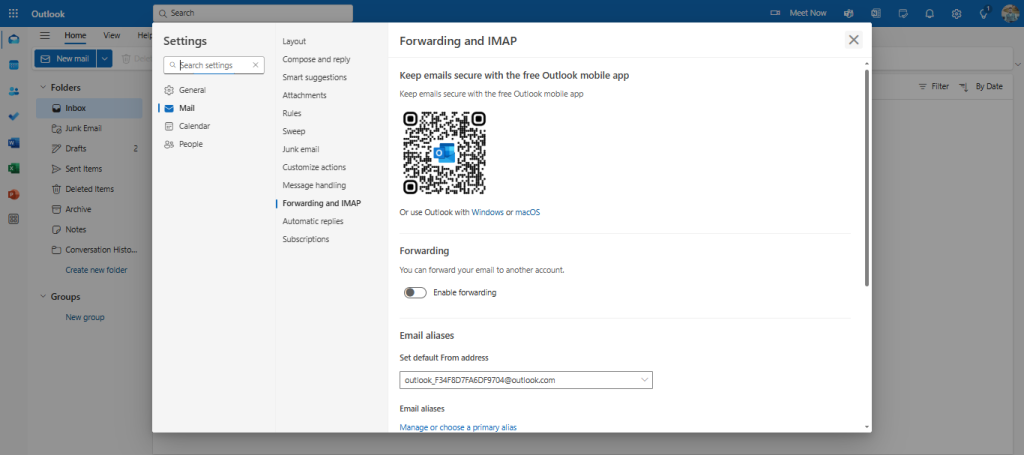

Key takeaways:
- Email aliases let you have multiple addresses that all send to one inbox for easy organization.
- Google allows unlimited ‘+’ aliases, Outlook offers up to 10 aliases, and Apple supports up to 3 aliases.
- Use aliases for departments like sales@, support@, and hr@ to direct emails efficiently in businesses.
- Avoid using aliases for cold outreach; real personal emails improve reply rates and avoid spam filters.
- Aliases can automate workflows by linking to ticket systems or accounting, saving time and reducing errors.
Have you ever needed multiple email addresses for your email campaigns? Here’s the thing—you don’t have to create multiple email accounts. Yey, I was also today’s years old when I found out.
That’s where email aliases come in handy.
Taking into account the frequency and complexity of email communication increases, there is a growing demand to manage all the boxes more efficiently. Email allies can do that all by providing even more privacy and organization.
But what makes email allies so convenient? Why not create a new account instead?
In this article, you’ll find the answers and a lot more on what email aliases are and how to take the most out of them.
Let’s get a heated discussion!
What is an email alias?
Okay, picture this: you’ve got your main email address, right? Now imagine you could create different versions of it without setting up entirely new accounts. That’s basically what an email alias is!
It’s like having multiple doors to the same room. Each alias directs emails to your primary inbox, but they look like separate addresses to the outside world. Cool, huh?
For example, if your main email is [email protected], you could create aliases like:
See the patterns? Same room, but a different door!
Different types of email aliases
Remember when we said email aliases are like different doors to the same room? Well, grab your hard hat because we’re about to tour three unique entryways to your email kingdom!