
Deals stall for all kinds of reasons, and the most common one is embarrassingly simple: somebody meant to follow up and never got around to it. Woodpecker’s analysis of over 20 million cold emails found that 42% of all replies come from follow-up steps, while 48% of reps send nothing at all once their first email goes unanswered.
Automating the send takes care of that much, but the harder problem in 2026 is working out what the next touch should be for each individual prospect and when, and that’s where most systems still fall short.
In this article, we’ll break the follow-up system into its two key layers, help you choose between them, and walk through the six steps to build one.
What is an automated follow up system?
An automated follow-up system is software that watches what a prospect does (and doesn’t do) after your first touch, then sends the right next message, on the right channel, at the right time, without anyone having to remember.
That last part is where most definitions stop, and it’s why so many teams end up disappointed with what they bought.
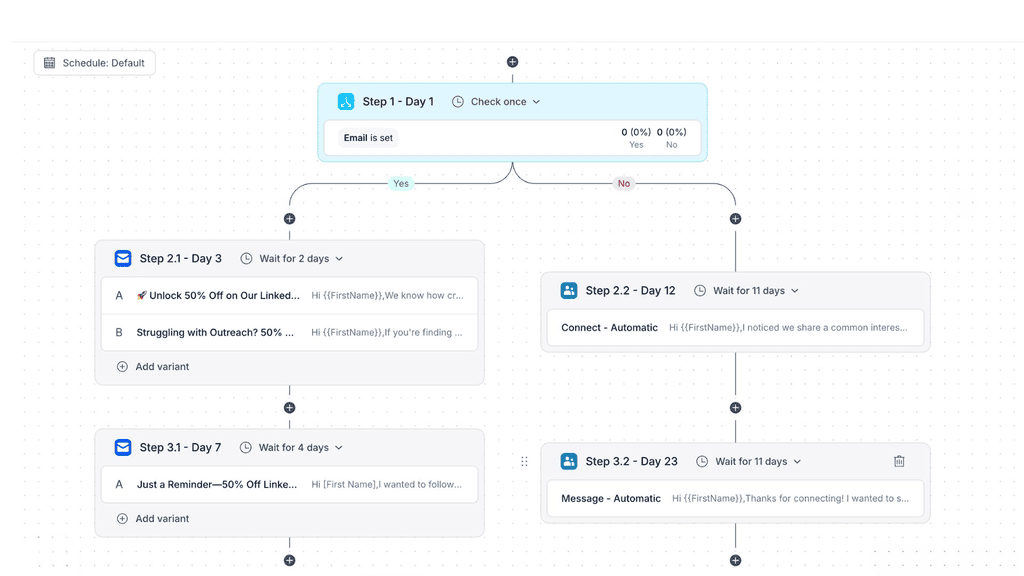
Plain email automation *schedules*. You write four emails, set them three days apart, and they go out on a timer whether the prospect ignored the first one, clicked your pricing page twice, or accepted your LinkedIn request that morning.
An automated follow-up system *reacts*. It reads engagement, pauses the second someone replies, and switches paths when the signal or behavior changes.
Which means every follow-up system really has two layers:
- The execution layer → whether the touch goes out, on time, to the right person, without a rep in the loop.
- The decision layer → what that touch should be. The channel, the angle, and the moment.
The execution layer is solved, since virtually every tool on the market handles it. The decision layer is where results now live, and it’s why two teams running near-identical sequences end up with wildly different numbers. If you want the practical version of this, we’ve covered specific AI-driven follow-up methods separately.
Why automated follow-ups stopped being enough
Because by 2026 everyone has them, including the several other vendors emailing your prospect this week.
The platform-wide cold email reply rate has fallen from 5.1% in 2024 to 3.43% in 2026, according to Instantly’s benchmark report. The causes are inbox saturation, tighter Gmail and Outlook enforcement, and a flood of low-effort AI-generated outreach. Automated follow-ups have become the entry fee for competing at all.
The gap between average and elite, though, has never been wider. Campaigns run as an actual system still land in the 10-18% range, on the same tools and the same channels as everyone else.
Gartner puts a sharp point on it, concluding that by 2028, AI agents will outnumber human sellers by ten to one, yet fewer than 40% of sellers will say those agents improved their productivity. Simply “more” automation buys you more digital activity, but not much more pipeline.
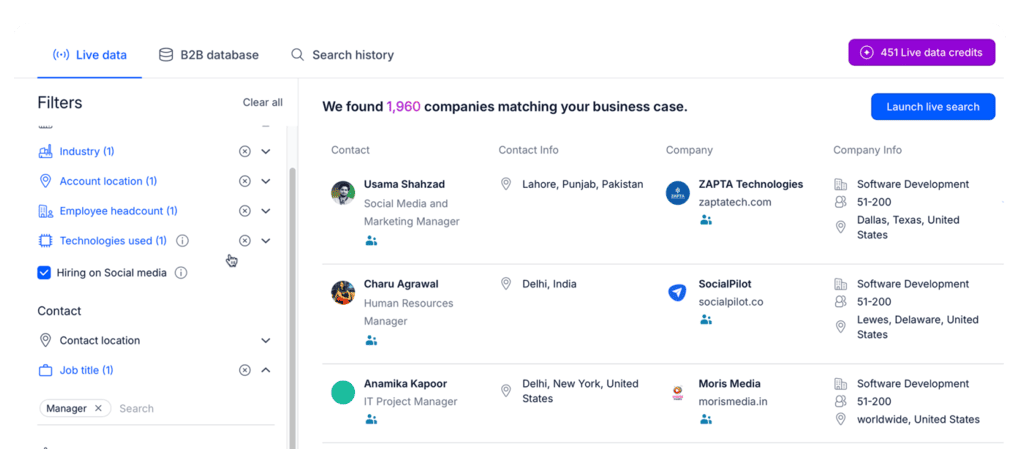
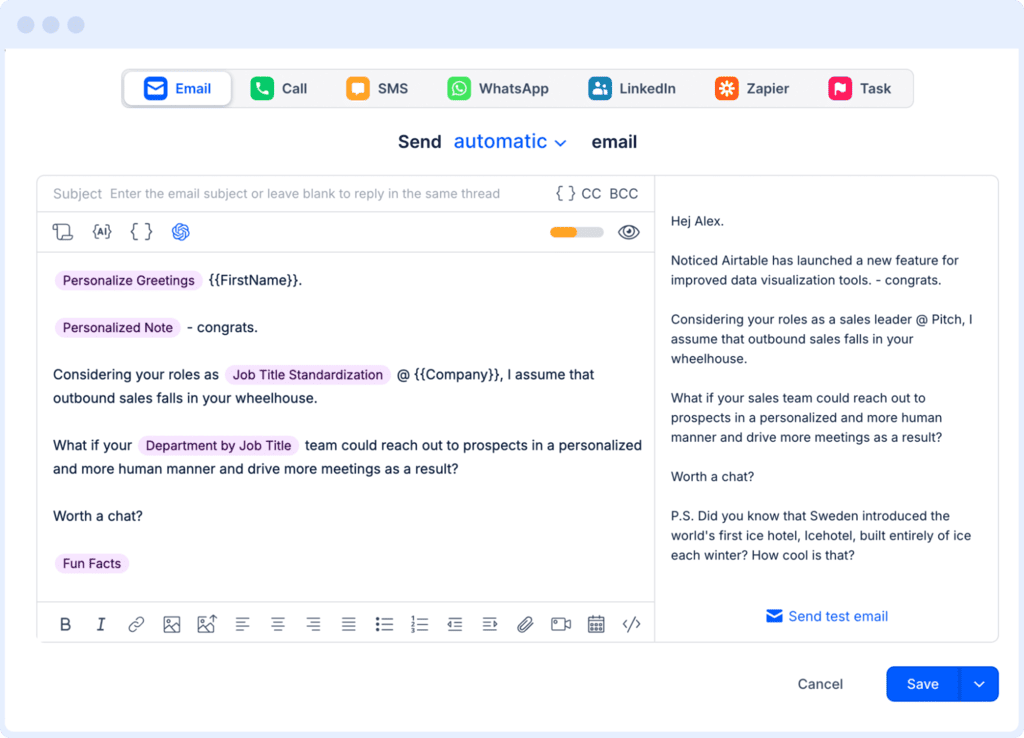
What separates the two groups is interpretation. The systems that actually perform well read previous interactions, enriched contact and company data, and live intent signals before they act, and only then decide the angle, the channel, and the moment for each specific person rather than for an entire segment, and they do it across thousands of leads at once.
That’s the whole job in 2026, and there are two very different ways to buy it.