
The Best 11 Agency Management Software in 2026 to Book More Meetings

The Best 11 Agency Management Software in 2026 to Book More Meetings

The Best 11 Agency Management Software in 2026 to Book More Meetings

Agency growth depends on more than project delivery. Before a client ever signs, there’s prospecting, outreach, follow-ups, scheduling, pipeline tracking, and handoff after the first call.

That’s where the right agency management software makes a measurable difference. Some tools help manage projects and client work. Others are built to create pipeline, book meetings, and keep sales activity organized before the deal closes.

This guide compares 11 agency management tools by use case, pricing, and core features, so you can choose the platform that fits how your agency actually wins and manages clients.

TL;DR: agency management software quick comparison

Here’s a quick comparison of the best agency management software, including what each tool is best for, who it fits, and how much it costs.

Software Best for Key features Meeting booking value Starting price
Reply.io Outbound sales agencies Lead database, multichannel outreach, AI personalization, deliverability Finds prospects, runs outreach, and books qualified meetings $210/mo
Calendly Website lead booking Booking pages, routing forms, calendar sync, and reminders Lets inbound prospects book meetings after showing interest $10/seat/mo annually
Productive Sales-to-delivery workflows Sales, resourcing, projects, budgets, time tracking, and invoicing Shows whether new meetings can turn into profitable work $10/user/mo annually
Accelo Retainer-based agencies Retainers, quotes, tickets, time logging, billing, and client portal Tracks recurring client work after sales conversations Custom pricing
Scoro Revenue operations Quotes, budgets, utilization, dashboards, forecasting, and invoices Connects meetings, projects, and profitability $19.90/user/mo annually
Zoho Bookings + Zoho CRM Zoho-based agencies Scheduling, CRM, reminders, lead records, and workflow rules Adds booking and CRM tracking for Zoho users $6/user/mo annually
Asana Campaign delivery Projects, timelines, forms, approvals, dashboards, and automations Turns meeting notes into campaign tasks $10.99/user/mo annually
HubSpot CRM CRM-led agencies Contacts, deals, email tracking, forms, tasks, and meeting links Tracks leads before and after booked calls $10/seat/mo
Chili Piper Inbound demo requests Form routing, instant booking, lead distribution, and meeting analytics Routes high-intent inbound leads to the right calendar $1,250/mo
Keap Automated lead nurture CRM, email marketing, SMS, appointments, automation, and payments Moves warm leads toward booked calls $299/mo
ClickUp Task-driven agencies Tasks, docs, dashboards, automations, forms, and views Turns client meetings into assigned work $7/user/mo

How did we select the best agency management software?

We chose the tools in this roundup based on how well they help agencies generate pipeline, book meetings, manage clients, and keep work organized after the handoff.

Here’s what we focused on:

  • Meeting booking and scheduling → we prioritized tools that help move prospects from interest to a booked call through scheduling links, routing, reminders, calendar sync, or automated follow-ups.

  • Prospecting and outreach → we looked for platforms that help agencies find leads, send messages, track replies, and follow up consistently, since new business depends on more than task management.

  • CRM and pipeline visibility → we checked how each tool tracks contacts, deals, sales stages, notes, and handoffs, so booked meetings don’t lose context once they enter the pipeline.

  • Client and project management → we considered how well each platform stores client details, communication history, proposals, contracts, tasks, timelines, and ownership after a deal moves forward.

  • Reporting and revenue tracking → we reviewed each tool’s ability to report on booked calls, conversion rates, pipeline value, project costs, and client profitability.

  • Pricing and scalability → we compared pricing, user limits, plan restrictions, and upgrade paths to make sure each tool can support agency growth without creating unnecessary cost.

Best agency management tools in 2026 to book more meetings

Now let’s look at the specific agency management tools, what each one does best, and where it fits in the agency workflow.
Reply.io: best for outbound sales agencies

Reply.io gives agencies the outbound infrastructure to go from target accounts to booked meetings without stitching together data sources, outreach, deliverability tools, and analytics.

It focuses on finding targeted prospects, enriching and validating their data, reaching them across email, LinkedIn, calls, and more, personalizing outreach with AI, managing replies, protecting deliverability, and booking qualified meetings.

You can build targeted lists with Reply’s native lead database containing over 1 billion live contacts and accounts, verify emails before outreach, use intent signals for better timing, and personalize all emails and LinkedIn messages with AI based on prospect or company data.

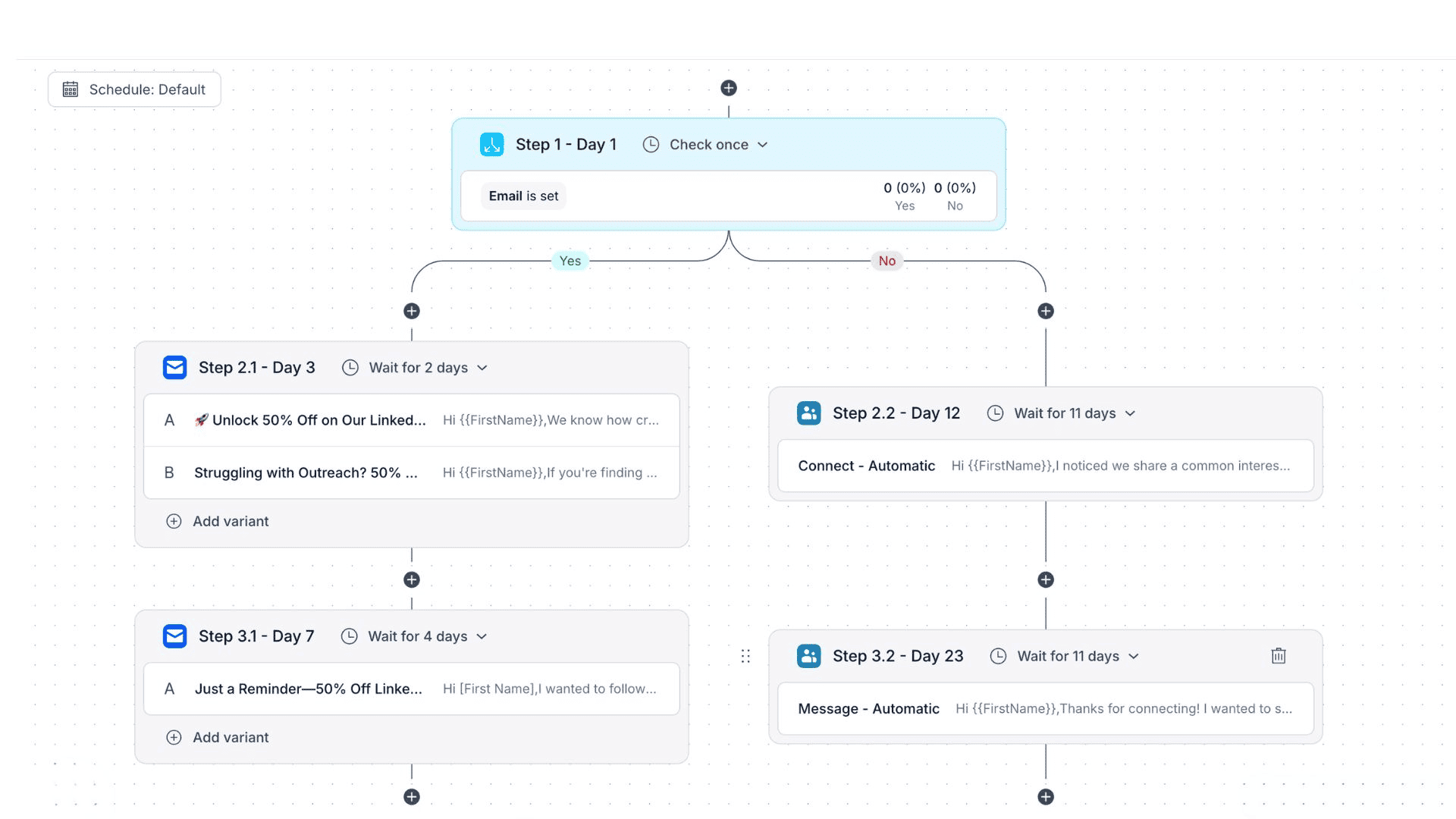
Reply also supports multichannel sequences across email, LinkedIn, calls, SMS, WhatsApp, and Zapier steps, so agencies aren’t limited to one channel when trying to reach potential buyers. 

Website visitor tracking also helps identify companies already showing interest, while its numerous deliverability tools work in the background to help protect inbox placement across client campaigns.

how to auto send emails to a folder in gmail with conditional sequences

Jason AI is Reply’s AI sales agent that runs on this entire infrastructure and handles the actual execution. It learns everything about your client’s product, strategy, and audience, helps build the ICP, and then starts finding relevant leads, launching outreach, and even handling replies and booking meetings on your behalf. 

For sales and lead generation agencies, this directly connects daily campaign work to revenue impact

Key features

  • Reply Data: 1B+ contacts and companies for targeted lead generation 
  • Data enrichment and validation: Cleaner lists, more context, and fewer bounces
  • Intent signals: Better timing and prioritization for outbound campaigns
  • Findy Chrome extension: Verified contacts from LinkedIn and Sales Navigator
  • Multichannel sequences: Email, LinkedIn, calls, SMS, WhatsApp, and Zapier
  • AI Variables: Personalized openers, value props, CTAs, and follow-ups
  • Website visitor tracking: Turns site traffic into outbound opportunities
  • Deliverability: Warmup, spam monitoring, SPF, DKIM, DMARC, and sending limits
  • Jason AI: Prospecting, personalization, reply handling, and meeting booking

Pricing

Reply.io individual plans start at $49/month. Agency plans start at $210/month. Jason AI starts at $500/month (and joins your team as a full-time AI sales rep!) 

Calendly: best for website lead booking

Calendly is a strong fit for agencies that already get website traffic, referrals, or inbound demo requests and need a cleaner way to turn that interest into booked calls.

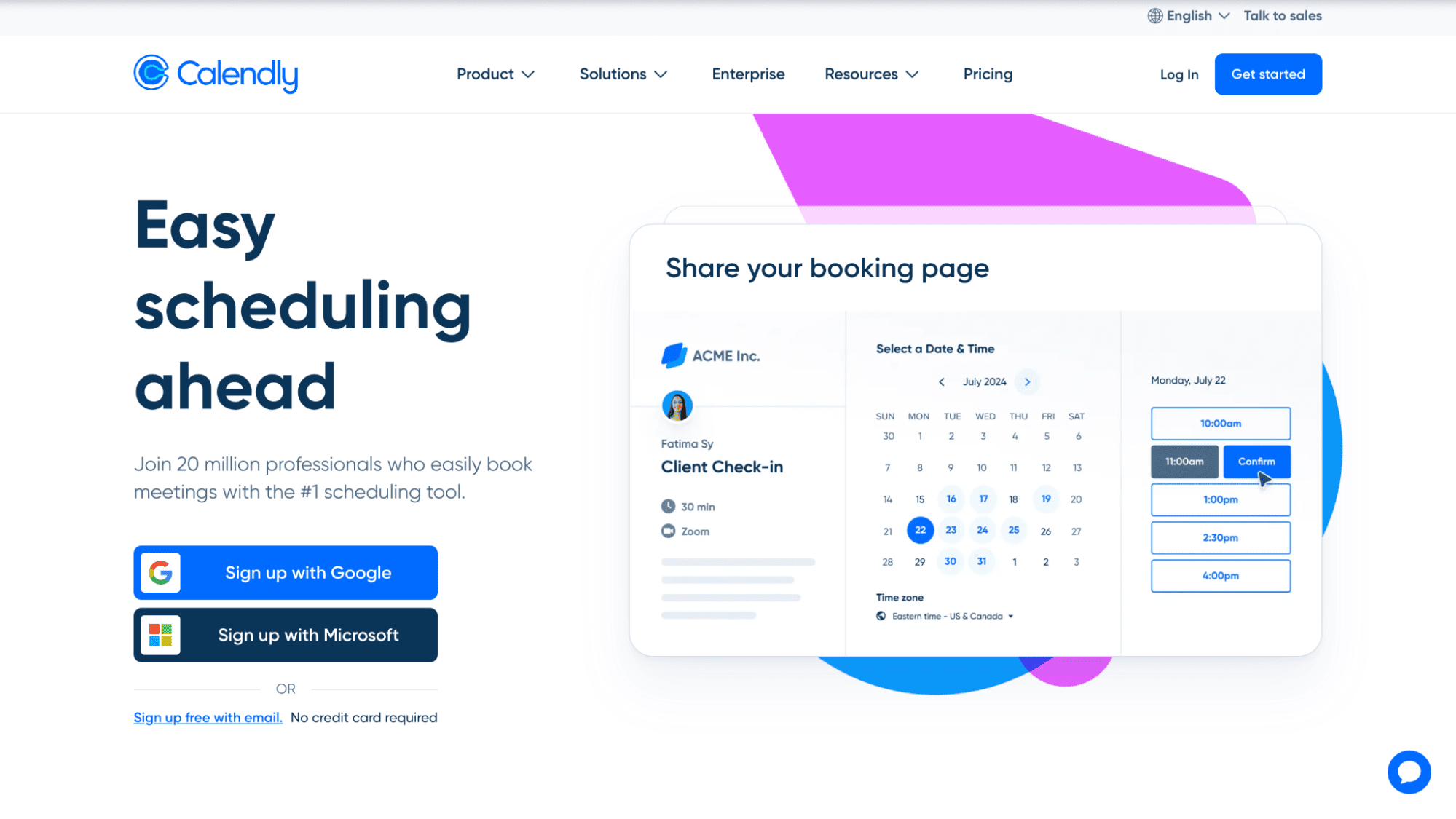
Calendly, probably the best ai scheduling assistant

Prospects can choose an available time, answer routing questions, and book without back-and-forth emails. For agencies with several consultants or sales reps, round-robin scheduling helps distribute meetings fairly, while Routing Forms can qualify visitors by company size, industry, need, or account ownership before they reach the right calendar.

Calendly works best when demand already exists. It helps convert website visitors and warm referrals into meetings, but it won’t build prospect lists, enrich contacts, or run outbound sequences.

Key features

  • Routing Forms: Qualifies visitors before booking.
  • Round-robin scheduling: Distributes meetings across reps.
  • Calendar sync: Connects Google, Outlook, and Microsoft calendars.
  • Reminders: Sends automated email and SMS prompts.
  • CRM routing: Matches known leads to account owners.

Pricing

Calendly Standard starts at $10/seat/month, billed annually. Teams starts at $16/seat/month, billed annually. Enterprise starts at $15,000/year.

Productive: best for sales-to-delivery workflows

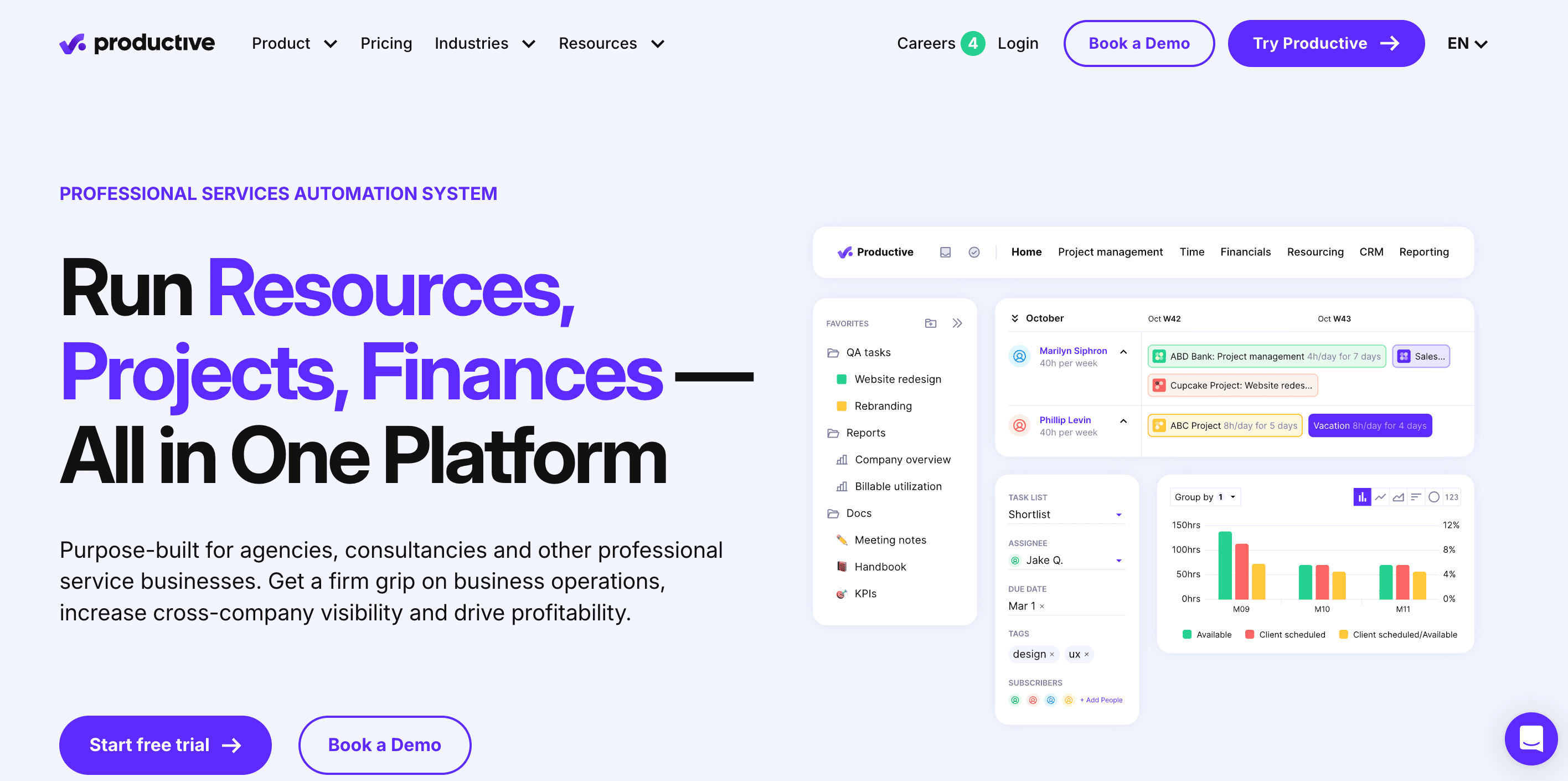
Productive is a good fit for agencies that need one system for sales, resourcing, projects, budgets, time tracking, invoicing, and profitability reporting.

It becomes useful once a discovery call turns into a proposal, scope, retainer, or project. Sales teams can track opportunities, while operations teams plan capacity, assign work, monitor budgets, and review margins after the client moves forward.

Productive is especially helpful for agencies that want to understand whether they have the capacity and margin to take on new work before committing to it. It’s less relevant for creating net-new conversations, since outbound prospecting, AI-led outreach, and email infrastructure are not the core use case.

Key features

  • Sales CRM: Tracks opportunities and proposals.
  • Resource planning: Matches work to team capacity.
  • Time tracking: Logs billable and non-billable hours.
  • Budgeting: Monitors project margins.
  • Invoicing: Turns tracked work into invoices.
  • Reporting: Reviews utilization, revenue, and profitability.

Pricing

Productive starts at $10/user/month for Essential, billed annually. Professional costs $25/user/month, and Ultimate costs $33/user/month, billed annually.

Accelo: best for retainer-based agencies

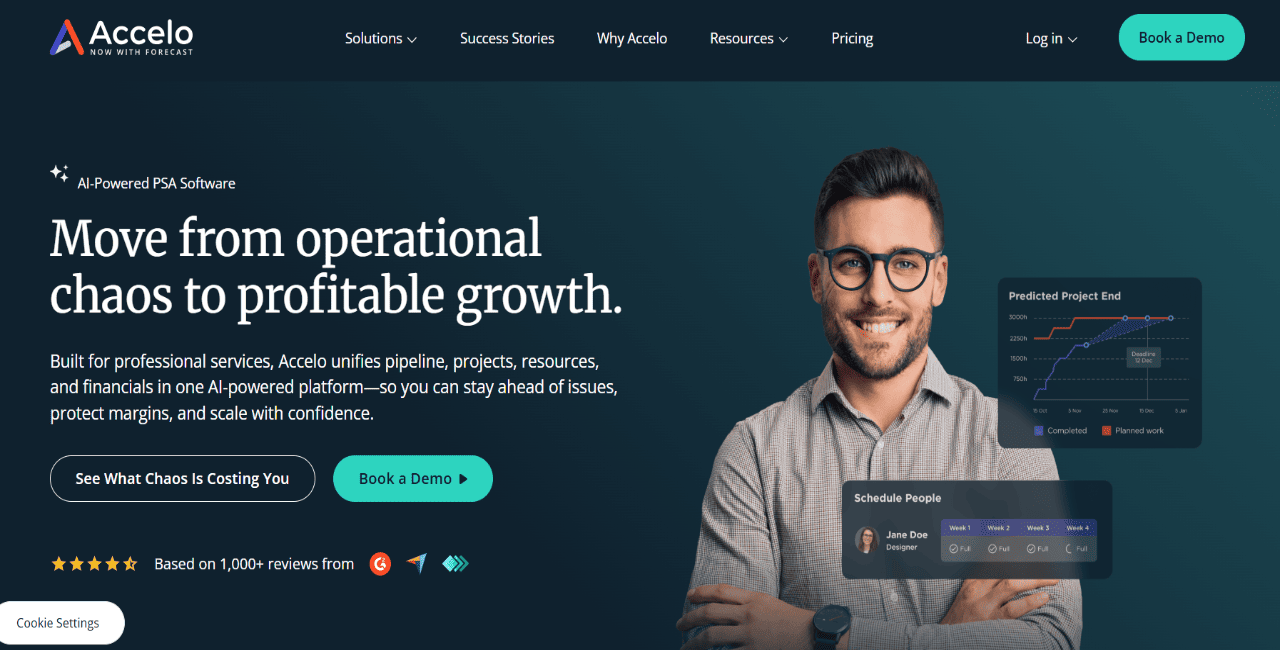
Accelo is built for agencies that manage ongoing client work, especially retainers with recurring hours, ad hoc requests, approvals, tickets, renewals, and billing.

It helps account managers track prospects, quotes, projects, retainers, time, and invoices from the first sales conversation through ongoing delivery. For monthly service agencies, that visibility helps show whether a new client or meeting can turn into profitable long-term work.

Accelo fits service operations more than demand generation. It’s useful for managing the client lifecycle after work begins, but it isn’t designed as a prospecting database, AI outreach platform, or outbound meeting engine.

Key features

  • Retainer tracking: Monitors recurring budgets and work.
  • Quotes: Turns opportunities into service proposals.
  • Ticketing: Tracks client requests.
  • Time logging: Records billable activity.
  • Billing: Creates invoices from approved work.
  • Client portal: Gives clients access to updates.

Pricing

Accelo does not publish standard pricing publicly, so agencies need to request a quote from sales.

Scoro: best for revenue operations

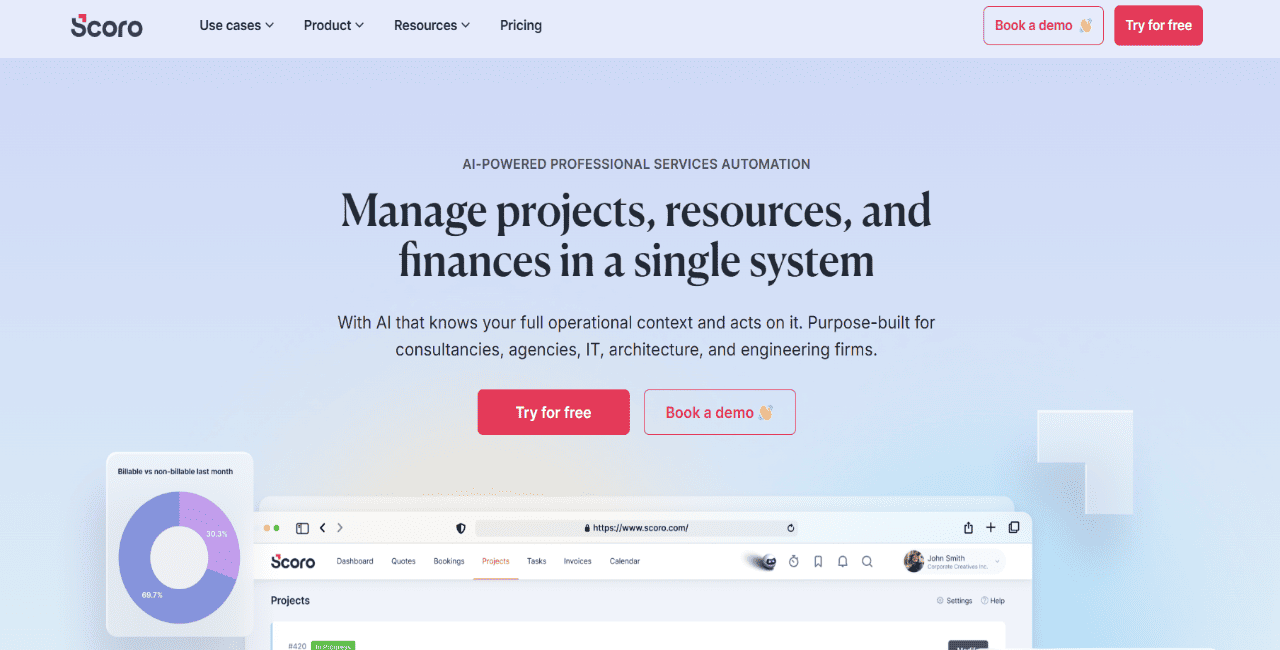
Scoro works well for agencies that book meetings but struggle to connect sales activity, project delivery, and financial performance.

The platform brings quotes, projects, tasks, calendars, invoices, dashboards, and reports into one system. Its budgeting, utilization, and forecasting tools help agencies see whether new client work is profitable before the sales process moves too far.

Scoro is best for agencies with several departments, active client projects, and complex reporting needs. It’s more of an operational control center than an outbound tool, so it makes the most sense when pipeline generation is handled separately.

Key features

  • Quotes: Creates estimates before kickoff.
  • Project budgets: Tracks planned vs. actual costs.
  • Utilization reports: Reviews billable workload.
  • Dashboards: Connects sales, work, and finance data.
  • Forecasting: Projects capacity and revenue.
  • Invoices: Bills clients for approved work.

Pricing

Scoro Core starts at $19.90/user/month, billed annually. Growth costs $32.90/user/month, and Performance costs $49.90/user/month, billed annually. Scoro requires a minimum of five seats.

Zoho Bookings + Zoho CRM: best for Zoho-based agencies

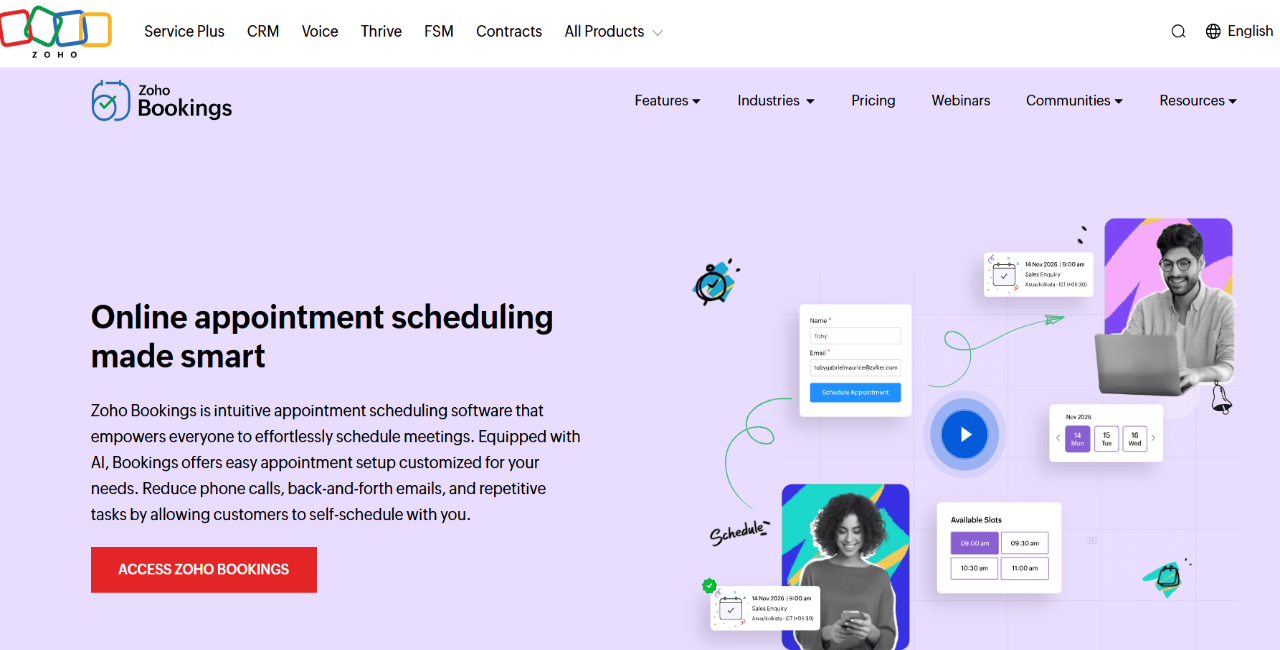
Zoho Bookings and Zoho CRM make sense for agencies already using Zoho for email, finance, forms, reporting, or internal operations.

Zoho Bookings handles scheduling through booking pages, calendar sync, reminders, and staff availability. Zoho CRM gives the sales team a place to manage leads, deals, notes, activities, and follow-ups after the meeting is booked.

The combination is practical for smaller agencies that want a low-cost scheduling and CRM setup inside the Zoho ecosystem. It works best when prospects are already coming from inbound, referrals, ads, or existing campaigns, rather than when the agency needs a dedicated outbound engine.

Key features

  • Booking pages: Lets prospects schedule calls.
  • Calendar sync: Connects Zoho, Google, and Microsoft calendars.
  • Lead records: Stores contacts, deals, and activities.
  • Workflow rules: Automates reminders and follow-ups.
  • CRM reports: Tracks pipeline movement.
  • Zoho app links: Connects with the wider Zoho suite.

Pricing

Zoho Bookings starts at $6/user/month, billed annually, with Premium at $9/user/month. Zoho CRM paid plans start at $14/user/month, billed annually.

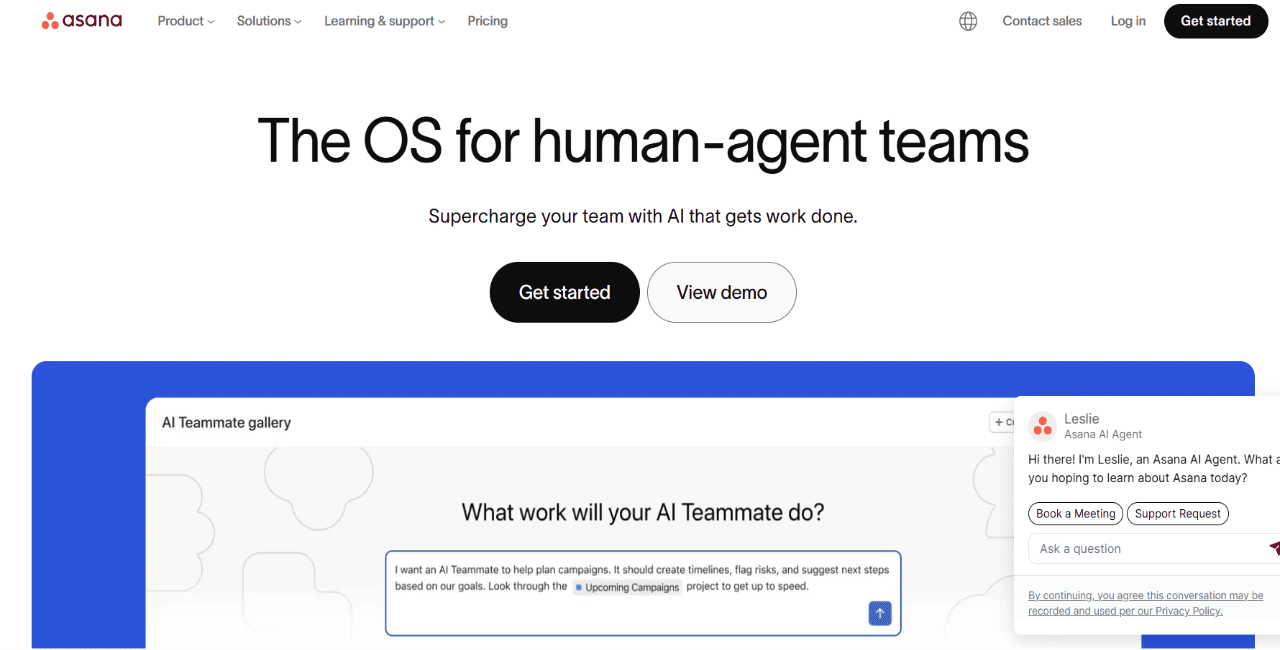
Asana: best for campaign management

Asana is a strong fit for agencies that need to turn client meetings into organized delivery work.

After a sales call, agency work usually becomes briefs, tasks, owners, timelines, approvals, assets, and client feedback. Asana helps project managers structure that work, assign deadlines, route approvals, and track progress across creative, content, paid media, and client service teams.

It’s also useful when prospects ask how your agency manages delivery after kickoff, since you can show a repeatable workflow instead of relying on scattered docs and status updates. Asana is primarily a work management platform, so it supports execution more than prospecting or outbound meeting creation.

Key features

  • Projects: Organizes client and campaign work.
  • Timeline: Maps tasks against deadlines.
  • Forms: Collects briefs and requests.
  • Approvals: Reviews assets before launch.
  • Dashboards: Tracks project progress.
  • Automations: Moves tasks through stages.

Pricing

Asana Starter costs $10.99/user/month, billed annually. Advanced costs $24.99/user/month, billed annually. Enterprise pricing is custom.

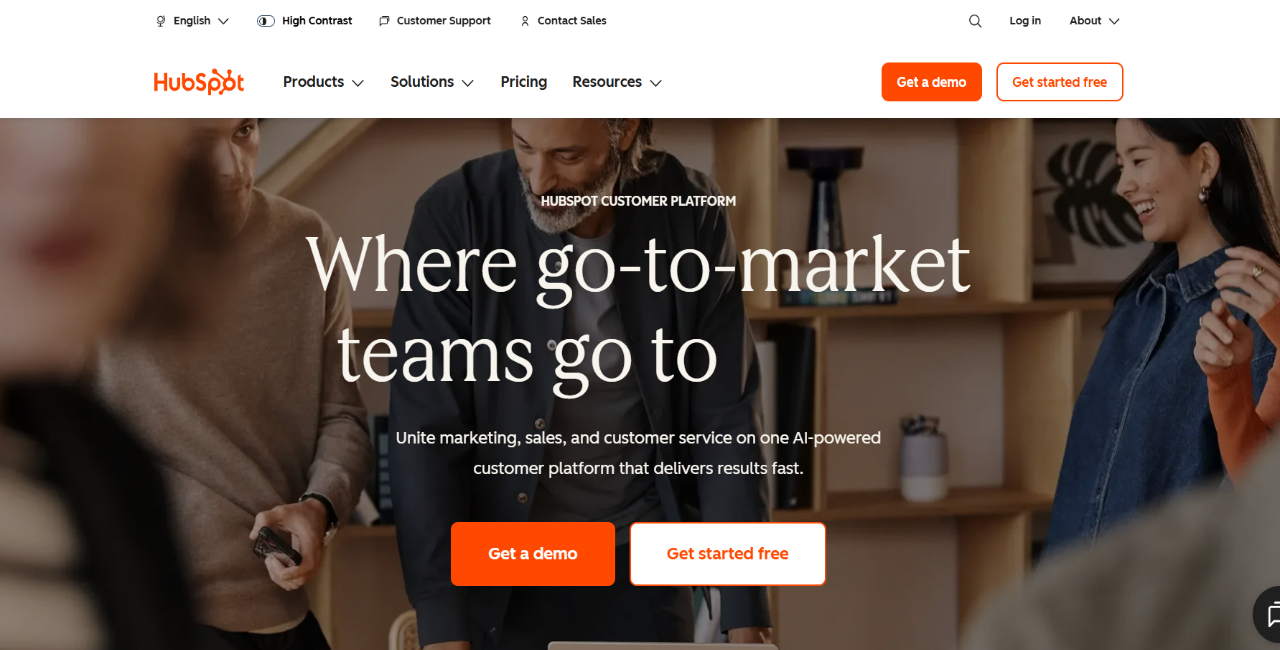
HubSpot CRM: best for CRM-led agencies

HubSpot CRM is a good fit for agencies that need a central system for lead records, emails, notes, tasks, follow-ups, and pipeline activity.

It helps teams manage contacts, companies, deals, meeting links, forms, and sales activity in one place. Agencies that generate leads through forms, referrals, ads, webinars, or partner introductions can use HubSpot to track source, owner, stage, next steps, and post-meeting follow-up.

HubSpot also works well for agencies that want CRM, marketing, sales, and service tools in the same ecosystem. Its strength is pipeline and customer management, while dedicated outbound prospecting and AI-led meeting creation usually require a more specialized setup.

Key features

  • Contact records: Stores lead and client details.
  • Deal pipelines: Tracks opportunities by stage.
  • Meeting scheduler: Lets prospects book times.
  • Email tracking: Shows sales engagement activity.
  • Task queues: Organizes rep follow-ups.
  • Forms: Turns website interest into CRM records.

Pricing

HubSpot Sales Hub Starter is currently listed from $10/seat/month on HubSpot’s product page. HubSpot’s 2026 Sales Hub pricing guide lists Starter at $9/seat/month and Professional at $90/seat/month with annual billing, while current promotional pricing may differ by offer and region.

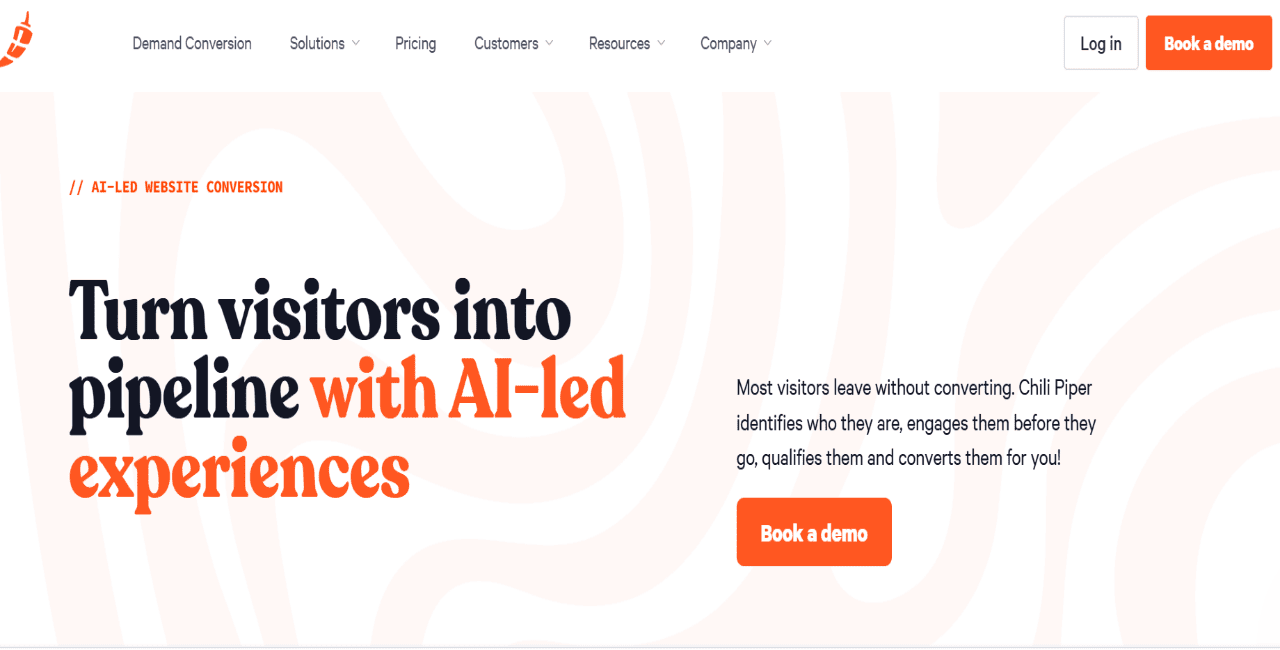
Chili Piper: best for inbound demo requests

Chili Piper is a good fit for inbound-heavy agencies that need faster routing and booking for high-intent form fills.

It can qualify prospects from web forms, route them based on rules, assign meetings with round-robin logic, and let qualified visitors book right away. For agencies with steady demo requests, this reduces manual coordination between marketing, sales reps, and account owners.

Chili Piper is especially useful when speed-to-lead matters and every qualified form fill needs to reach the right calendar quickly. It works from existing inbound demand, so agencies still need a separate motion for sourcing cold prospects and creating outbound conversations.

Key features

  • Form routing: Sends leads to the right owner.
  • Instant booking: Lets qualified visitors schedule.
  • Round-robin rules: Shares meetings across reps.
  • Lead distribution: Assigns by territory or account.
  • Handoff: Moves meetings between owners.
  • Meeting analytics: Reviews routing and booking performance.

Pricing

Chili Piper’s Routing & Scheduling starts at $15,000/year. Experiences starts at $3,500/month, with up to 30 seats included and additional seats at $50/seat/month.

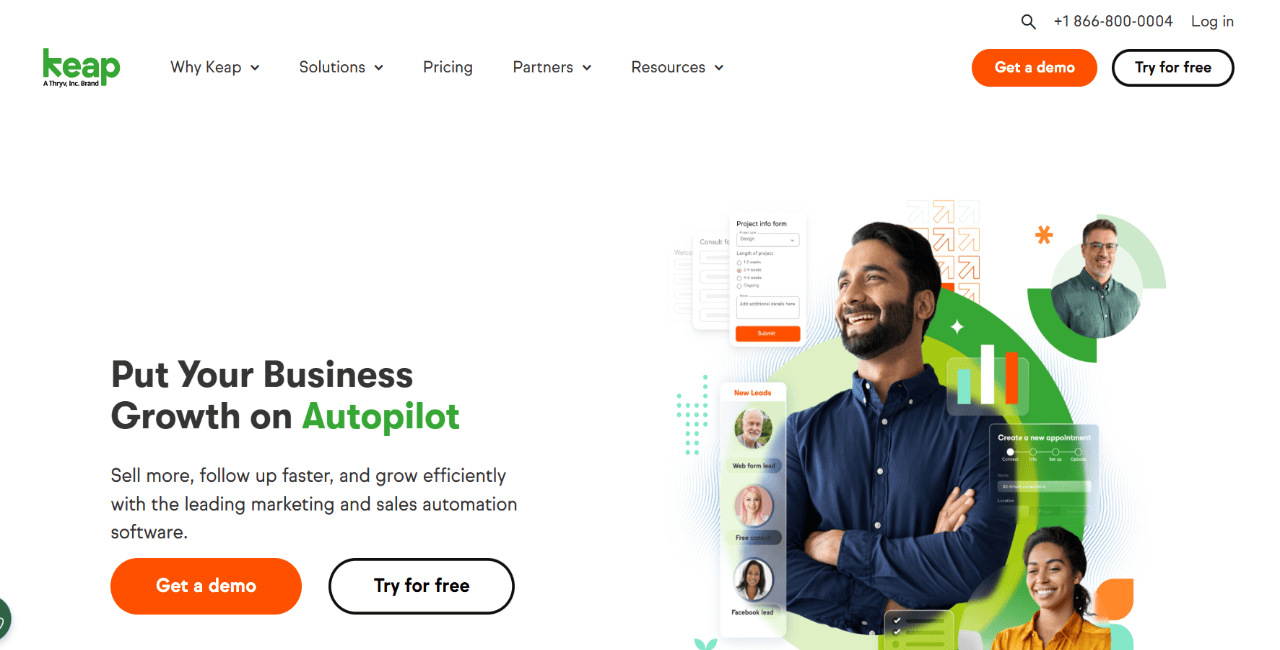
Keap: best for automated lead nurture

Keap is useful for agencies that lose meetings because interested leads sit too long after downloading a resource, filling out a form, or asking a pricing question.


It combines CRM, email follow-up, text marketing, invoicing, payments, appointment scheduling, and automation in one setup. Agencies can build nurture paths for leads who are not ready to book yet, then move warmer prospects toward a call once they engage.

Keap fits smaller agencies selling coaching, consulting, creative services, or local marketing packages, especially when nurture and payment workflows matter. It is stronger for managing and converting known leads than for sourcing new outbound prospects.

Key features

  • CRM: Stores leads, clients, and deal activity.
  • Automation builder: Triggers follow-ups from behavior.
  • Email marketing: Sends broadcasts and nurture emails.
  • Appointment scheduling: Lets prospects book calls.
  • Text marketing: Adds SMS follow-up.
  • Payments: Sends invoices and collects payments.

Pricing

Keap pricing starts at $249/month on its current pricing page, while several 2026 reviews list entry pricing from $299/month depending on contacts, users, and billing terms.

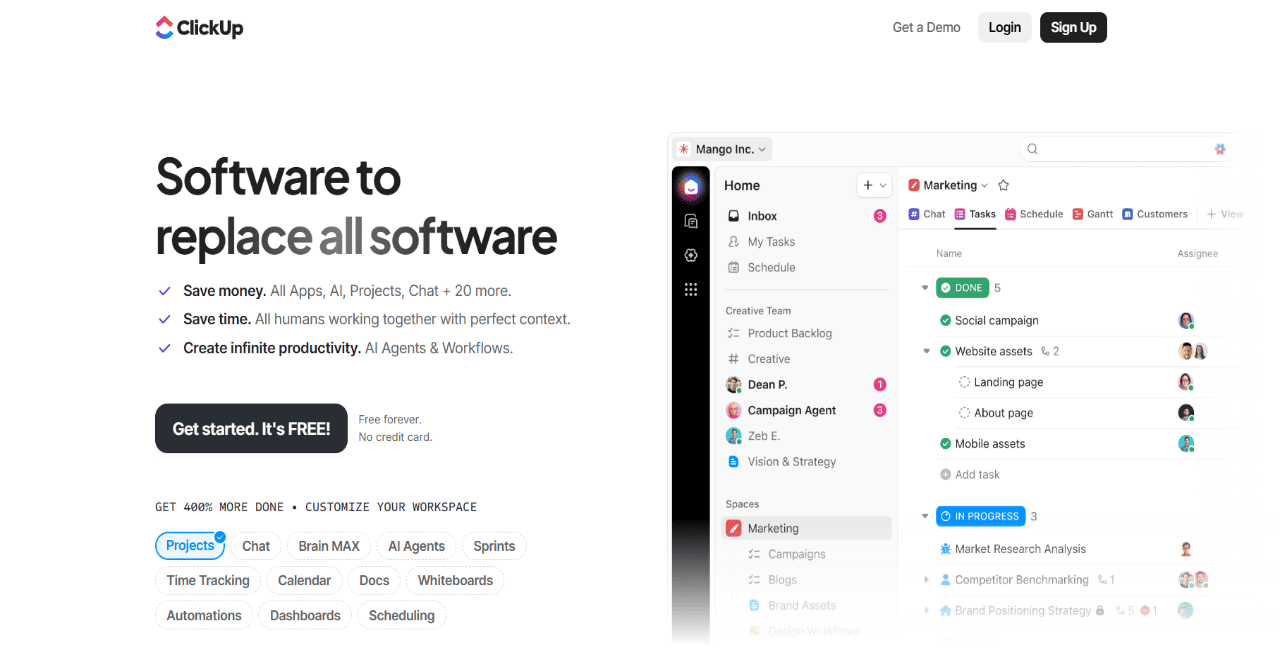
ClickUp: best for task-driven agencies

ClickUp is a good fit for agencies that need a flexible workspace for tasks, briefs, docs, approvals, deadlines, and recurring client processes.

After a meeting, teams can use ClickUp to create task lists, assign owners, store notes, track workloads, manage content calendars, and automate status changes. It works well for agencies that want one place for internal execution and client deliverables.

ClickUp is highly customizable, which is useful for agencies with different service lines or delivery models. Its core strength is work management, so agencies focused on creating new sales conversations will still need separate tools for prospecting, outreach, and inbox infrastructure.

Key features

  • Tasks: Assigns owners, priorities, and deadlines.
  • Docs: Stores briefs, notes, and processes.
  • Dashboards: Tracks work progress and workload.
  • Automations: Moves work by status changes.
  • Forms: Collects client requests.
  • Views: Shows work as lists, boards, calendars, or timelines.

Pricing

ClickUp Unlimited starts at $7/user/month, billed annually. Business costs $12/user/month, billed annually. Enterprise pricing is custom.

Choose the right agency management software for your team

The right agency management software depends on what’s slowing your agency down.

If the problem is delivery, choose a project or operations tool. If the problem is inbound routing, choose a scheduling tool. But if the bottleneck is pipeline, Reply.io is built for that specific job: finding prospects, running outreach, personalizing messages, protecting deliverability, managing replies, and booking qualified meetings.

For outbound sales agencies that need more high-intent conversations, Reply.io gives you the workflow to turn prospecting into a repeatable meeting-booking system for all their clients. 

Start your free 14-day Reply.io trial to see it in action right away!

FAQ

What is the most popular agency management system?

There isn’t one universal “most popular” agency management system because agencies use different tools for different jobs. Reply.io is a strong choice for outbound meeting booking, with a 4.6/5 G2 rating from 1,500+ reviews and more than 3,000 businesses using the platform.

What is the best project management software for agencies?

Asana, ClickUp, Productive, and Scoro are strong options for managing project work, timelines, tasks, budgets, and delivery. Reply.io fits earlier in the workflow, helping agencies create the meetings and sales conversations that turn into projects.

What software helps agencies manage client work?

Productive, Accelo, Scoro, ClickUp, and Asana are good options for managing client work after kickoff. Reply.io adds the revenue layer before delivery by helping agencies find prospects, run outreach, manage replies, and book qualified meetings.

What are the best agency management tools for lead generation?

Reply.io, HubSpot CRM, Keap, and Zoho CRM can all support lead activity, but they solve different parts of the process. Reply.io is built for outbound lead generation, combining prospect data, enrichment, multichannel outreach, AI personalization, deliverability, and scheduling.

Which agency management software is best for outbound sales?

Reply.io is the best fit for outbound sales agencies because it combines real-time B2B data, email and LinkedIn outreach, AI personalization, Jason AI, deliverability tools, reply management, and meeting scheduling in one platform.

Subscribe to our blog to receive the latest updates from the world of sales and marketing.
Stay up to date.

Related Articles

GTM Engineering With and Without AI in 2026 | All You Need to Know

GTM Engineering With and Without AI in 2026 | All You Need to Know

GTM Engineering With and Without AI in 2026 | All You Need to Know
How to Use AI as Your GTM Strategist in 2026: Practical Steps

How to Use AI as Your GTM Strategist in 2026: Practical Steps

How to Use AI as Your GTM Strategist in 2026: Practical Steps
How to Define and Optimize Your Cost per Lead | Agency Owner’s Guide

How to Define and Optimize Your Cost per Lead | Agency Owner’s Guide

How to Define and Optimize Your Cost per Lead | Agency Owner’s Guide