
Launching into a new market takes more than a contact list and a few outbound campaigns. Buyers do more research before engaging, responses are now much harder to earn, and generic messaging rarely creates momentum.
A strong AI GTM strategy helps teams make better decisions earlier. It can improve account research, refine positioning, prioritize the right channels, personalize outreach, and surface the signals that indicate when a buyer is ready to engage.
This guide explains how to build an AI-powered go-to-market strategy from the ground up, including the core steps, practical use cases, and tools that can support execution.
What is a GTM strategy?
A go-to-market strategy explains how your company will bring a product to market and convert the right buyers into revenue.
It answers five core questions:
- Who are we selling to?
- Why should they care now?
- What message will make them listen?
- Which channels will reach them?
- How will we measure success?
In practical terms, a GTM strategy connects your product, target buyer, positioning, channels, and revenue goals before execution begins.
That gives sales and marketing teams a clear path to follow. Before you build email sequences, launch ads, publish content, or assign accounts to reps, you need to know who you are trying to reach, what problem you solve for them, and why they should act now.
Here’s what goes into it:
| GTM component | What it means | Question it answers |
| ICP | The company type, buyer role, pain, budget, and trigger event you want to target | Who should we sell to? |
| Positioning | The market problem your product solves and why your offer deserves attention | Why should buyers care? |
| Messaging | The words, proof points, and sales story you’ll use in outreach and content | What should we say? |
| Channels | The paths you’ll use to reach buyers, such as email, LinkedIn, calls, content, paid, or partners | Where will we reach them? |
| Motion | The sales path, such as outbound-led, inbound-led, product-led, partner-led, or a mix | How will we create pipeline? |
| Metrics | The numbers you’ll track, such as replies, meetings, opportunities, conversion rates, and revenue | How will we judge progress? |
When there’s no coordinated plan, the campaign splits in too many directions, especially if you’re not using AI for GTM operations.
One rep targets finance leaders and another targets operations. Meanwhile, marketing writes for founders and paid campaigns chase broad industries. And then there are the disjointed sales sequences that use different pains, offers, and timing.
Soon, replies, demos, and opportunities point to different buyer groups, and that’s definitely not something you want.
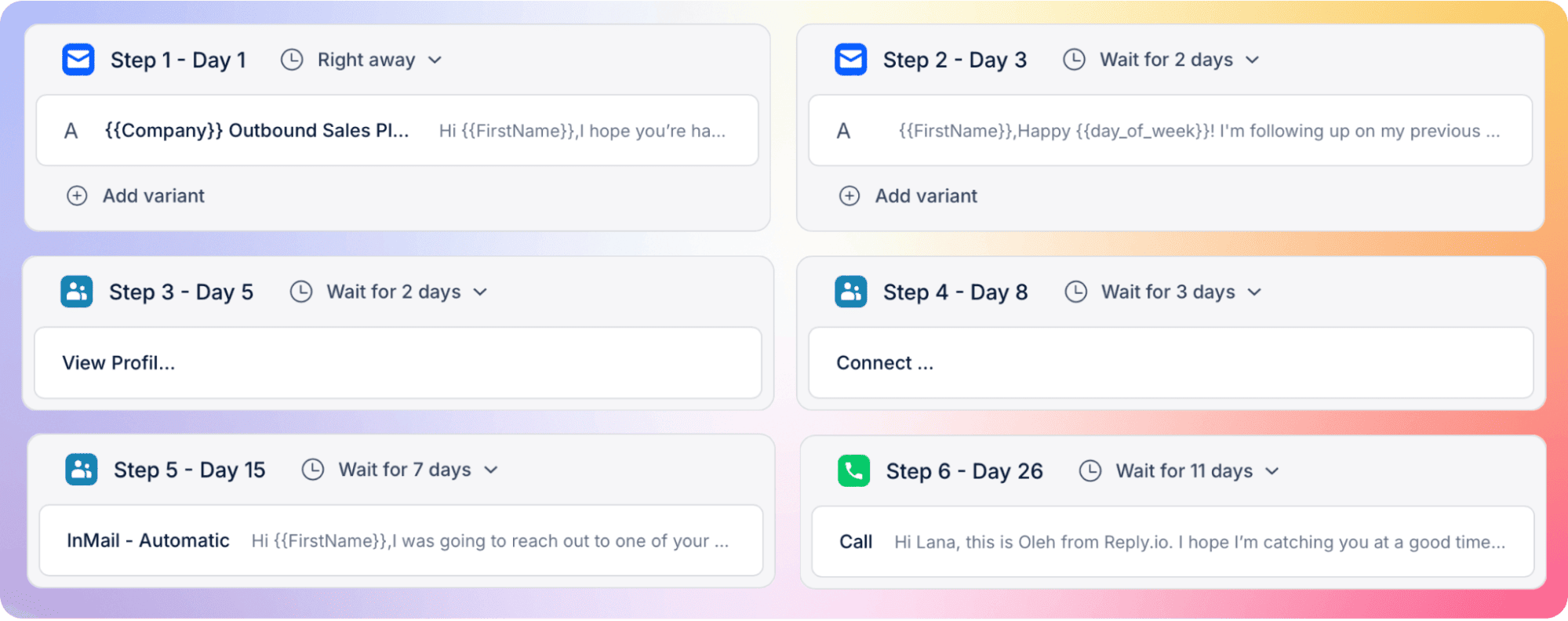
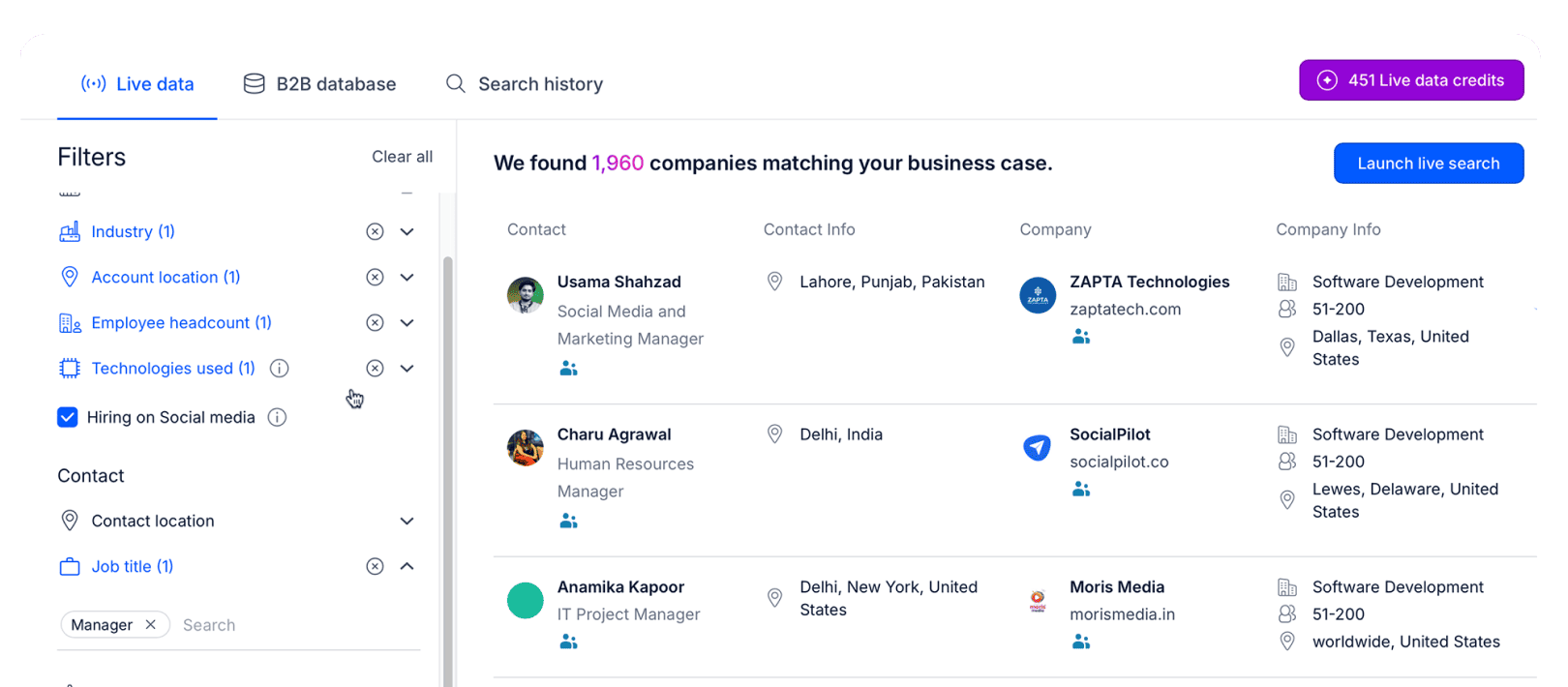
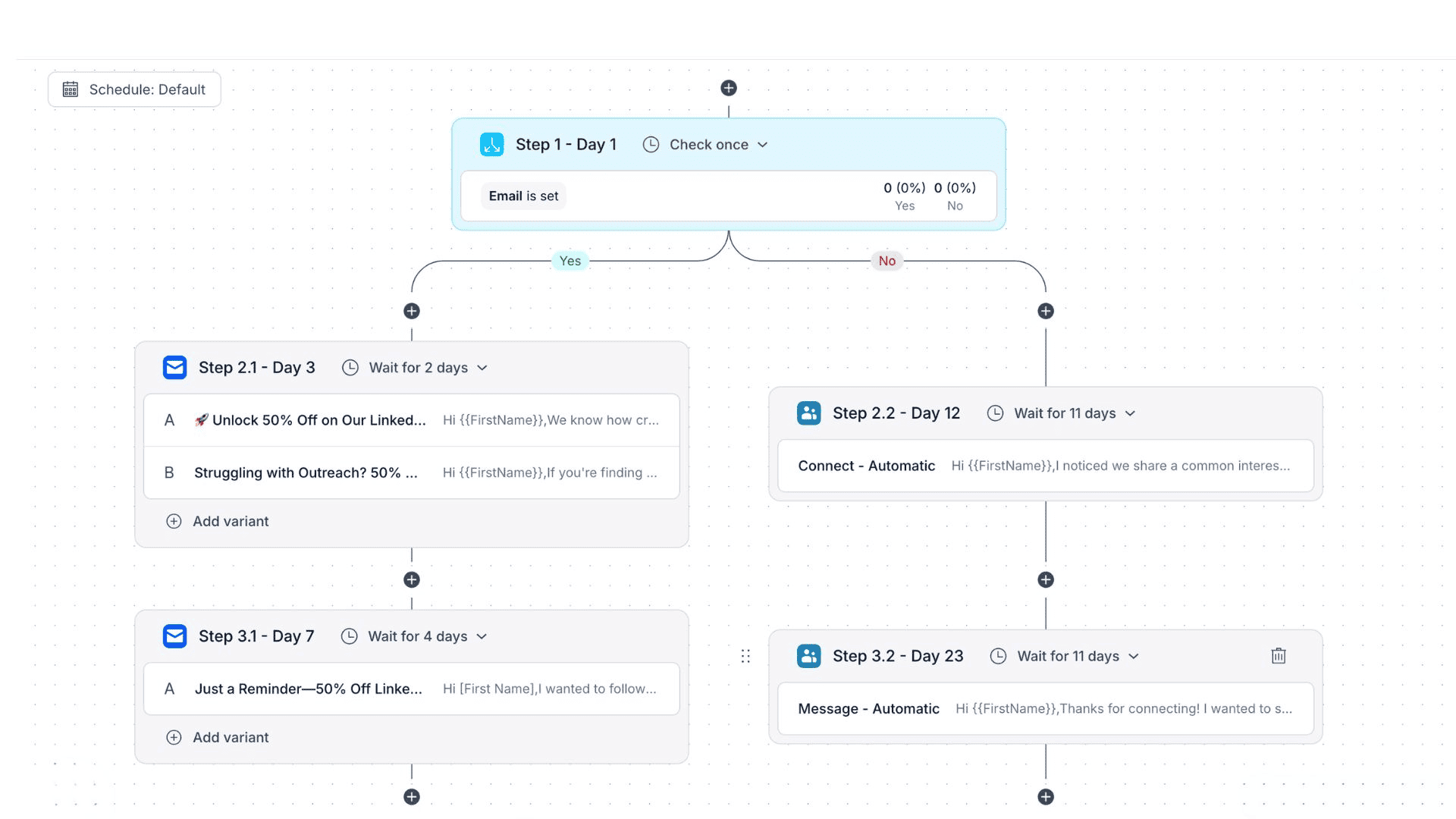
The other part of the equation is having the right software by your side (more on that shortly). An AI sales platform like Reply.io helps teams combine all the core building blocks of a GTM system under one roof, identifying who to target, when, and why, launching personalized outreach across channels, refining the strategy based on analytics, and more.