

Key takeaways:
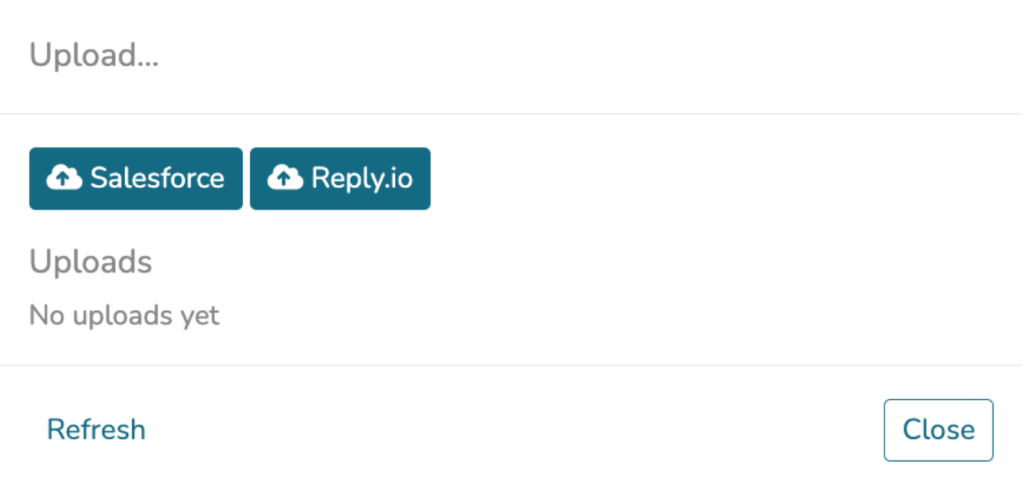
- udu Source builds the proprietary target list, and our new integration pushes those contacts straight into a Reply.io sequence without a CSV in the middle.
- Deal sourcing outreach is not cold email. Stanford’s search fund data puts the first signed LOI at 7.8 months, so your cadence runs over quarters, not days.
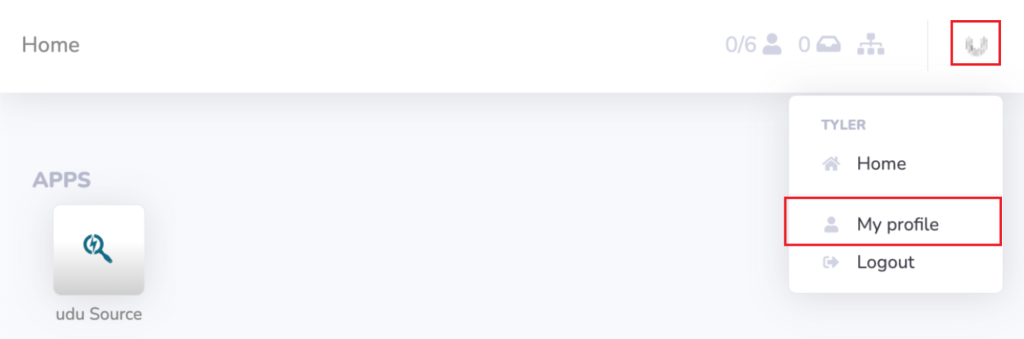
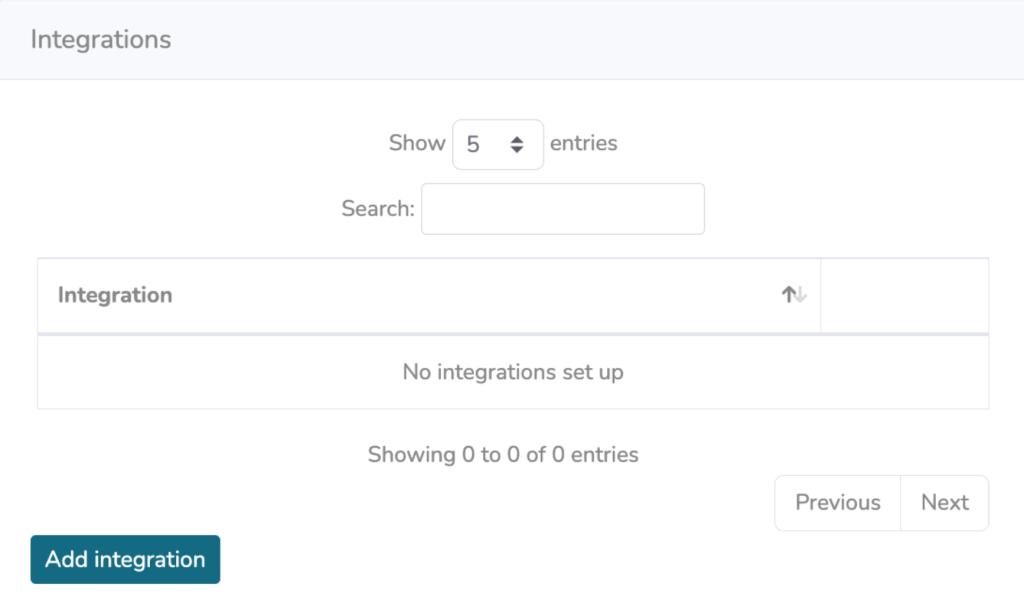
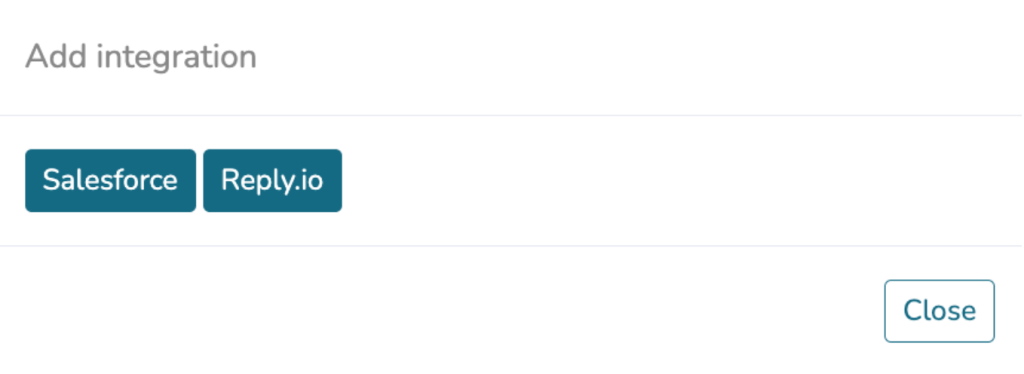
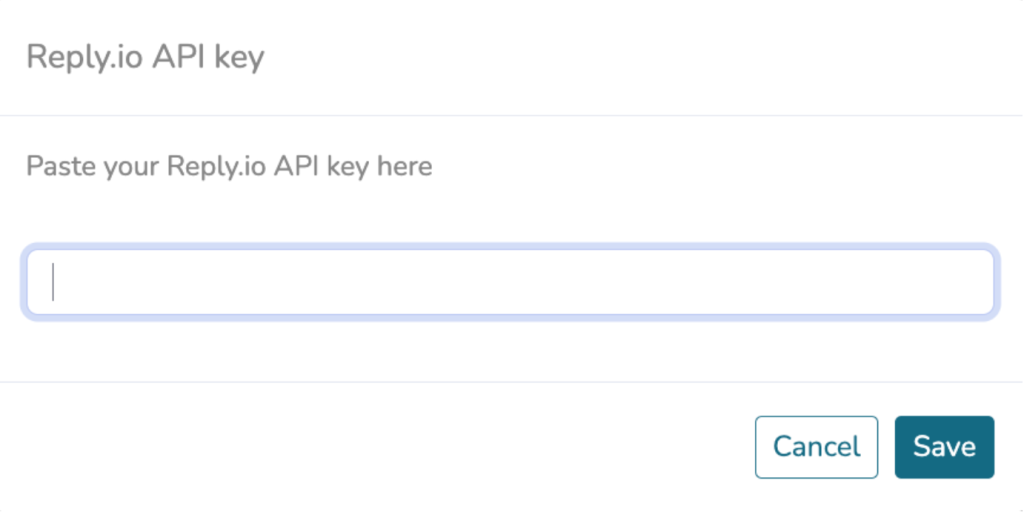
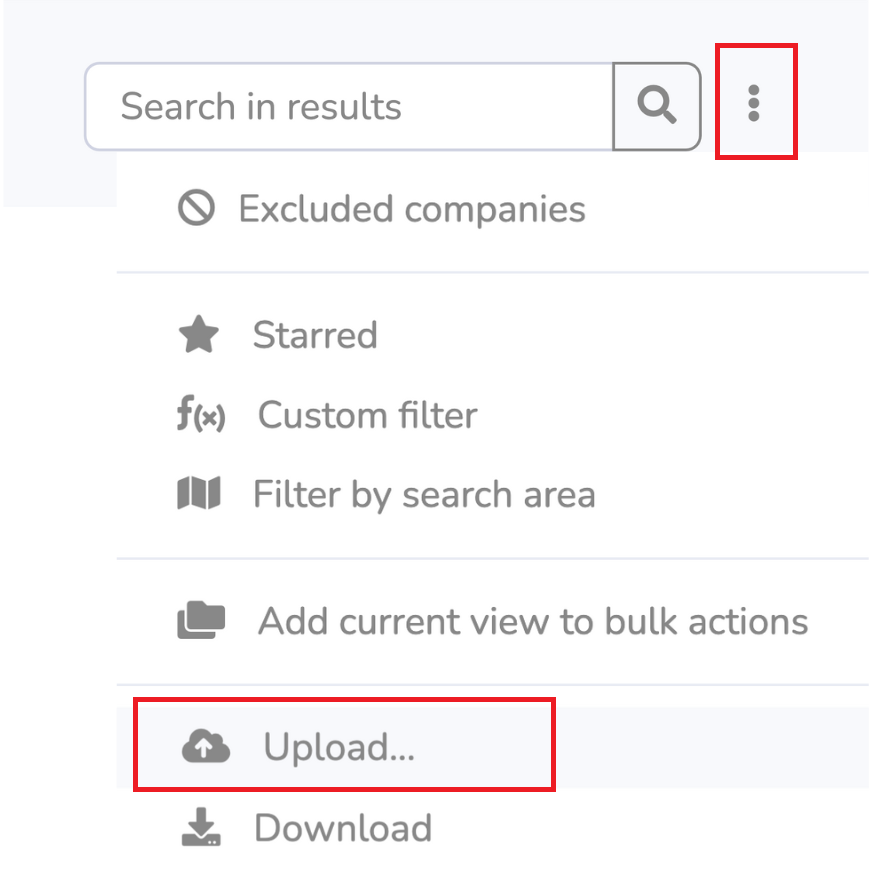
- The setup takes about two minutes: paste your Reply.io API key into udu, then upload from any udu Source project.
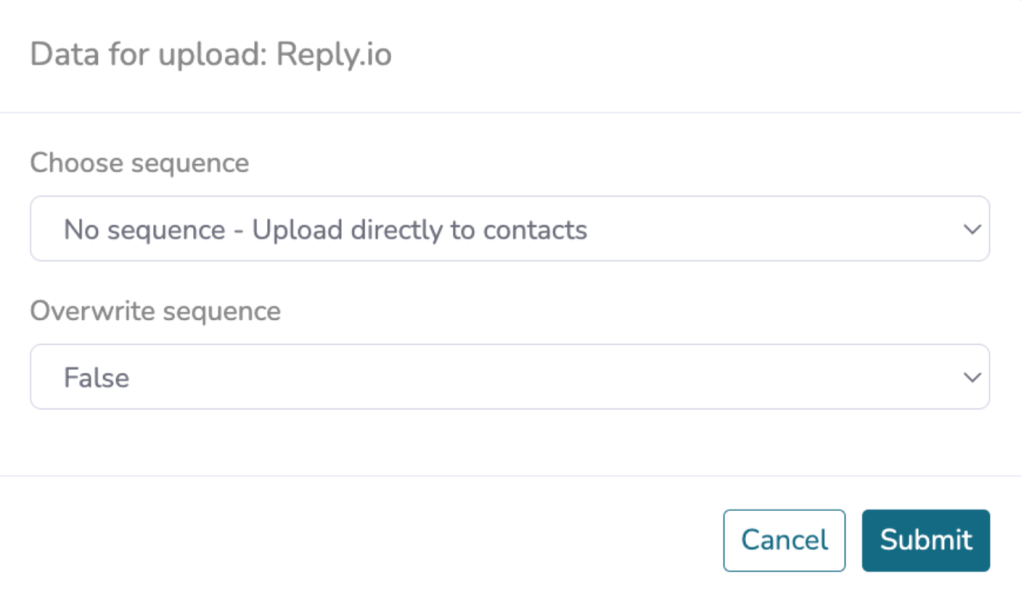
- The Overwrite setting decides whether a re-run of your udu project refreshes contacts or leaves them alone. Get it wrong and you re-sequence people you already spoke to.
Most outbound advice assumes you’re selling software to a buyer who already has a budget line for it. Deal sourcing is a different job. You’re emailing the owner of a profitable company that isn’t for sale, who has never heard of your firm, and who already fields a version of your email from other funds.
The list matters more than the volume, and the timeline is measured in quarters.
That’s the gap this guide covers. udu Source finds the targets, we run the conversations, and the integration between them removes the export-import step that used to sit in the middle. Below is the full setup, then the part nobody writes down: how to design a sequence that an owner-operator will actually answer.
Why Deal Sourcing Outreach Is Not Cold Email
The economics are inverted. A standard outbound prospecting motion treats names as replaceable: send more, accept a low reply rate, optimize the funnel. In origination, your list is your thesis. If you burn a good target with a clumsy email, you don’t get another one in that niche.
The competitive backdrop makes it worse. Bain & Company counted $1.3 trillion of buyout dry powder in its 2026 Global Private Equity Report, with 2025 deal value up 44% to $904 billion. But the recovery was narrow: 13 megadeals took 30% of the total. Everyone else is competing for mid-market companies, and the ones that reach a banker’s process attract a crowd.
Sourcing proprietary targets is how you avoid that crowd, and it only pays off if the outreach that follows is worth the list.
| Standard B2B cold email | Deal sourcing outreach | |
| List size | Thousands per month | 30 to 200 per project |
| Cost of burning a name | Low, the list refills | High, the niche is finite |
| Cadence length | 5 to 14 days | 6 to 12 months |
| Touches per contact | 6 to 9 | 4 to 6 |
| What “success” looks like | A booked demo | A 20-minute call, no agenda |
| Sender | Shared team domain | A named partner or principal |
Read the right-hand column as a set of constraints rather than preferences. Fewer touches over a longer window, from a real person, asking for less. That shapes everything downstream, including how you configure the upload.
What udu Source Actually Hands You
udu is an AI deal sourcing platform. It runs live web searches across what it describes as thousands of data sources, including example companies you supply, news and press releases, government filings, map data, and your own sources, then scores and prioritizes the results against your criteria.
The point of difference is coverage of companies that don’t appear in the usual databases. udu’s own framing is that it finds “under-the-radar businesses overlooked by database tools,” which is the whole argument for proprietary sourcing.
Their customer evidence is unusually specific for a vendor page. Doni Perl, a Principal at Charter Oak Equity, describes running udu alongside a purchased list: “working in a parallel path using purchased lists, Charter Oak uncovered only 19 of the 95 names that udu turned up.”
That gap is the reason the outreach has to be good. Ninety-five names you found yourself is a different asset from a bought list, and it deserves better than a template.
What We Do Once the List Lands
Our side of the workflow is the conversation layer. Reply.io runs the sequences, handles sending infrastructure and deliverability, and keeps every reply in one inbox so a partner can pick up a thread without digging through a personal mailbox.
We’re not a CRM and don’t try to be. We sync to HubSpot, Salesforce and Pipedrive, so the deal record stays wherever your firm already tracks it.
For origination work, three things matter more than the feature list: sequences that branch on behavior rather than firing on a timer, sending from a domain you haven’t burned, and a shared view of who has already been contacted so two associates don’t email the same owner in the same week.

![B2B SaaS Marketing Strategy in 2026 [Step-by-Step Guide]](https://reply.io/wp-content/uploads/marketing.agency-300x158.jpg "B2B SaaS Marketing Strategy in 2026 [Step-by-Step Guide]")