
The Best 11 Enterprise Outreach Platforms with AI Automation in 2026

The Best 11 Enterprise Outreach Platforms with AI Automation in 2026

Enterprise outreach breaks when every rep has to manage prospecting, personalization, follow-ups, reply handling, CRM updates, and meeting booking manually.

At a small team size, those gaps are still manageable. Once you have 200 reps, they turn into missed replies, inconsistent messaging, messy CRM data, deliverability problems, and revenue that gets harder to forecast.

AI outreach platforms help enterprise teams standardize that workflow across larger sales orgs. The best tools combine data, multichannel sequencing, AI personalization, reply management, deliverability controls, CRM sync, analytics, and governance, so teams can scale outbound without losing control over quality.

This guide compares 11 enterprise outreach platforms with AI automation and explains where each one fits.

TL;DR: top enterprise outreach platforms at a glance

Let’s kick things off with a table summarizing what to expect from enterprise outreach platforms in this overview: 

Platform Best for Key AI feature Starting price
Reply.io All-in-one AI outreach and enterprise lead generation Jason AI — AI sales agent that finds leads, launches personalized outreach, handles replies, and books meetings autonomously $49/user/mo
Outreach Enterprise revenue orchestration Omni AI agent. Surfaces deal risks and drafts emails through natural language Contact sales
Salesloft Predictive sales workflows Rhythm engine. Ranks rep actions by revenue impact using live buyer signals Contact sales
ZoomInfo Copilot Signal-based prospecting Buying Group identification. Maps all decision-makers in an account automatically $39,995/year
Amplemarket Signal-to-sequence automation Duo AI Copilot. Detects buying signals and builds personalized sequences automatically $600/mo
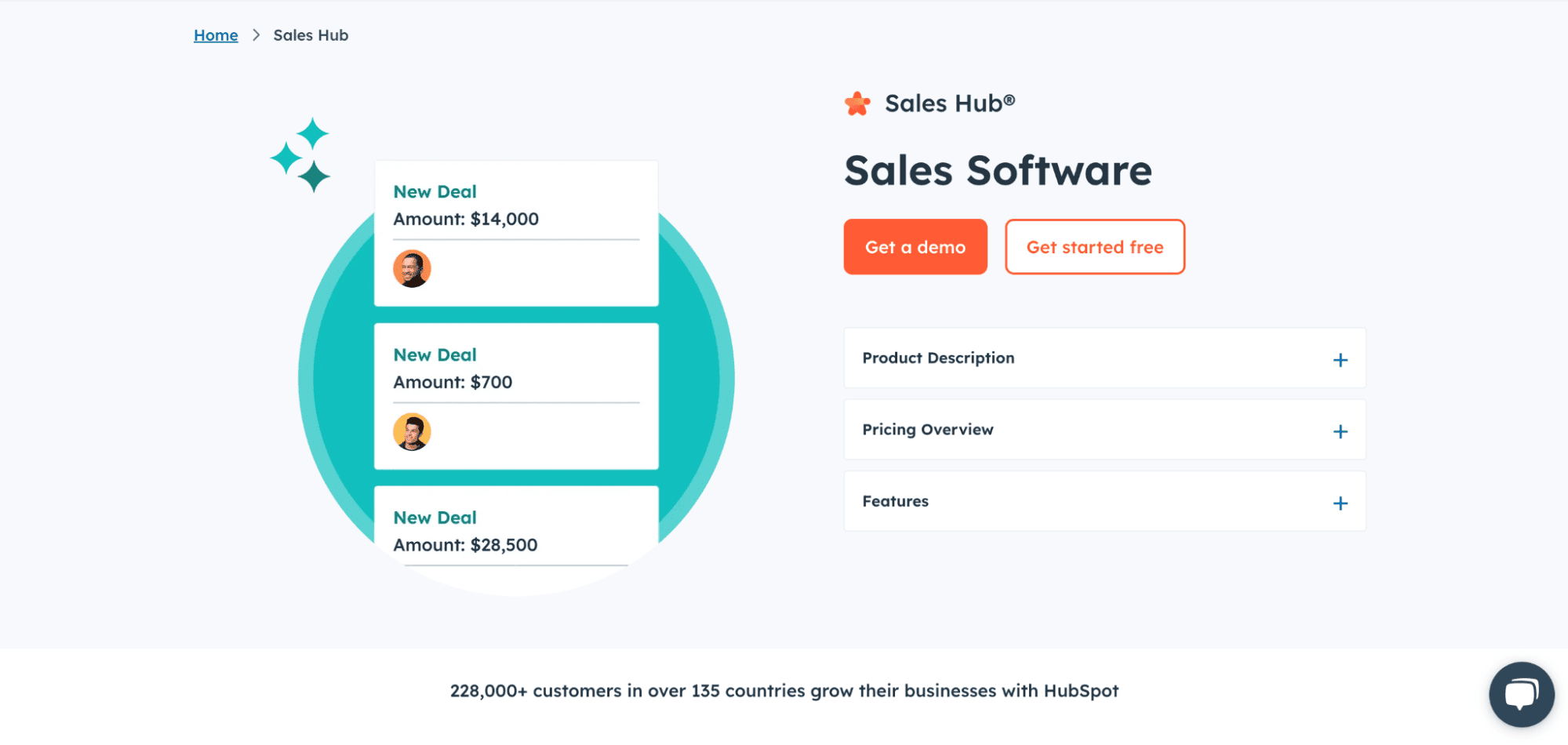
HubSpot Sales Hub CRM-native AI prospecting Breeze Prospecting Agent. Monitors buying signals and drafts personalized outreach $90/seat/mo
Salesforce Sales Engagement Salesforce-native cadence control Einstein Lead Scoring. Scores leads 1–99 based on historical conversion patterns $50/user/mo
Clari Groove Salesforce engagement plus forecasting Native Salesforce storage. Logs all engagement data directly to Salesforce objects Contact sales
Gong Engage Conversation-led follow-up Deal Likelihood Score. Predicts close probability using 300+ engagement signals Contact sales
Revenue.io Call-first sales engagement Moments™. Surfaces talk tracks during live calls based on keywords and objections Contact sales
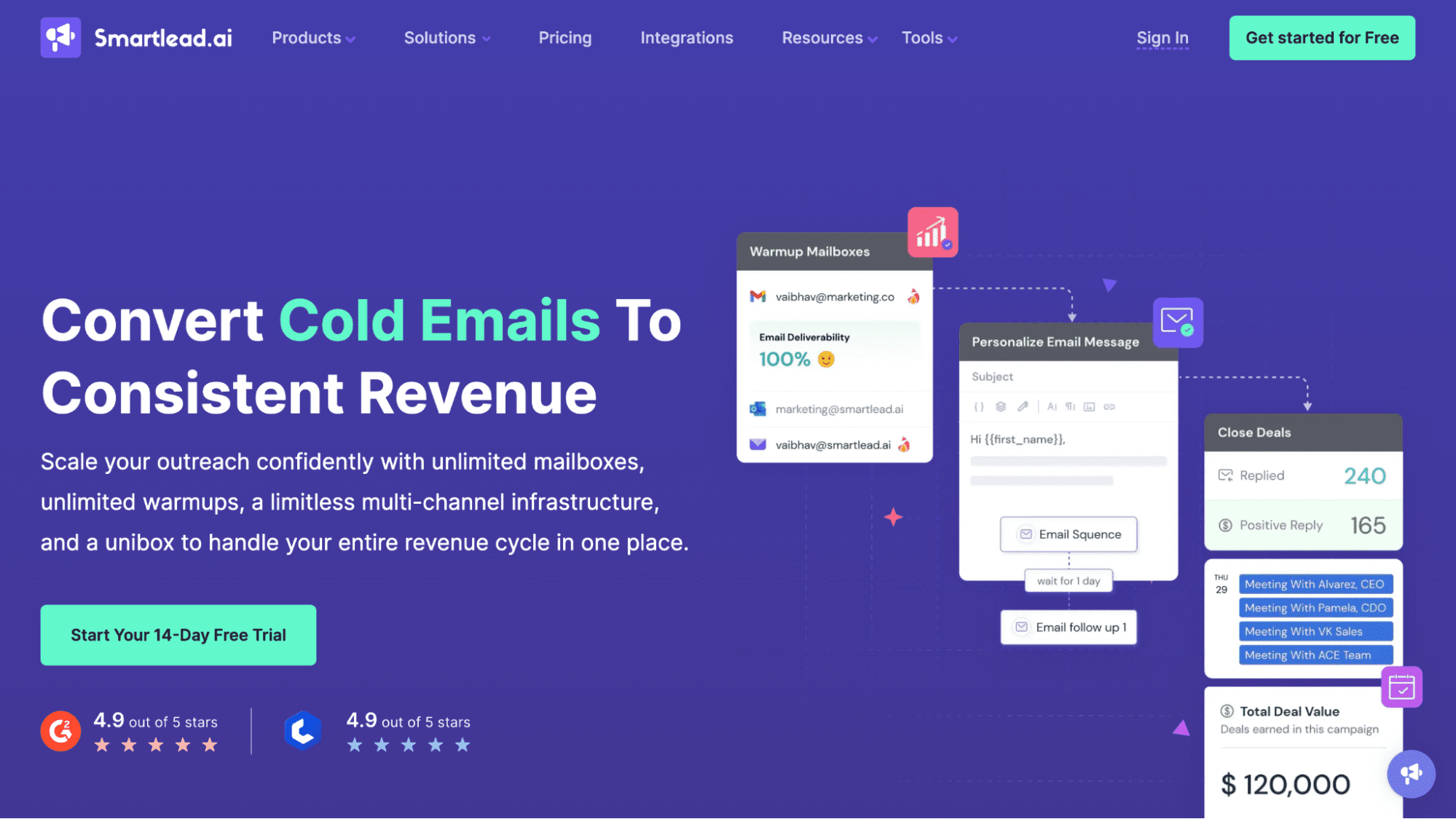
Smartlead Mailbox scaling and deliverability SmartDelivery. Tests inbox placement before campaigns go live $39/mo
Instantly Cold email plus AI reply workflows AI reply agent. Categorizes replies and triggers next steps automatically $37/mo

How we selected the enterprise outreach platforms with AI automation

We evaluated each platform based on how well it supports enterprise outbound teams that need scale, control, automation, and reliable execution across many reps.

Here’s what we looked at:

  • AI capabilities: prospect research, account context, message generation, AI variables, sequence creation, reply handling, lead qualification, and meeting booking.

  • Multichannel outreach: support for email, LinkedIn, calls, SMS, and other channels inside one coordinated workflow.

  • B2B data and enrichment: built-in contact data, account data, intent signals, enrichment, validation, and compatibility with external data sources.

  • CRM and workflow integration: Salesforce, HubSpot, Pipedrive, API access, automation tools, and whether activity syncs cleanly across the outbound GTM stack.

  • Deliverability support: email validation, warm-up, inbox placement checks, DNS checks, mailbox rotation, bounce control, and sender reputation monitoring.

  • Enterprise readiness: role-based access, team management, analytics, reporting, governance, scalability, onboarding, and support for larger outbound teams.

  • Price-to-value: how much of the outreach workflow the platform covers compared with the cost, setup effort, and number of extra tools required.

A strong enterprise outreach platform should do much more than simply send sequences, including helping teams keep targeting clean, messaging relevant, follow-up consistent, inbox placement healthy, and CRM activity accurate, especially as outbound volume starts to grow.

The Ultimate AI Sales Playbook for 2026

We built this playbook to show what modern sales teams are actually doing with AI today, and how you can use the same ideas in your own process.

What’s inside this guide:

→ AI tools top sales teams use for prospecting, outreach, meetings, CRM, and daily work

→ Ready-to-use AI prompts for research, cold emails, follow-ups, account planning, and proposals

→ Real examples of using AI across every stage of the sales process

→ A practical system for building pipeline with AI

→ Tips for improving outreach and personalization without adding more work

→ Sales workflows you can copy and start using right away

Get your copy and learn how to use AI to work faster, stay organized, and close more deals.

Best AI enterprise outreach platforms

The tools below cover different parts of the enterprise outreach workflow. Some are full sales engagement platforms, some focus more on data or email infrastructure, and others stand out for AI automation or revenue execution at scale.

Use the list to compare where each platform is strongest, what it may need around it, and whether it fits the way your sales team actually runs outbound (+ existing tech stack). 

Reply.io: best for AI-powered enterprise outreach and lead generation

Reply.io earns the top spot because it’s perfectly built to help enterprise sales teams find targeted leads and launch multichannel outreach at scale, all while its AI engine researches prospects and accounts, personalizes emails and LinkedIn messages, and manages campaigns.

Its native lead database gives teams access to 1B+ contacts and companies, with advanced ICP filters, built-in enrichment, email validation, and intent signals to help reps build targeted lists with enough sales intelligence for tailored and timely outreach. 

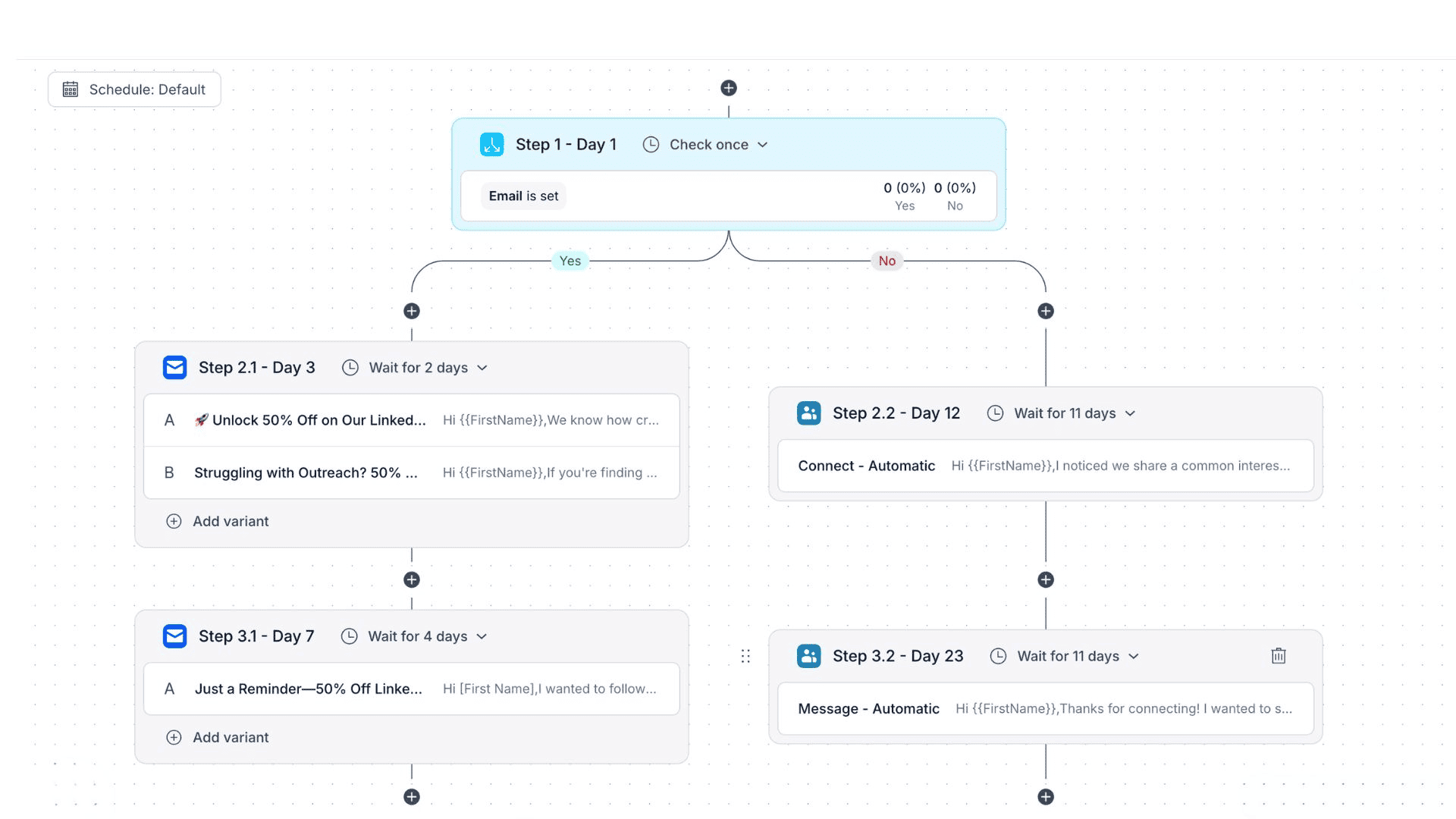
From there, Reply.io turns those contacts into coordinated outreach across email, LinkedIn, calls, SMS, WhatsApp, and Zapier steps. Conditional sequences will adapt based on prospect behavior, so a missed email, opened message, accepted LinkedIn connection request, clicked link, or reply will trigger the right next channel, timing, and messaging, instead of another generic follow-up.

how to auto send emails to a folder in gmail with conditional sequences

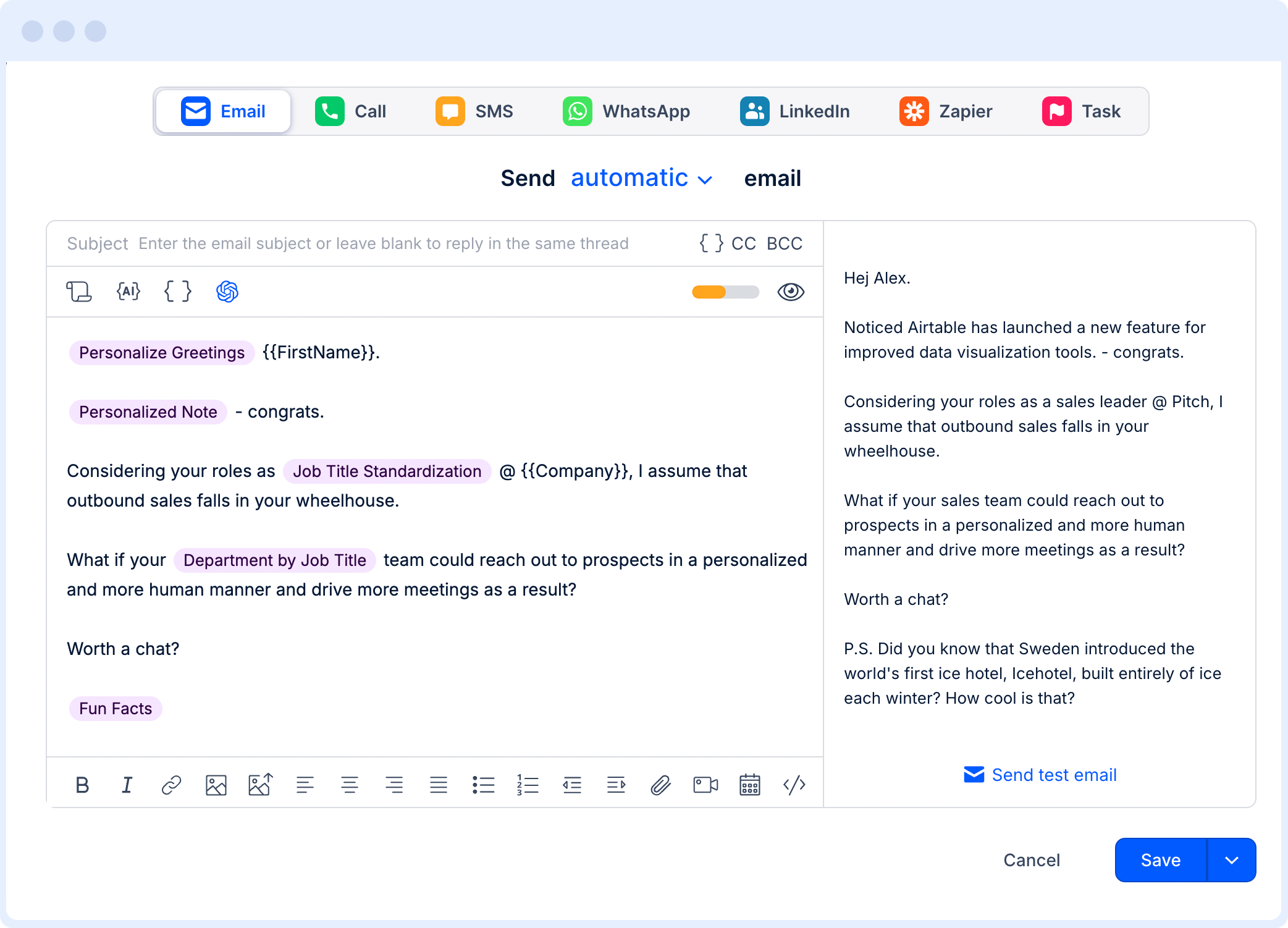
Each message will be automatically personalized by Reply’s AI engine based on the available and enriched data that it will research from its database, LinkedIn, and company websites. Teams can also create their own templates with custom AI Variables, while Reply researches each prospect and account to fill in those gaps before outreach. 

AI personalization

Jason AI is Reply’s AI sales agent that joins your team as a full-time rep, learns your business, audience, and strategy, and then helps define the ICP, source leads, personalize outreach, handle replies, qualify interest, and even book meetings on your behalf. Teams that want more control can use it in Copilot mode, or use Autopilot mode when they want Jason to run more of the workflow. 

For enterprise teams that need B2B data, multichannel execution, AI personalization, deliverability, reply handling, and meeting booking in one system, Reply.io is the strongest pipeline-generation platform on this list.

Key features

  • Reply Data: 1B+ contacts & companies, ICP filters, enrichment, validation, and intent signals.
  • Jason AI: ICP building, lead sourcing, outreach personalization, reply handling, qualification, and meeting booking.
  • Multichannel sequences: Email, LinkedIn, calls, SMS, WhatsApp, and Zapier steps in coordinated workflows. 
  • AI Variables and AI sequences: Personalized openers, value props, CTAs, and follow-ups based on prospect and account context.
  • Deliverability tools: Mailbox setup, warm-up, validation, spam checks, SPF, DKIM, and DMARC support.
  • Website visitor tracking: Identifies high-intent companies already engaging with your website.
  • Analytics and CRM integrations: Tracks sequence performance, replies, meetings, and syncs activity with tools like HubSpot, Salesforce, and Pipedrive.

Pricing

Reply.io starts at $49 per user per month for the Email Volume plan, and $89/user/month for the Multichannel plan. Meanwhile, Jason AI starts at $500 per month as a standalone plan. Dedicated agency plans are also available. 

Reply.io also offers a 14-day free trial with no credit card required.

Outreach: best for enterprise revenue orchestration

Outreach is a strong fit for big revenue teams that want sales engagement, deal management, forecasting, coaching, and AI support sitting in one system.

Outreach.io as one of the best linkedin outreach tools

It’s not just an outbound sequencer. The platform is more about coordinating seller activity across the revenue cycle, which makes sense for larger teams where the problem is rarely “send more emails” and more often “keep the whole sales motion clean.” Outreach AI Agents can help with prospecting, account research, deal execution, forecasting, and coaching, while Omni gives reps a conversational AI layer for pulling insights and moving work forward.

For pure outbound pipeline generation, the main catch is data. Outreach doesn’t have the same native B2B contact database angle as Reply.io, so teams usually need a separate data provider before they can run targeted prospecting at scale.

Key features

  • Outreach AI Agents: Useful for prospecting, account research, deal execution, forecasting, and coaching workflows.
  • Omni: A conversational AI layer reps can use to ask questions, surface account insights, and figure out next steps.
  • Sales engagement: Covers structured outreach across email, phone, and LinkedIn.
  • Deal management: Helps teams track opportunity health, next steps, and pipeline risk.
  • Forecasting: Uses deal and activity data to support revenue predictions.
  • Conversation intelligence: Captures calls and helps with coaching, objections, and deal context.

Pricing

Outreach doesn’t publish standard pricing. Most teams need to request a quote, and contracts are usually annual.

Salesloft: best for predictive sales workflows

Salesloft is a good fit for enterprise teams that want sales engagement tied closely to rep prioritization, buyer signals, and forecasting.

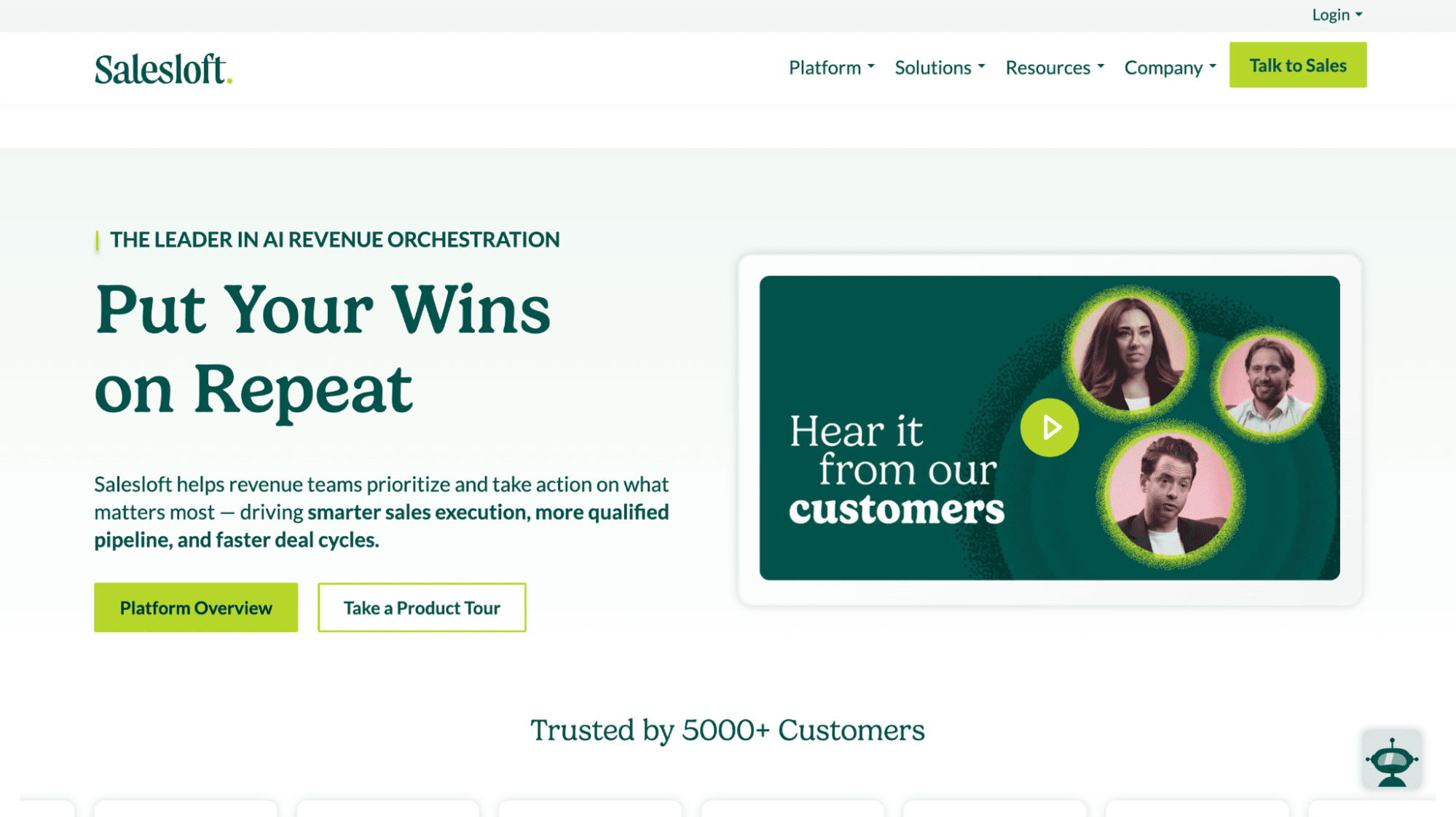
Its Rhythm engine recommends the next best action based on buyer signals, which helps reps avoid digging through tasks, CRM updates, and engagement data manually. Salesloft also supports cadences across email, phone, and LinkedIn, plus conversation intelligence and AI-assisted workflows for account research, seller guidance, and pipeline execution.

With the Clari and Salesloft merger, the platform is clearly moving toward a broader predictive revenue system that connects engagement, forecasting, and revenue intelligence. The tradeoff is pretty simple: Salesloft still isn’t a native B2B data platform, so teams that need fresh contact discovery and intent-based prospecting will usually need another data source.

Key features

  • Rhythm: Prioritizes seller actions based on buyer signals and revenue impact.
  • Cadence builder: Runs outreach workflows across email, phone, and LinkedIn.
  • AI agents: Helps with account research, seller guidance, and workflow automation.
  • Conversation intelligence: Records and analyzes calls for coaching and deal context.
  • Clari forecasting: Connects engagement activity with pipeline risk and revenue prediction.
  • CRM integrations: Syncs sales activity with systems like Salesforce.

Pricing

Salesloft pricing is custom. Package, seats, contract length, and add-ons will all affect the final quote.

ZoomInfo Copilot: best for signal-based prospecting

ZoomInfo Copilot is built for teams that care about account intelligence, buying signals, and AI-guided prospecting on top of a large B2B data layer.

ZoomInfo as one of the Cognism alternatives

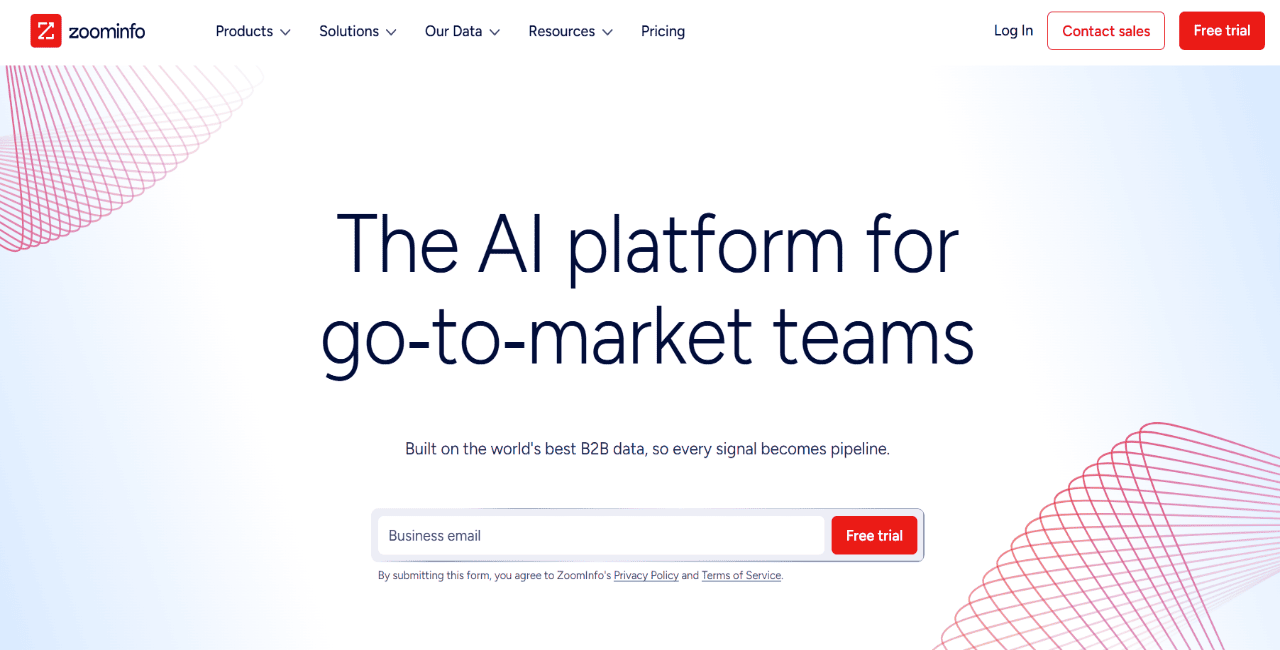
The platform is strongest when reps need to know which accounts are showing intent, who sits in the buying group, and what context should shape the next touch. Copilot uses ZoomInfo’s company data, contact data, intent signals, org charts, and account activity to help reps prioritize accounts and decide what to do next.

For enterprise account-based motions, that’s very useful. But ZoomInfo is still mostly a data and intelligence layer. If your team needs deeper multichannel outreach, AI reply handling, and meeting booking, you’ll probably still pair it with a dedicated engagement platform.

Key features

  • B2B data layer: Gives teams access to professional profiles, company records, firmographics, and technographics.
  • Intent signals: Tracks account-level research activity across a large set of business topics.
  • Copilot: Uses AI to prioritize accounts and recommend next actions.
  • Buying Group: Helps map the people involved inside target accounts.
  • Account Summaries: Pulls together org charts, company news, intent data, and account context.
  • CRM automation: Helps update records and trigger workflows from account activity.

Pricing

ZoomInfo doesn’t publish standard pricing. Third-party estimates for 2026 often put entry contracts around $14,995/year, with higher tiers and Copilot-related packages moving into the $40,000+/year range depending on seats, credits, and add-ons.

Amplemarket: best for signal-to-sequence automation

Amplemarket is a good fit for teams that want buying signals, enrichment, and multichannel outreach connected in one workflow.

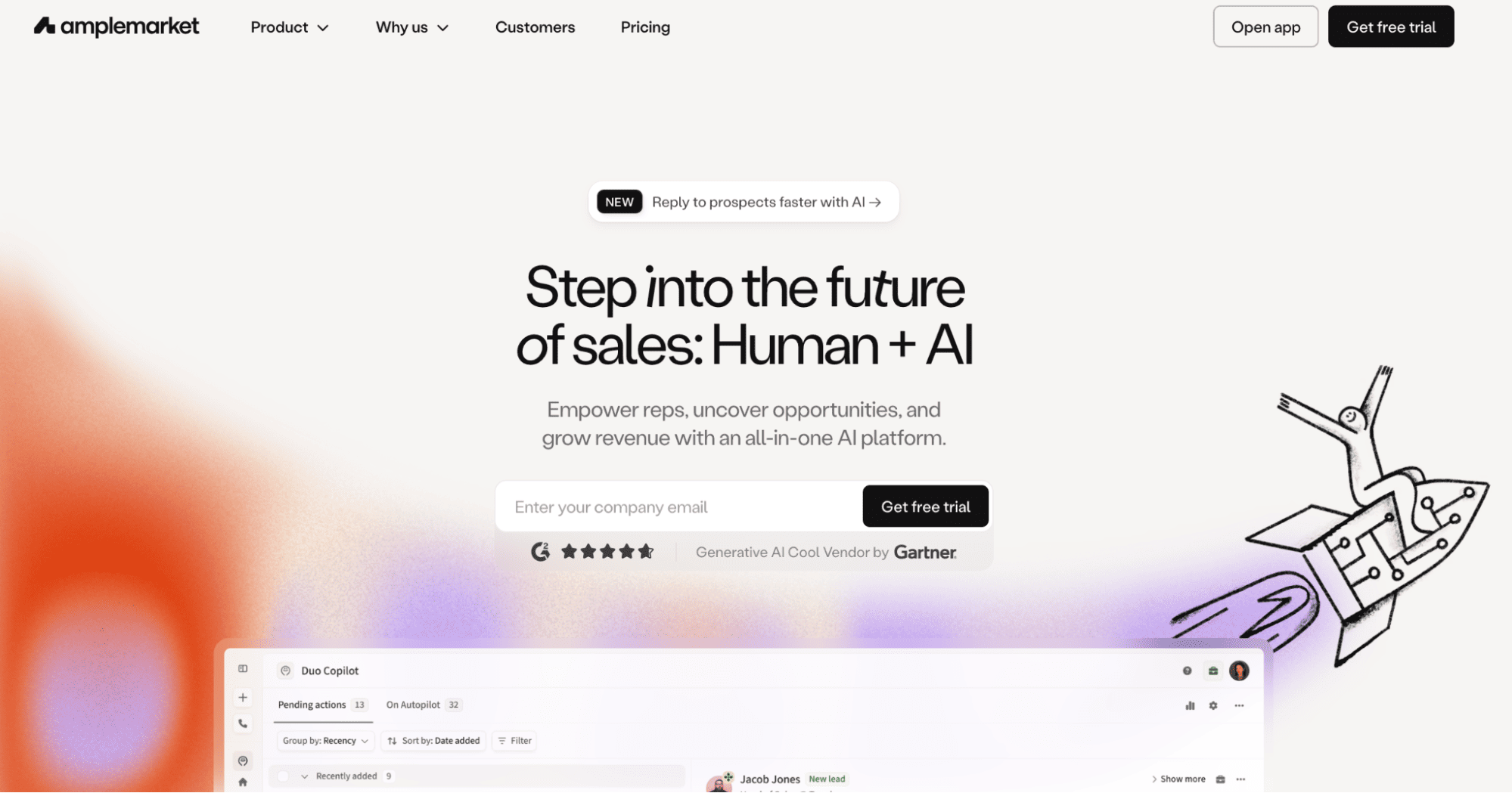
Duo AI Copilot helps reps figure out who to contact, why the timing makes sense, and what message to send. The platform combines signal monitoring, prospect research, AI-generated outreach, and sequencing across email, LinkedIn, phone, and related channels. So for outbound teams that want to turn job changes, social activity, account context, and intent signals into sequences without building everything manually, it’s a strong option.

Compared with a narrow email tool, Amplemarket gives you more context and more workflow coverage. Compared with Reply.io, the difference is autonomy. Reply.io’s Jason AI can run more of the outbound motion from lead sourcing to replies and booking, while Amplemarket feels more like a copilot that helps reps move faster.

Key features

  • Duo AI Copilot: Helps reps understand who to contact, why now, and what to say.
  • Signal agents: Monitors job changes, competitor mentions, social activity, and other buying signals.
  • AI research: Pulls prospect and account context for more relevant outreach.
  • Multichannel sequences: Supports email, LinkedIn, phone, and related outreach workflows.
  • AI-generated messaging: Drafts outreach based on account context and signal data.
  • Deliverability tools: Helps monitor domain health, sending limits, and email performance.

Pricing

Amplemarket’s Startup plan starts at $600/month, billed annually, with 2 users included. Growth and Elite are custom-priced.

HubSpot Sales Hub: best for CRM-native AI prospecting

HubSpot Sales Hub makes the most sense for teams that already run sales inside HubSpot and want AI prospecting built directly into the CRM.

Breeze Prospecting Agent can monitor buying signals, find contacts, research prospects, and draft outreach using CRM context. That’s helpful when HubSpot already holds your website activity, lifecycle data, deal history, and contact engagement. Breeze Intelligence also supports enrichment, while Sales Hub covers email outreach, tasks, sequences, meetings, and pipeline management.

The limitation is channel depth. HubSpot works best when the CRM is the center of the workflow. For teams that need stronger LinkedIn, phone, SMS, WhatsApp, and standalone outbound execution, a more dedicated outreach platform like Reply.io will usually fit better.

Key features

  • Breeze Prospecting Agent: Finds prospects, researches accounts, and drafts outreach.
  • CRM-grounded personalization: Uses contact records, deal activity, and engagement history.
  • Breeze Intelligence: Enriches contact and company records.
  • Buyer intent: Helps identify companies showing interest through website activity.
  • Sequences and tasks: Supports structured follow-up inside HubSpot.
  • Meetings and pipeline tools: Connects outreach with booking and deal management.

Pricing

HubSpot Sales Hub Professional is listed at $90/month/seat, though HubSpot may show promotional annual pricing depending on when you check. Breeze Prospecting Agent costs $1 per lead recommended for outreach and uses HubSpot Credits.

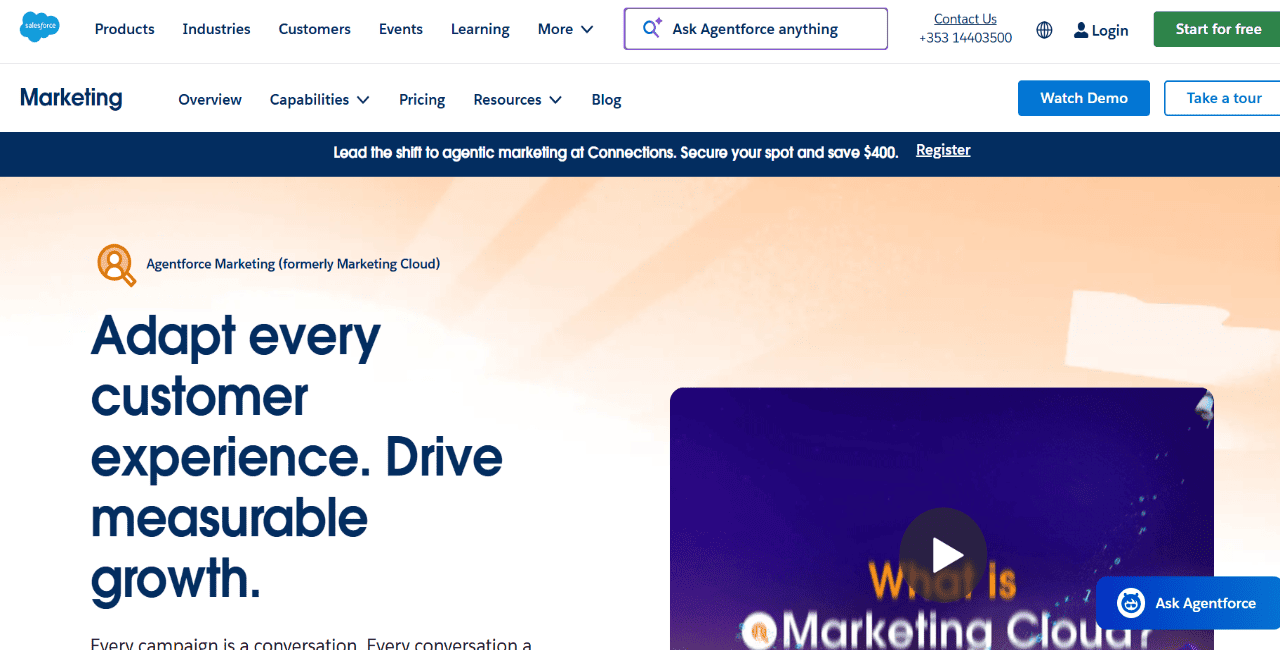
Salesforce Sales Engagement: best for teams using Salesforce

Salesforce Sales Engagement is a practical choice for enterprise teams that already live in Salesforce and want cadences, tasks, email automation, calling workflows, and activity capture inside the CRM.

Salesforce Marketing Cloud as a lead verification software

Reps work from a guided Work Queue that shows the next action for each prospect. Cadence Builder supports branching workflows across email, calls, and LinkedIn tasks. Since everything sits inside Salesforce, sales activity can be logged directly to CRM records, which gives managers cleaner visibility into rep execution, pipeline activity, and follow-up consistency.

The fit depends heavily on your Salesforce setup. For Salesforce-first teams, the native workflow is the advantage. For teams that want outbound execution outside the CRM, with built-in B2B data and broader multichannel prospecting, Reply.io is usually the more flexible option.

Key features

  • Cadence Builder: Creates multi-step workflows across email, calls, and LinkedIn tasks.
  • Work Queue: Shows reps the next best action from one dashboard.
  • Salesforce-native activity capture: Logs calls, emails, tasks, and follow-ups inside CRM records.
  • Einstein Lead Scoring: Helps prioritize leads based on conversion patterns.
  • Conversation insights: Surfaces call themes, objections, and coaching opportunities.
  • Salesforce ecosystem: Connects outreach activity with Salesforce reporting and automation.

Pricing

Salesforce Sales Engagement starts at $50/user/month. It can be added to some Salesforce editions, and some higher-tier editions may already include Sales Engagement capabilities.

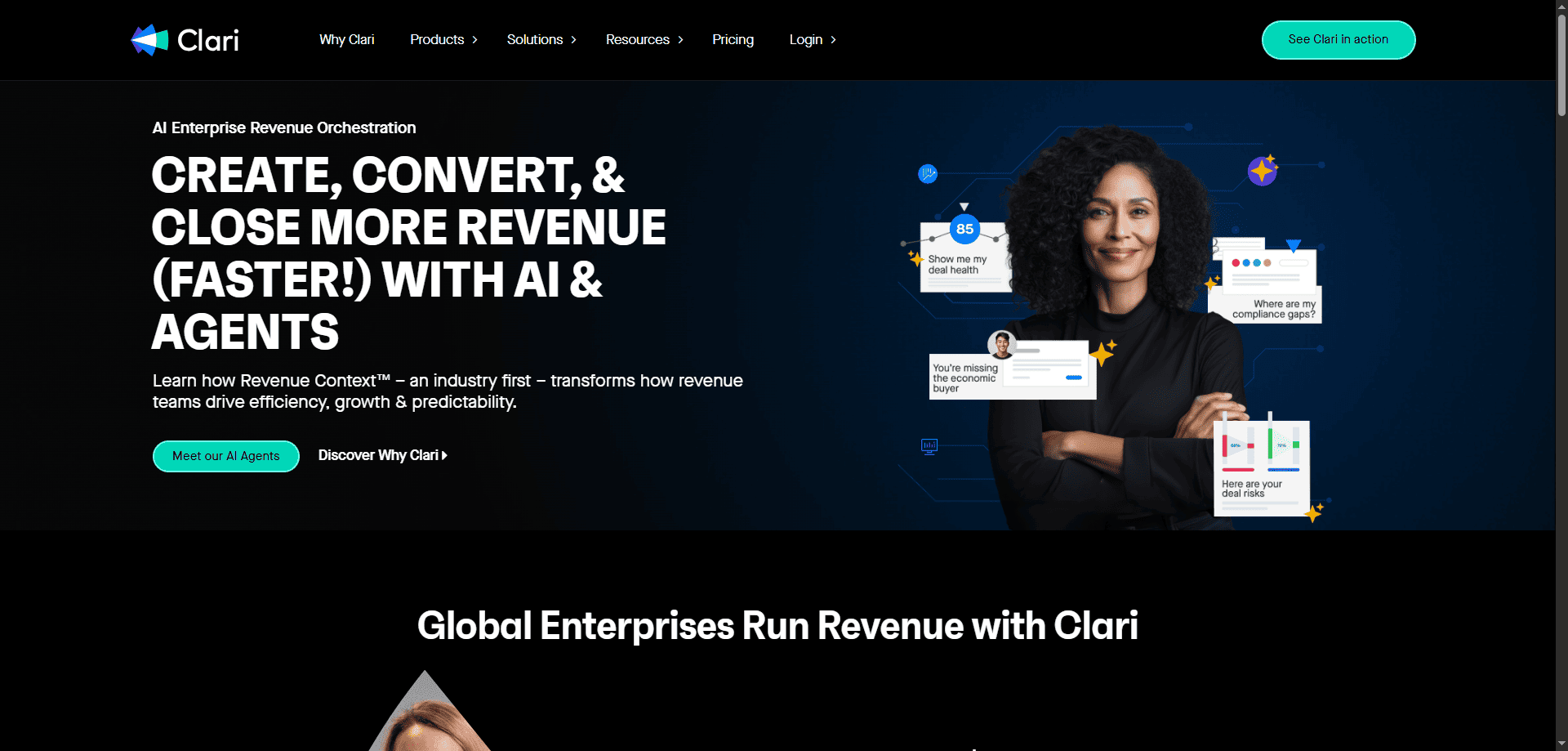
Clari Groove: best for Salesforce engagement with forecasting context

Clari Groove is a strong fit for Salesforce-heavy enterprise teams that want engagement data close to forecasting and pipeline inspection.

ai for sales forecasting from Clari

Groove is Salesforce-native, so rep activity gets captured directly in Salesforce instead of sitting in a separate engagement database with another sync layer on top. Reps can run email, call, and LinkedIn cadences, while leaders connect that activity with Clari’s revenue platform for forecasting, deal inspection, and pipeline health.

This setup works best when Salesforce is already the center of the revenue process and governance matters more than quick outbound setup. The tradeoff is that Groove doesn’t give you a built-in B2B database, native intent data, or an autonomous AI SDR workflow, so teams focused on new pipeline generation may still need other prospecting and outreach tools.

Key features

  • Salesforce-native architecture: Captures engagement activity directly in Salesforce.
  • Sales engagement workflows: Supports email, call, and LinkedIn cadences.
  • Activity capture: Logs rep touchpoints without manual CRM updates.
  • Clari forecasting integration: Connects engagement activity with pipeline inspection and revenue prediction.
  • AI assistants: Helps draft emails, summarize activity, and recommend next steps.
  • Analytics dashboards: Tracks cadence performance, activity, and pipeline context.

Pricing

Clari does not publish standard pricing for Groove. Pricing is quote-based and depends on modules, team size, contract scope, and whether Groove is bundled with the broader Clari revenue platform.

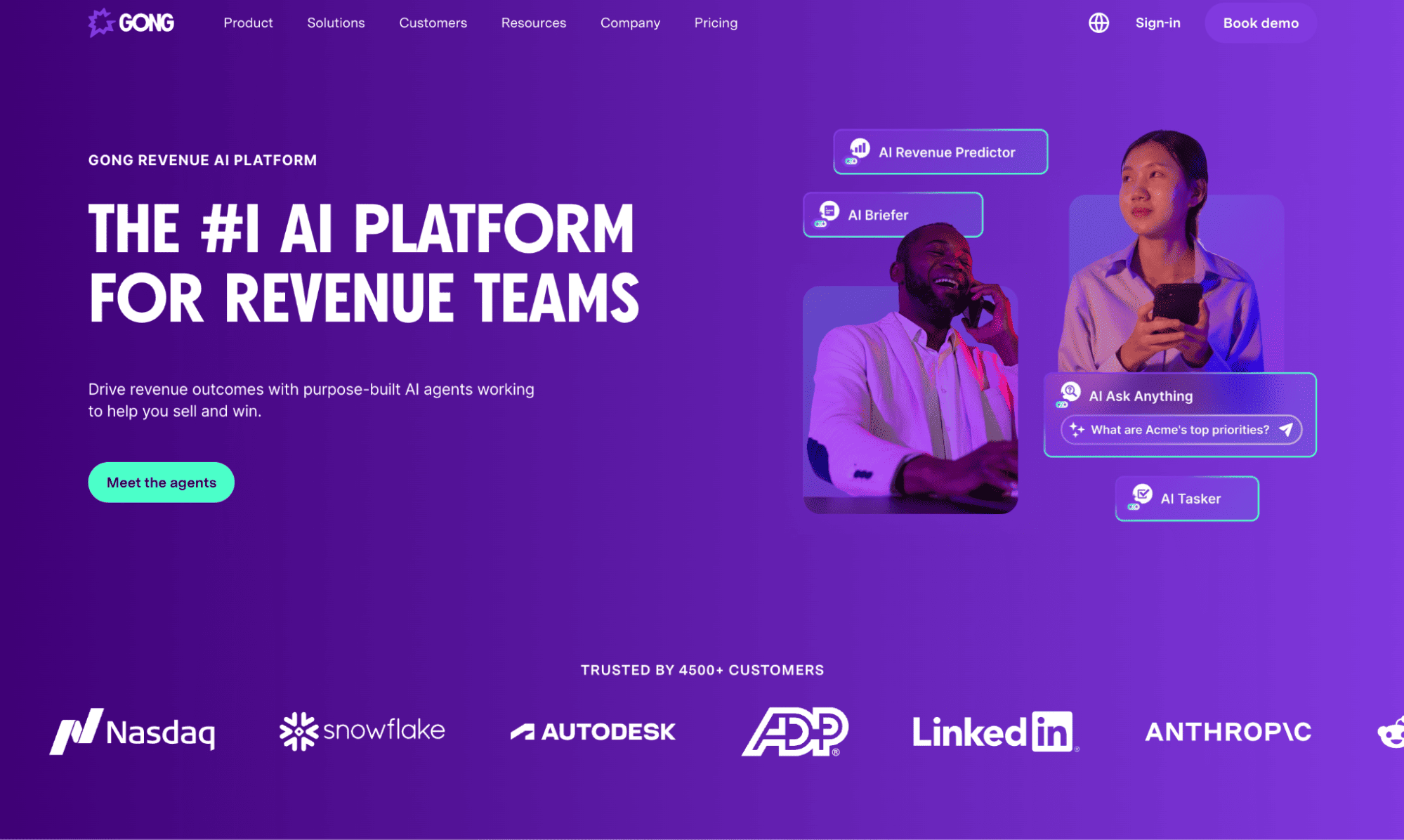
Gong Engage: best for conversation-led follow-up

Gong Engage is best for teams that want outreach and follow-up shaped by call recordings, deal history, and conversation intelligence.

Gong as a sales acceleration software

Gong’s main strength is capturing and analyzing sales conversations. Engage brings that context into rep workflows, helping teams write follow-ups, manage outreach activity, and act on deal signals based on what actually happened in calls and buyer conversations. Gong’s Deal Likelihood Score can also help teams understand which opportunities are more likely to close based on historical patterns and engagement signals.

For post-call follow-up and deal execution, the context is valuable. For pure outbound prospecting, Gong Engage is less focused than platforms built around prospect data, sequencing, deliverability, AI reply handling, and meeting booking. It works best when conversation intelligence is already central to how the revenue team operates.

Key features

  • Conversation intelligence: Records and analyzes sales calls for objections, competitors, and buyer themes.
  • Gong Engage: Supports outreach and follow-up based on conversation context.
  • AI email composer: Drafts follow-ups using deal and call history.
  • Ask Anything AI: Answers natural-language questions across calls, accounts, and deals.
  • Deal Likelihood Score: Shows relative deal health and close likelihood.
  • Forecast support: Connects conversation and deal signals with pipeline visibility.

Pricing

Gong doesn’t publish standard pricing. Quotes are custom, and Deal Likelihood Scores require Gong Forecast access.

Revenue.io: best for call-first sales engagement

Revenue.io is a good fit for Salesforce-based sales teams that rely heavily on calls and want real-time guidance during live conversations.

RingDNA (now Revenue.io) - dialer ai

Its Moments feature gives reps AI-powered prompts during calls, helping them respond to objections, follow talk tracks, and keep conversations aligned with the playbook. Revenue.io also brings together a Salesforce-native dialer, guided selling workflows, conversation intelligence, call recording, coaching, and activity capture.

That makes it useful when phone execution, rep coaching, and Salesforce data hygiene are the main priorities. The limitation is top-of-funnel coverage. Revenue.io is not a native prospecting database, and it’s built specifically for Salesforce teams. If the goal is to find new contacts, run broader multichannel outreach, personalize at scale, and book meetings from one outbound platform, Reply.io covers more of that workflow natively.

Key features

  • Moments: Gives reps real-time coaching prompts during live calls.
  • Salesforce dialer: Supports click-to-dial, call logging, and phone workflows inside Salesforce.
  • Guided selling: Shows reps the next best action across sales cadences.
  • Conversation intelligence: Records, transcribes, and analyzes sales calls.
  • AI coaching: Helps managers spot rep coaching opportunities.
  • Revenue dashboards: Tracks activity, call outcomes, and pipeline execution in Salesforce.

Pricing

Revenue.io uses custom pricing based on seat count, package, and team setup. The platform is built for Salesforce sales teams and does not publish a standard list price.

Smartlead: best for mailbox scaling and deliverability

Smartlead is built for teams and agencies that run cold email at volume and need strong mailbox infrastructure.

The platform supports unlimited mailboxes, email warmup, mailbox rotation, a master inbox, inbox placement testing through SmartDelivery, and domain/mailbox setup through SmartSenders. SmartServers can also provide dedicated sending infrastructure for teams that want more control over reputation and deliverability.

So Smartlead is a good choice when email is the main outbound channel and the priority is scaling sending volume across many inboxes. The tradeoff is channel coverage. Smartlead is not a full enterprise outreach platform with native B2B data, LinkedIn, calls, SMS, WhatsApp, or an AI SDR that can manage the full outbound motion. Compared with Reply.io, it is stronger as cold email infrastructure than as an end-to-end pipeline generation system.

Key features

  • Unlimited mailboxes: Connects and rotates multiple inboxes for cold email scaling.
  • Email warmup: Builds sending history before campaigns scale.
  • Mailbox rotation: Spreads sending volume across connected accounts.
  • SmartDelivery: Tests inbox placement before campaigns go live.
  • SmartSenders: Helps buy and configure domains and mailboxes.
  • SmartServers: Provides dedicated sending infrastructure for more deliverability control.
  • Master Inbox: Centralizes campaign replies across inboxes and workspaces.

Pricing

Smartlead starts at $39/month for Base, then moves to $94/month for Pro, $174/month for Unlimited Smart, and $379/month for Unlimited Prime. Annual billing usually brings the monthly equivalent down by about 17%.

Build enterprise outreach around the pipeline goal

The right enterprise outreach platform depends on what your team actually needs to fix. Some tools are better for CRM governance, forecasting, or revenue workflows, while others are built mostly for high-volume email infrastructure.

If the priority is creating new pipeline at scale, Reply.io gives sales teams the core outbound stack in one place: B2B data, enrichment, multichannel sequences, AI personalization, deliverability tools, reply management, analytics, and Jason AI.

Start your free Reply.io trial and start building your enterprise outreach engine that turns target accounts into qualified meetings, at scale. 

Frequently asked questions

What is an enterprise outreach platform?

An enterprise outreach platform helps large sales teams manage outbound prospecting, sequencing, personalization, follow-up, reply handling, reporting, and CRM sync at scale. The stronger platforms also add AI automation, deliverability controls, team management, and analytics so outreach stays consistent across many reps.

What should I look for in an enterprise outreach platform with AI automation?

Look for AI that improves the actual sales workflow, not just email copy. The useful features are usually prospect research, AI personalization, sequence generation, reply handling, lead qualification, meeting booking, deliverability tools, CRM integrations, permissions, reporting, and enough structure for a larger sales team.

How is an AI SDR different from a traditional sales engagement platform?

A traditional sales engagement platform helps reps run sequences and manage tasks. An AI SDR can take on more of the outbound workflow, including lead sourcing, account research, message personalization, reply handling, qualification, and meeting booking, while reps step in for the conversations that need more judgment.

Which enterprise outreach platform is best for cold email at scale?

Smartlead and Instantly are strong options when the workflow is mostly high-volume cold email. Reply.io is a better fit when the team needs cold email plus LinkedIn, calls, SMS, WhatsApp, B2B data, AI personalization, reply management, deliverability tools, and meeting booking in one platform.

Do enterprise sales teams need multichannel outreach?

Yes, because enterprise buyers rarely respond through one channel only. Email, LinkedIn, calls, and other touchpoints work better when they sit inside one coordinated sequence with clear timing, context, follow-up rules, and reply routing.

Subscribe to our blog to receive the latest updates from the world of sales and marketing.
Stay up to date.

Related Articles

What’s New in Reply: Pre-Warmed Domains, Agentic Chat, LinkedIn Enrichment, and More

What’s New in Reply: Pre-Warmed Domains, Agentic Chat, LinkedIn Enrichment, and More

What’s New in Reply: Pre-Warmed Domains, Agentic Chat, LinkedIn Enrichment, and More
AI for Improving Your GTM Operations in 2026: No BS Guide

AI for Improving Your GTM Operations in 2026: No BS Guide

AI for Improving Your GTM Operations in 2026: No BS Guide
Lead Generation for Startups in 2026: How to Get Leads Fast

Lead Generation for Startups in 2026: How to Get Leads Fast

Lead Generation for Startups in 2026: How to Get Leads Fast