
How to Use Reply.io + Jason for B2B Demand Generation in 2026

How to Use Reply.io + Jason for B2B Demand Generation in 2026

B2B demand generation doesn’t start with finding prospects, adding them to outreach campaigns, or pushing for immediate conversions.

You first need to create relevance, figure out where demand may already be forming, engage the right people at the right moment, and create a structured way to turn that interest into qualified conversations, booked meetings, or closed deals before someone else gets there first.

And that takes a lot more than good content, inbound forms, or basic outbound. You also need accurate data, signal-based targeting, coordinated multichannel outreach, AI personalization, and an automated system that keeps the whole thing running over time, even as you scale. 

That’s exactly where Reply.io and Jason AI come into play.

What is B2B demand generation in 2026?

First things first, let’s avoid any confusion. B2B demand generation is the process of creating awareness, interest, and trust with the right buyers, and then turning that attention into booked meetings and revenue over time.

It covers everything that happens before and around lead capture, most notably: educating the market, reaching the right accounts, building familiarity, spotting buyer intent, nurturing interest, and helping sales start better conversations from the very start.

The catch? Demand gen has become a lot more complex as buyers do their own research, compare vendors before they ever talk to sales, bounce across channels, and often show interest long before they fill out any form.

So a strong B2B demand generation strategy in 2026 needs two equally important parts:

  • Demand creation → building awareness, trust, and relevance with the right audience
  • Demand capture → identifying high-fit accounts already showing intent and engaging them before the opportunity cools off

That second part is where a lot of teams fall short. They may be publishing solid content, running effective ad campaigns, and generating traffic, but still missing the signals sitting underneath it all — website visits, LinkedIn engagement, hiring activity, tech changes, competitor research, or account-level activity from companies that fit their ICP.

Modern demand generation is really all about converting those signals into action, fast.

Convert Competitors` Fans Into Hot Leads

Stop chasing cold leads.
Start talking to people who already want what you sell.

Your competitors’ followers?
They know the problem. They’re paying attention.
Some are even looking for something better, right now.

This playbook shows you exactly how to turn them into hot leads:

→ Find and pull competitor followers in minutes
→ Clean, segment, and enrich your list for max fit
→ Launch outreach that’s personal, not pushy
→ Automate follow-ups so no lead slips away

Example of an effective B2B demand generation workflow

An effective B2B demand generation workflow should function like a full-funnel system, not some one-off campaign you launch and forget about.

The main goal is to create real interest, detect where that interest may already exist, and move the right buyers toward a more sales-ready conversation with coordinated touchpoints.

A practical B2B demand generation workflow may look something like this:

  • Define your ICP based on company size, industry, geography, revenue, tech stack, growth stage, and likely pain points

  • Map the buying committee so you know which decision-makers, influencers, and end users actually need to be involved (in B2B, it’s rarely 1 person making the purchase)

  • Identify demand triggers such as active hiring, increased funding, expansion, leadership changes, new tools, website visits, content engagement, competitor interest, or other relevant intent signals

  • Create valuable demand assets like blog posts, lead magnets, webinars, comparison pages, case studies, and educational LinkedIn content

  • Launch multichannel outreach across email and LinkedIn, and optionally add calls and messengers, depending on your audience, to create coordinated touchpoints

  • Measure pipeline impact by tracking top-performing demand sources, positive replies, meetings booked, SQLs, opportunities created, and conversion rates

Without the right software, such workflows become virtually impossible to effectively manage with the right consistency, relevance, and timing. Luckily, there are some great platforms that can help you build and fully automate your B2B demand generation. 

What is Reply.io and Jason AI?

Any effective B2B demand generation workflow needs the right software behind it. Otherwise, things get messy fast, with scattered lists, disconnected tools, weak personalization, inconsistent follow-ups, and very limited visibility into what’s actually generating pipeline.

Reply.io is an AI-powered sales engagement and lead generation platform that helps your team find interested prospects, launch multichannel outreach campaigns, fully automate outreach, and book meetings. 

It combines a lead database with over 1 billion contacts and accounts, along with built-in email validation, enrichment, and intent signals to help you identify demand and prioritize the right leads. Reply then launches AI-powered outreach sequences across email, LinkedIn (connection requests, messages, profile views, etc.), as well as calls, SMS, and WhatsApp. Each email, follow-up, and LinkedIn message is highly personalized with AI based on all the uncovered data.

Jason AI is Reply’s very own AI sales agent. After learning everything about your product and sales strategy, it helps define your ideal customer profile, and then starts finding targeted leads, researching prospects, launching tailored outreach campaigns, and even handling replies and booking meetings on your behalf. 

So to keep it simple, Reply gives you the platform, data, AI workflows, infrastructure, and control, and Jason AI is the AI sales agent that helps execute the work within that system on your behalf. 

Together, they give teams a more complete AI demand generation engine, one that covers discovery, engagement, personalization, conversion, and analytics in one place.

How to use Reply.io + Jason for B2B demand generation in 2026

Once again, the real goal of B2B demand generation is to build a structured and scalable system that identifies the right accounts, understands why they care at this very moment, uses that context to start meaningful conversations, and turns active demand into qualified conversations.

Here’s how to do it with the right software support by your side:

Start with your ICP and demand priorities

Pretty straightforward, but B2B demand generation begins with deciding where demand is actually worth creating in the first place.

Before setting up processes to generate leads or building outreach campaigns, you need to define what a qualified account looks like specifically for your product and industry. 

There’s no need to overcomplicate your ICP either, but it should include:

  • company size, industry, and geography, revenue range, existing tech stack, growth stage, buying triggers, target roles, common pain points (across those roles)

In 2026, timing is just as important as precision. You need to decide on the most relevant intent signals that highlight which prospects/accounts are interested in your offering at this very moment. Some of the most common B2B signals include:

  • active hiring, new funding, market expansion, product launch, competitor usage, website visit, LinkedIn engagement, or rapid team growth

A company can match your ICP perfectly and still have no real reason to care today. Another one may be a less precise ICP fit, but visiting your high-intent web pages or engaging with competitor content.

That second company may be the better demand capture opportunity.

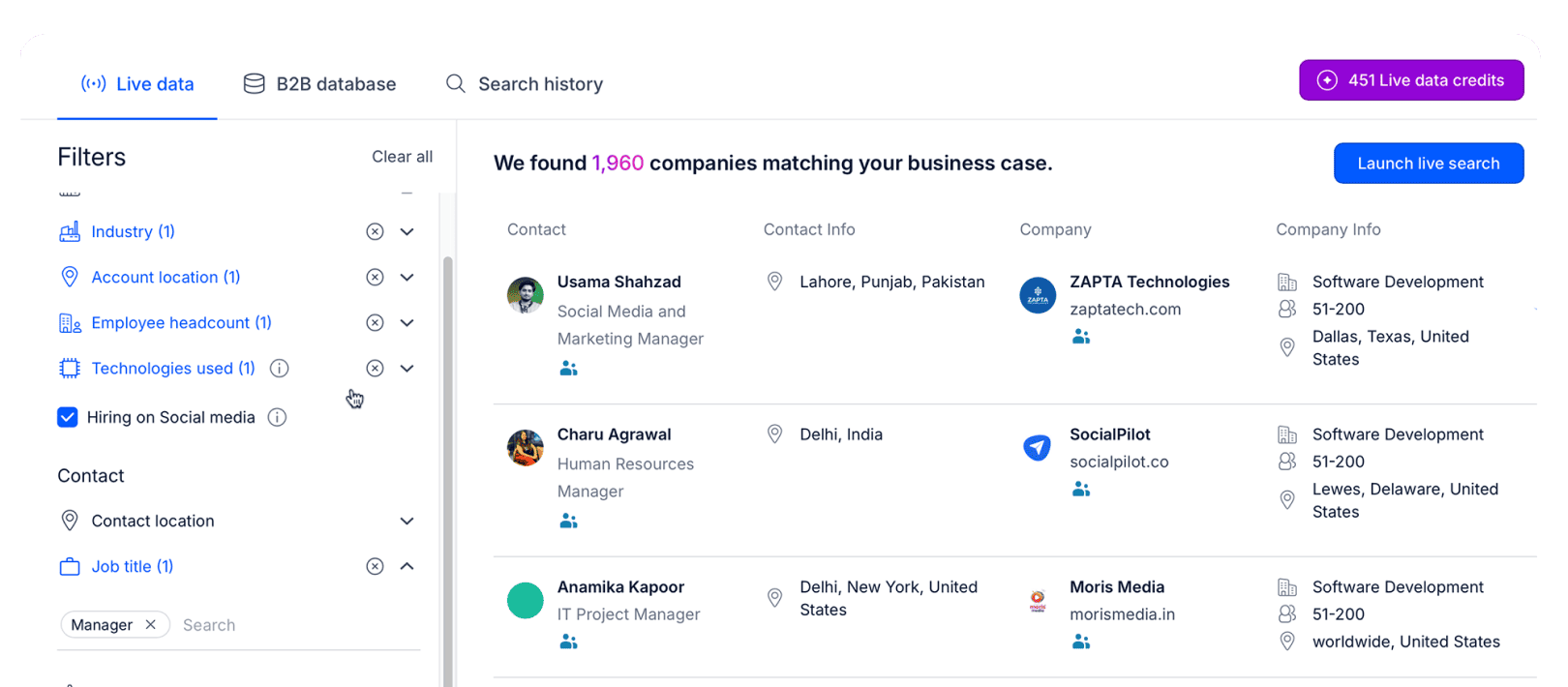
This is already where Reply.io can help, offering a native lead database with over 1 billion contacts and companies across industries and locations, along with advanced search filters and B2B intent signals like technologies used, hiring on social media, and more.

data in Reply.io as an extra to your personal CRM

Once you’ve found accounts showing demand, you can then enrich those leads with additional context and validate all email addresses right away. Now, you have a list of targeted leads showing signs of potential interest, and enough context to make every email and LinkedIn message relevant. 

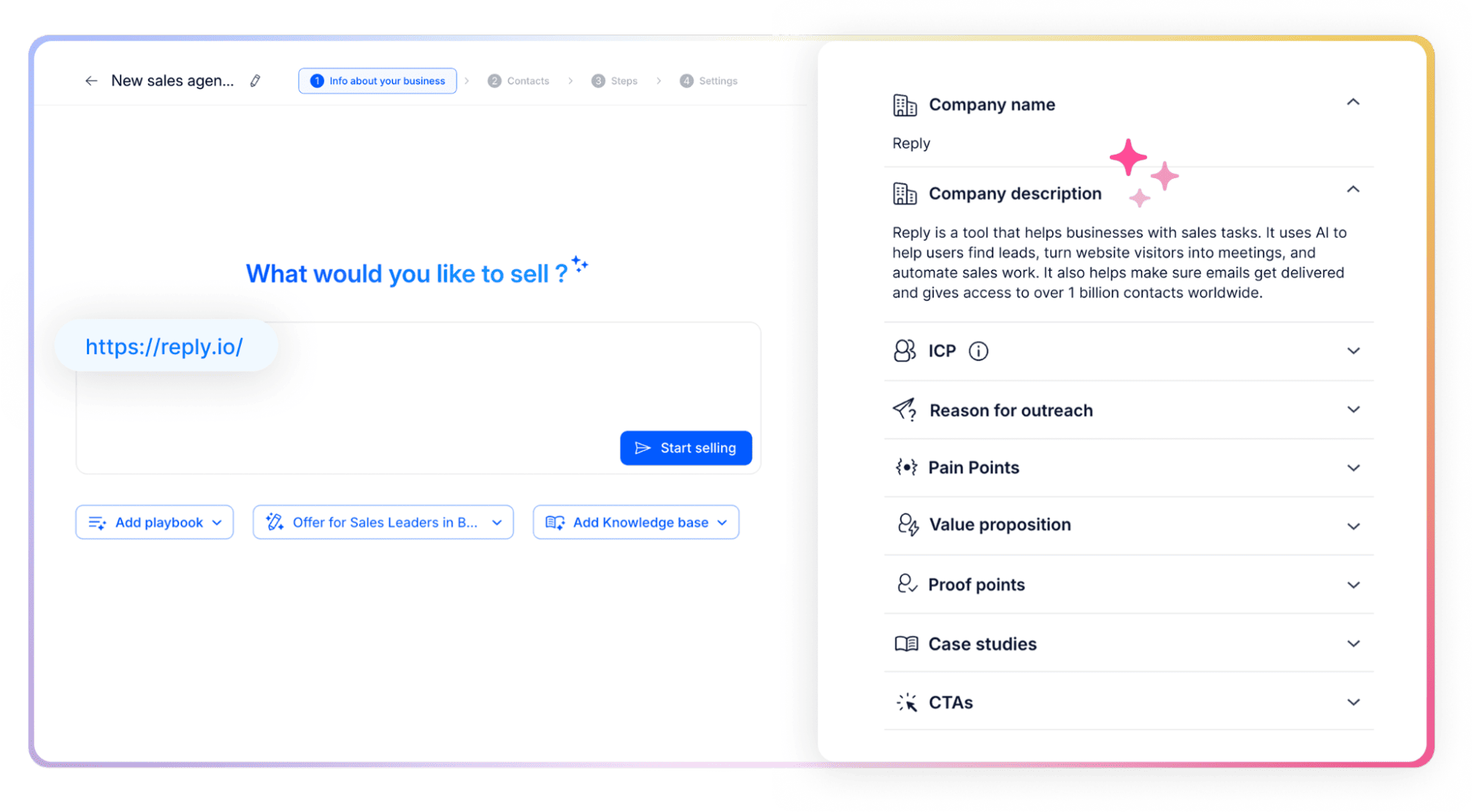
If you decide to also “hire” Jason AI, this gets even easier. Jason first learns everything about your business, product, and value proposition, and then helps you define the ICP (and he knows what he’s talking about, since he’s built on billions of sales datapoints!). 

From there on, Jason autonomously looks for targeted leads that match your ICP and show signs of demand, validates their emails, and enriches their profiles with additional context from LinkedIn, company websites, and more. 

Capture existing demand through inbound channels 

Once your ICP is clear and you can pinpoint where demand is worth creating, the next step is figuring out where existing demand may already be forming.

The reality is that only a chunk of prospects that are potentially interested in your product will channel their demand and book a demo. 

Instead, someone reads three blog posts, checks a comparison page, visits pricing, engages with a LinkedIn post, or comes back to your website multiple times from the same company — and still never fills out any form or reaches out to speak to sales.

So even with your outbound on lock (more on that shortly), if your team only reacts to explicit inbound triggers like form submissions or demo requests, you’re missing a big part of the buying journey.

Modern B2B demand capture is about identifying those signals earlier and acting on them fast.

Both Reply.io and Jason AI can identify relevant intent signals, as previously discussed, in order to identify accounts that are most likely to have demand for your product or service. 

The products also come with website visitor identification to capture inbound leads that, for instance, repeatedly visit your pricing page or competitor comparison pages, so you can reach out to them while their interest is high.

Once it comes to outreach, there’s no need to reference their website activity. Instead, use that as information to understand their likely level of demand. 

Because once a potential lead visits your webpage, Reply will capture that lead, and then enrich their profile with additional context — and that’s what you can use to craft personalized and relevant messages (or let Reply’s AI do it for you). 

Build multichannel outreach that creates conversations

B2B demand generation rarely happens through a single touchpoint.

A prospect may ignore the first email, notice your LinkedIn profile later, read a follow-up a week after that, and only reply once the timing finally makes sense in their timeline.

That’s exactly why multichannel outreach is such an important part of modern demand generation, and that’s exactly where both Reply and Jason truly shine. 

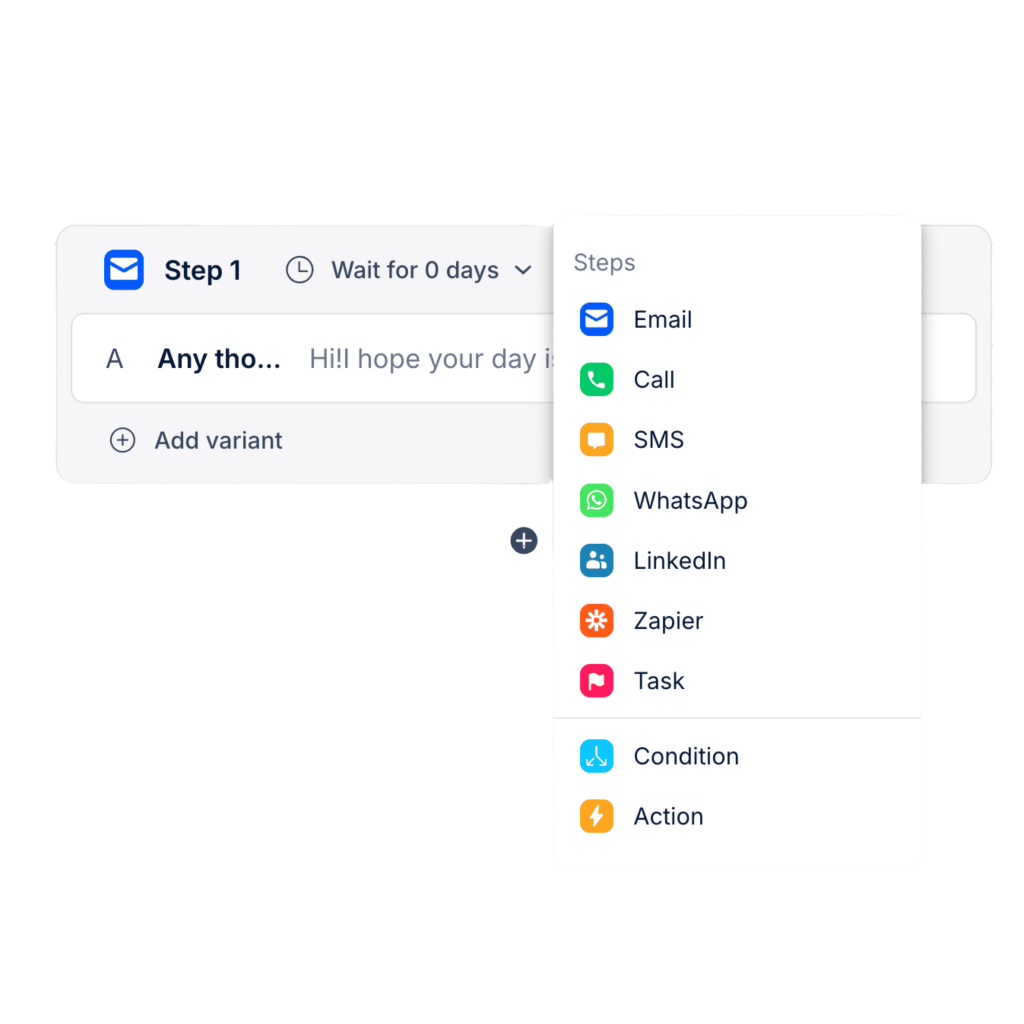
Reply.io helps teams build coordinated sequences across email, LinkedIn (connection requests, messages, profile views, and more), calls, SMS, WhatsApp, and other workflow steps. Its AI engine works around the clock to match the right channel to each buyer and their current stage of demand. 

Email works well for scalable, structured value propositions, LinkedIn is best for lighter engagement and social proof, and calls are best for accounts showing strong signs of demand.

Whether you decide to build them on your own or let Reply’s AI create them for you, it’s as simple as adding your preferred channels and spacing all the different touchpoints: 

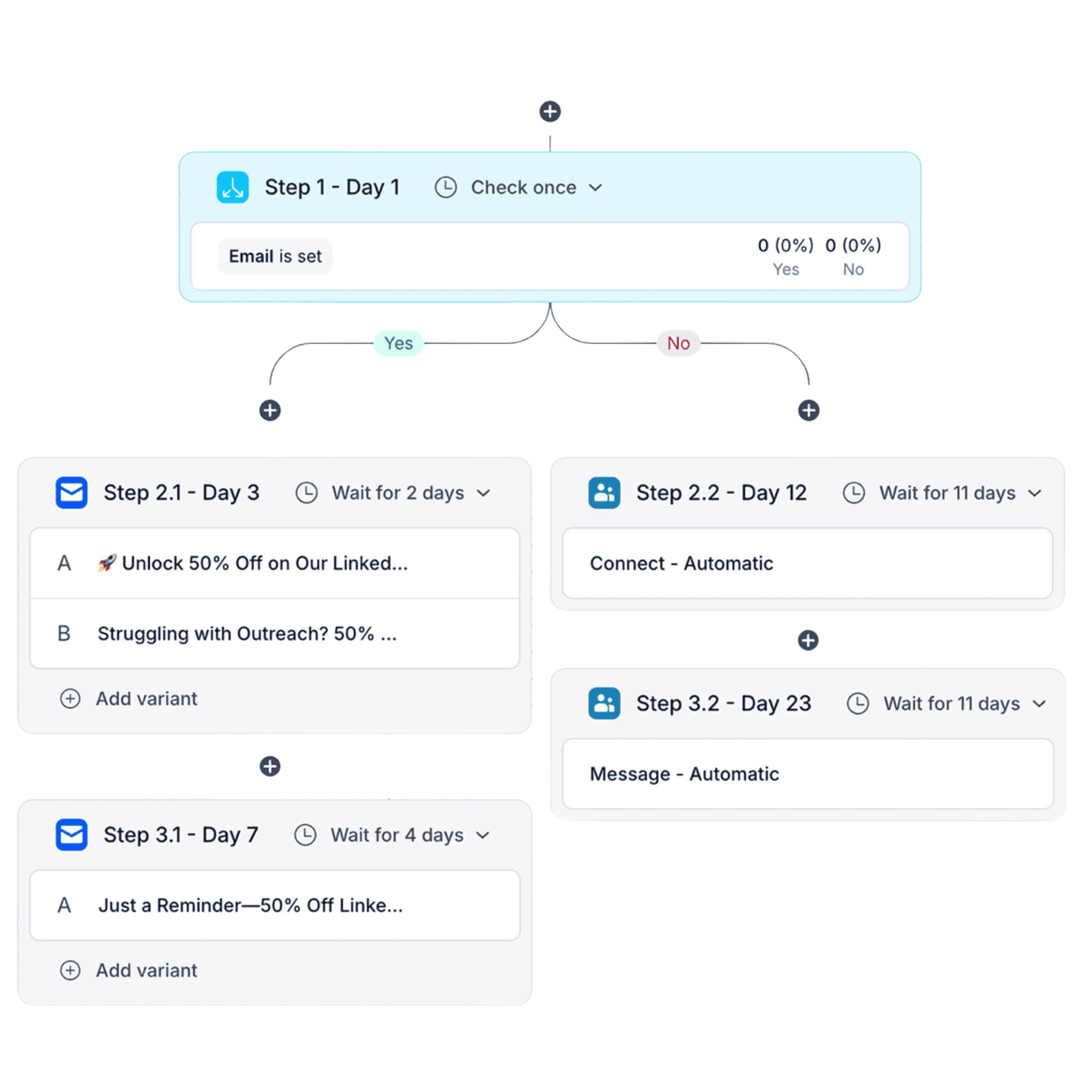
What really sets Reply apart is that your sequences follow conditional logic, so they stay dynamic and adjust in real-time based on your leads’ actions and data. 

To put this into perspective, you could set a condition that if your initial email isn’t opened within 4 days, Reply launches an automated LinkedIn connection request. Once accepted, Reply will then automatically craft a personalized LinkedIn message and cancel the scheduled email follow-up, and so on.

Jason AI follows the same conditional logic for email and LinkedIn, where it autonomously analyzes each account to understand the level of demand and determine the best channel mix, conditions, and timing, while adjusting each sequence in real-time. 

The real value of multichannel outreach is to stay consistent without feeling repetitive — each touchpoint should be based on the most recent and relevant context, and add something new, whether that’s a sharper angle, more context, a stronger reason to care, or an easier next step.

Use AI personalization without losing relevance

One of the fastest ways to lose a prospect showing signs of demand is to send them a generic, irrelevant, and mistimed message.

Dropping in a first name, company name, or generic compliment isn’t really personalization. Instead, it takes connecting the prospect’s current level of demand, signs of interest, and other uncovered context to a relevant business problem.

The problem here is that crafting such personalized messages is simply not sustainable when you’re dealing with hundreds or even thousands of leads. 

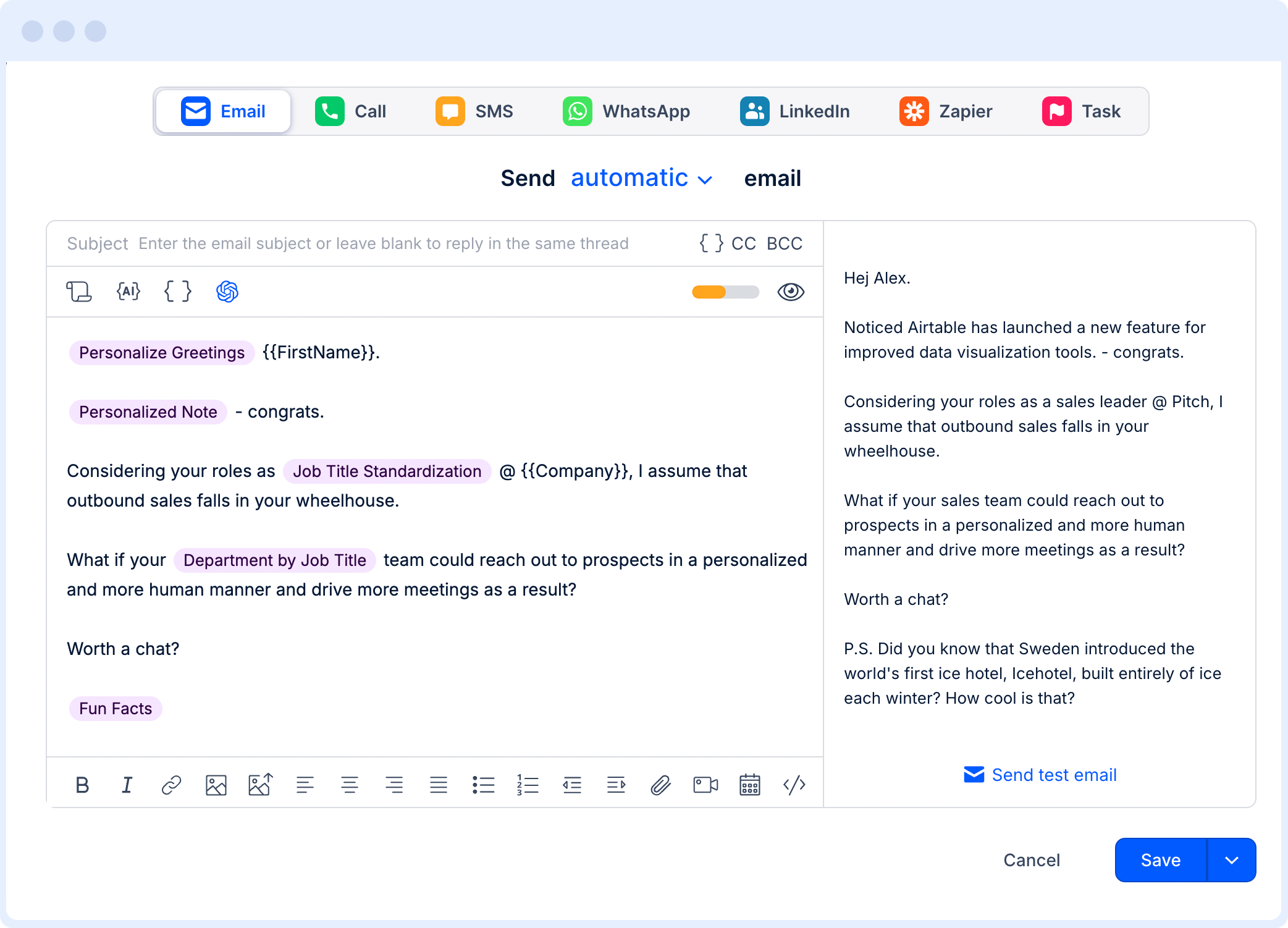
With an AI-powered platform like Reply.io or an AI sales agent like Jason AI, you can fully delegate your outreach while resting assured that every email, follow-up, and LinkedIn message is highly personalized, based on prospect/account data and uncovered signals of demand/interest.

Reply also supports AI personalization through its AI variables feature, where you can create your own branded outreach template with tons of custom variables, and Reply’s AI engine will then research each lead/company and fill in those gaps: 

AI personalization

When it comes to personalization with Jason AI, it first learns your offer, sales playbooks, knowledge base, tone, and any other instructions you may have to stay fully aligned with your brand voice and sales strategy. 

Jason then takes all the enriched data and intent signals uncovered to build entire outreach campaigns while personalizing every message, at scale. Oh, and it’s also multilingual in 50+ languages, which is a big plus for companies selling or expanding across different regions.

Let Jason handle replies, re-engagement, and meeting booking

When it comes to modern demand generation, speed is absolutely critical. Oftentimes, however, a prospect shows interest, replies come in, questions are asked, but nobody follows up quickly enough, and that interest shifts to one of your competitors. 

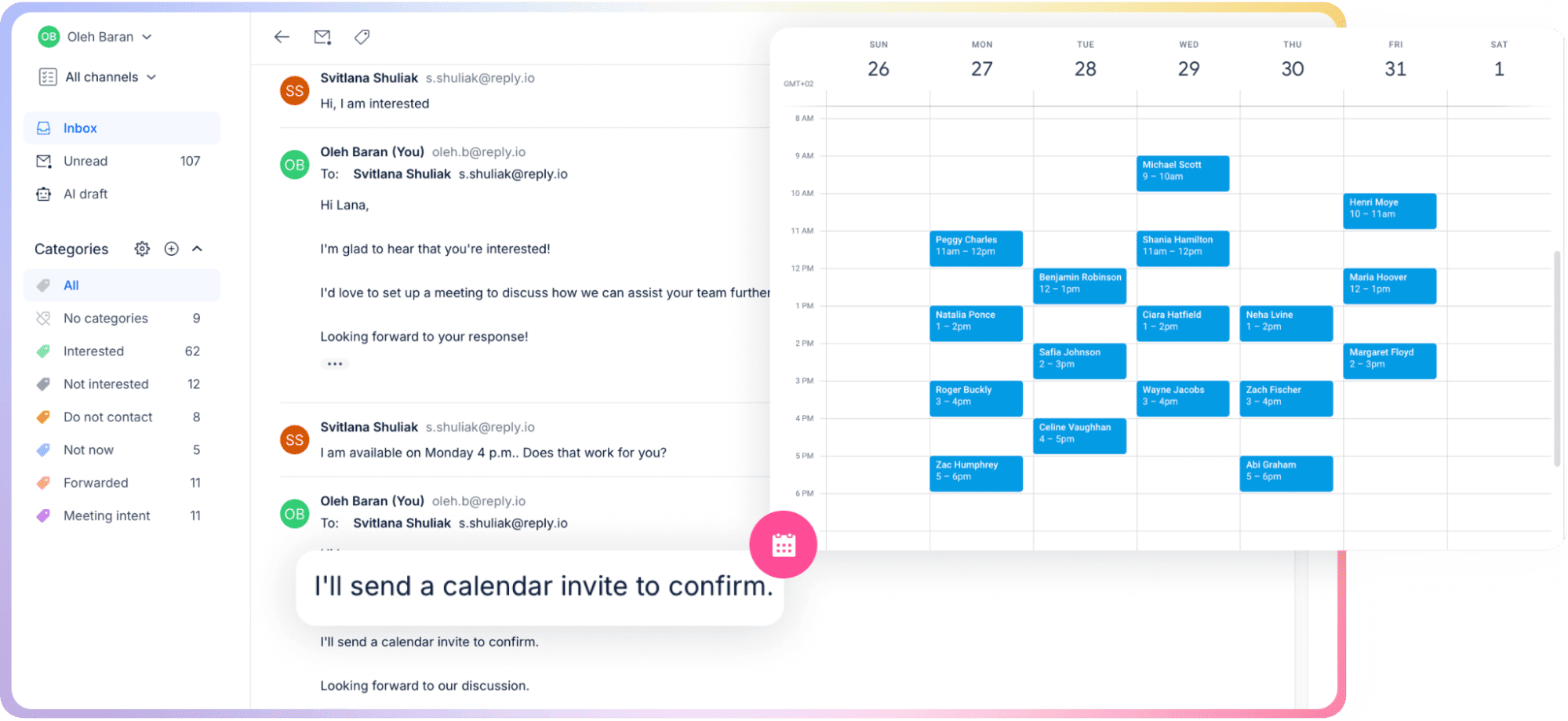
Jason AI helps reduce that leakage by handling incoming replies — answering questions and handling objections using your custom instructions, knowledge base, and tone guidelines, and even booking meetings on your behalf!

Book meetings automatically with Jason - multi-agent ai

Teams can choose how much control they want over this:

  • Approval mode gives you the chance to review all of Jason’s outreach messages or replies before they go live, which is perhaps best for strategic accounts, sensitive conversations, enterprise prospects, or regulated industries.

  • Autopilot mode lets Jason handle all replies, objections, and meeting bookings on his own, without human oversight. 

In short, having Jason AI on your team means having an AI sales agent that automates and executes the entire path from demand signals to qualified conversations and booked meetings, while you still maintain full visibility and control over its work. 

How to measure B2B demand generation performance

B2B demand generation shouldn’t be simply measured only by traffic, email opens, or MQL volume, as it used to be back in the day. 

Those numbers can be useful, sure, but they do not prove revenue impact. One campaign can generate plenty of engagement and still create no qualified opportunities, while another may look smaller on paper but produce better conversations with higher-fit accounts.

A stronger measurement system, therefore, looks at the full journey.

Useful awareness metrics include:

  • organic, branded, and direct traffic
  • LinkedIn engagement
  • content views
  • webinar attendance

Useful engagement metrics include:

  • website revisits, high-intent page visits
  • reply rates, positive reply rate
  • account engagement

Useful conversion and pipeline metrics include:

  • meetings booked
  • demo requests
  • MQL-to-SQL conversion
  • SQL-to-opportunity conversion
  • opportunities created
  • win rate
  • CAC
  • channel efficiency

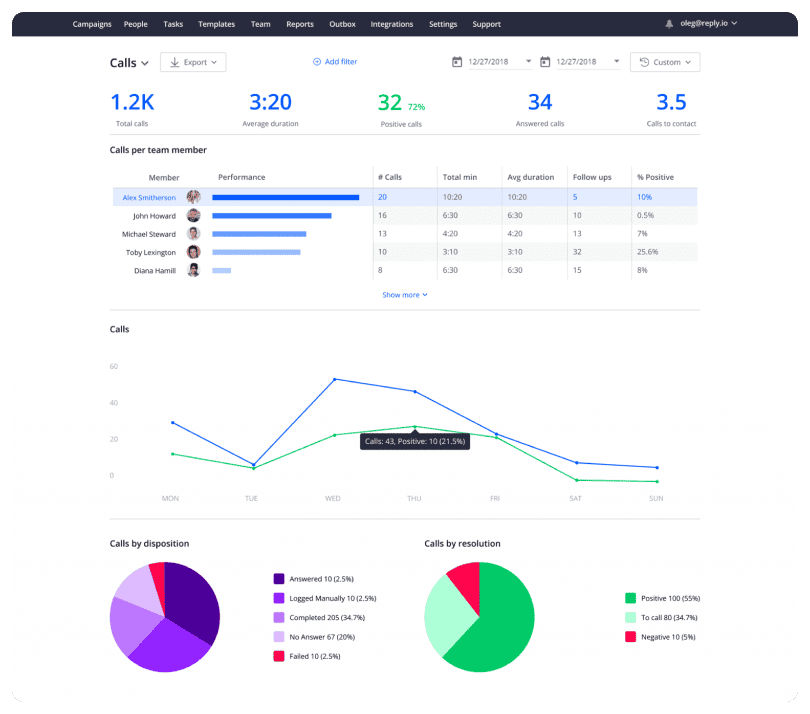
Reply.io helps you analyze the performance of your outreach and campaigns, as well as your team’s performance, making it much easier to see where the system is working and where it needs some tightening up.

But the real value comes from using that data to improve the workflow.

If replies are weak, the issue may be targeting, timing, personalization, offer, or deliverability. If replies are strong but meetings are low, the problem may be qualification, objection handling, or the CTA. If meetings are strong but opportunities are weak, your ICP or sales handoff may need work.

A simple improvement loop looks like this:

  1. Measure fit → are the right accounts entering the workflow?
  2. Measure engagement → are they responding or interacting?
  3. Measure conversion → are conversations turning into meetings?
  4. Measure revenue impact → are those meetings creating pipeline?

Then feed those learnings back into your ICP, Jason AI instructions, personalization rules, sequences, and overall B2B demand generation strategy.

That’s how the system gets sharper over time.

Build a smarter B2B demand generation engine

B2B demand generation in 2026 can only work when relevant data, intent signals, tailored outreach, personalization, and conversion all work together in a unified system. 

Without that system, inbound and outbound demand become very hard to manage. Teams often end up with disconnected campaigns, missed intent signals, inconsistent follow-ups, and weak visibility into what works and what doesn’t.

Reply.io helps teams build and manage the entire demand gen system, from picking up signs of demand to launching outreach, and Jason AI helps execute the work inside it, from ICP definition and lead sourcing to AI personalization, multichannel outreach, reply handling, re-engagement, and booking meetings.

With that setup, your team can create and capture demand more consistently, reach the right accounts at the right time, and turn more buyer interest into revenue.

Start your free 14-day Reply.io trial or book a Jason AI demo to see for yourself how they can help your team enhance and fully automate your sales workflows.

Subscribe to our blog to receive the latest updates from the world of sales and marketing.
Stay up to date.

Related Articles

How to Use Reply.io + Jason for Lead Generation for Software Companies in 2026

How to Use Reply.io + Jason for Lead Generation for Software Companies in 2026

How to Use Reply.io + Jason for Lead Generation for Software Companies in 2026
Top 12 GTM Outbound Sales Platforms to Try in 2026

Top 12 GTM Outbound Sales Platforms to Try in 2026

Top 12 GTM Outbound Sales Platforms to Try in 2026
What’s New in Reply: New API, AI Custom Fields, LinkedIn Enrichment, and More

What’s New in Reply: New API, AI Custom Fields, LinkedIn Enrichment, and More

What’s New in Reply: New API, AI Custom Fields, LinkedIn Enrichment, and More