
Modern software companies aren’t short on channels to generate leads.
The real problem is that most channels are now crowded, while buyers are more cautious and skeptical as they go through the buyer journey mostly on their own, and generic outreach has become incredibly easy to ignore.
In 2026, lead generation for software companies comes down to precision — sharper ICPs, cleaner data, better buying signals, and relevant and timely outreach. In the context of hundreds or thousands of leads, this becomes incredibly difficult to manage, let alone scale. Unless you have the right software by your side, that is.
In this guide, we’ll break down how software teams can use Reply.io and Jason AI to build, enhance, scale, and fully automate their lead generation system, from finding qualified leads to turning them into booked meetings.
What lead generation for software companies looks like in 2026
Lead generation for software companies is the process of identifying, attracting, qualifying, and converting potential buyers into sales conversations, demo requests, free trial users, or anything else your firm deems as “success”.
In the software industry, that process is rarely simple.
Buyers nowadays compare vendors, look at available integrations, check security requirements, consider the implementation effort, and even run the ROI math. In B2B, a single deal almost always involves multiple decision-makers, from end users and technical evaluators to finance, procurement, security, and leadership roles all at once.
The strongest software lead generation systems in 2026 blend inbound, outbound, product-led, and intent-based motions, while also separating leads by:
- MQLs → marketing-qualified leads who have shown interest, but aren’t necessarily ready for a sales conversation just yet.
- SQLs → sales-qualified leads who fit the ICP and show enough intent or relevance for direct outreach.
- PQLs → product-qualified leads who have already experienced value inside a trial, freemium plan, or through a meaningful product action.
As with any modern lead gen strategy, the goal isn’t to simply pile up more names in your CRM but to build a system that keeps turning the right prospects into qualified opportunities.
Example of an effective software lead generation workflow
A solid lead gen workflow always starts with market clarity, not by launching a campaign.
Before sending anything, software companies need to know exactly who they’re targeting, why that audience cares, what unique signal shows the timing is right, and how to capture those signals and turn them into timely outreach.
A practical workflow may look like this:
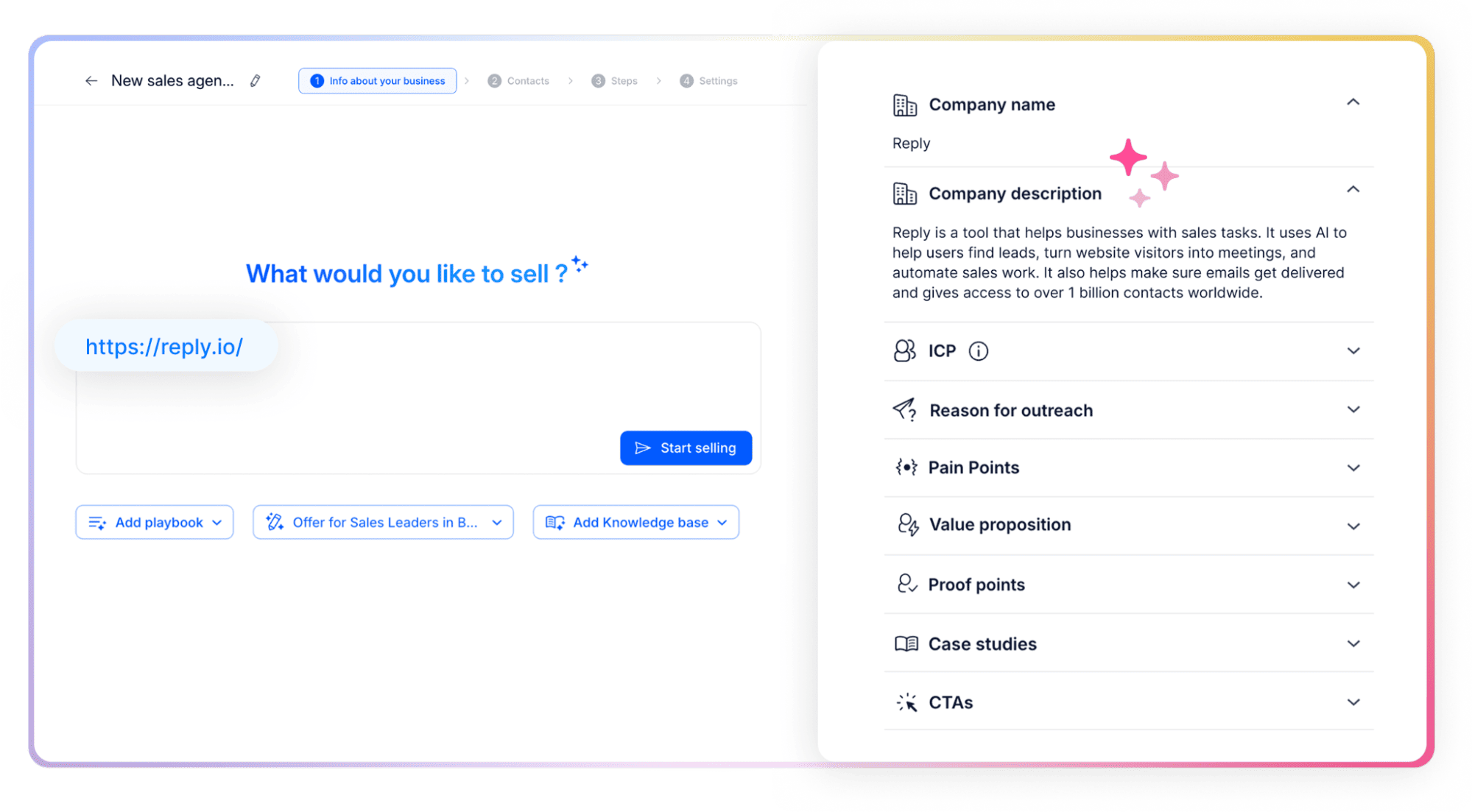
- Define the ICP by company type, size, stage, tech stack, role, pain intensity, geography, and buying trigger.
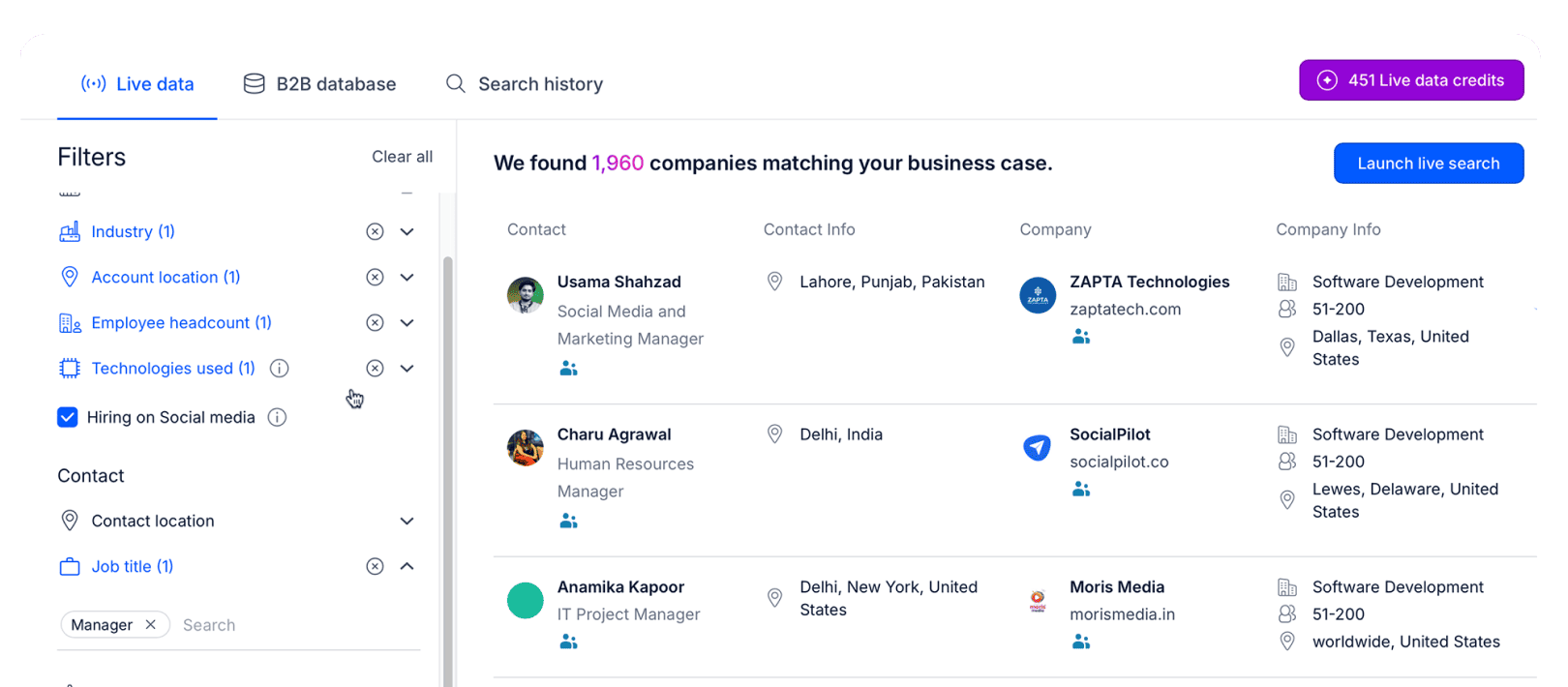
- Identify accounts and contacts using firmographic, technographic, role-based, and intent-based data.
- Segment leads by use case, persona, maturity level, and urgency.
- Research each account for additional enriched context, find the key decision-makers within those firms, and then source and validate their email addresses.
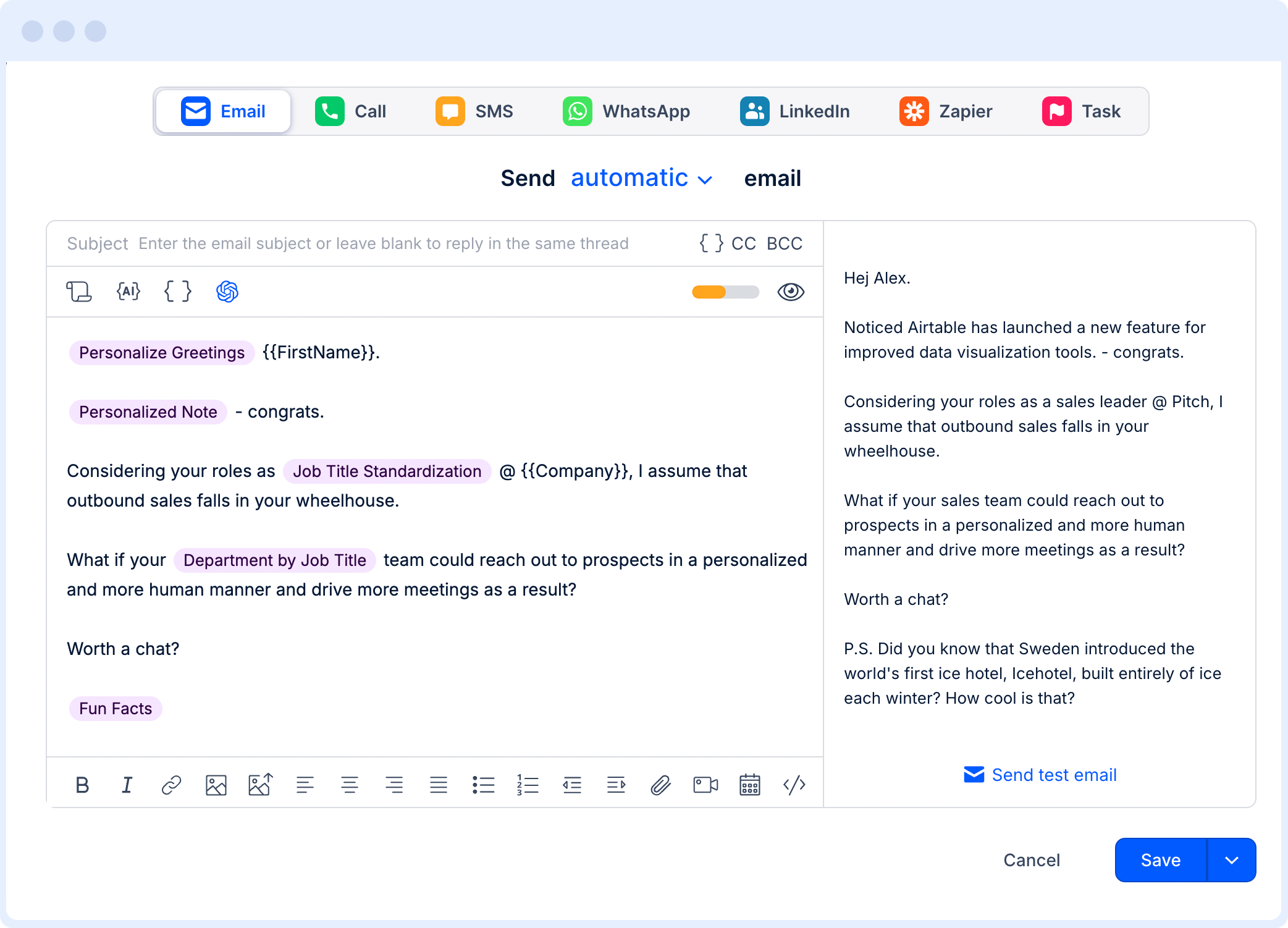
- Build personalized outreach around the prospect’s likely problem, not just your product features.
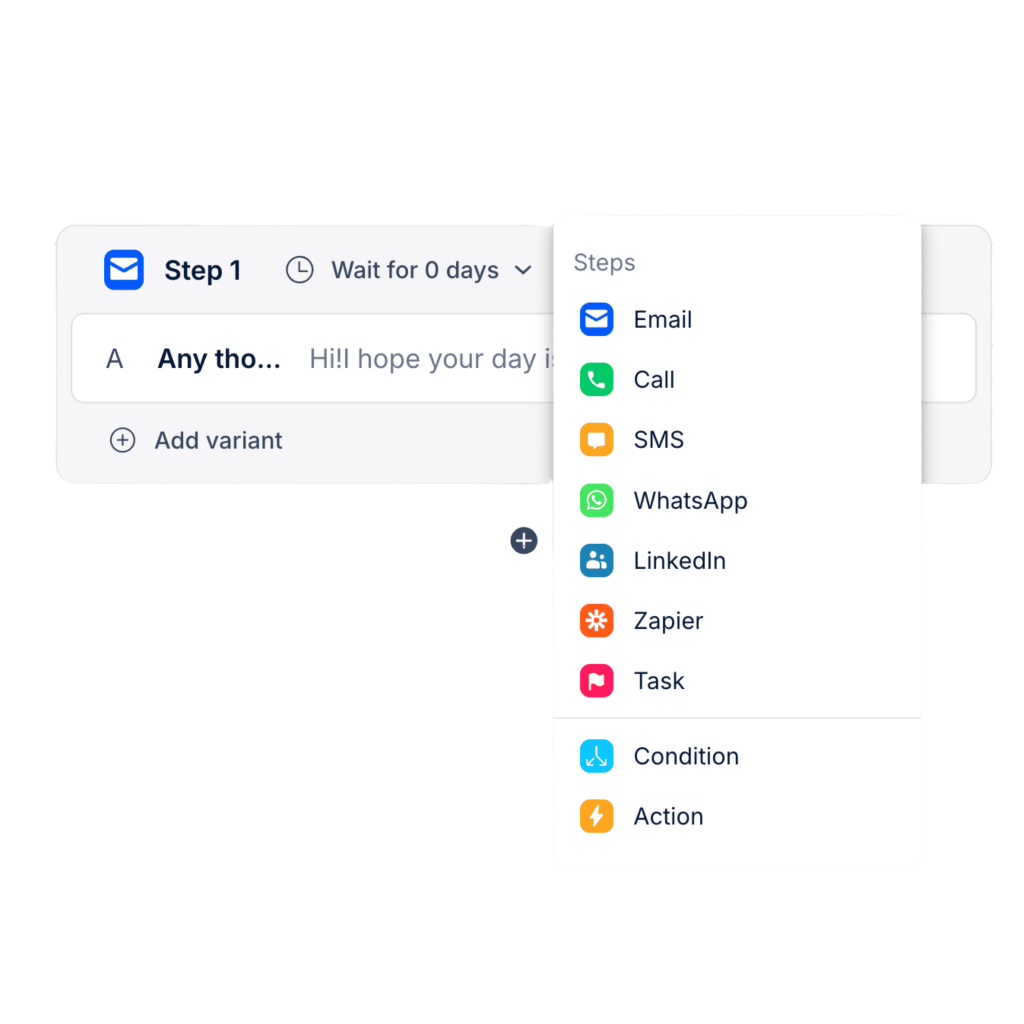
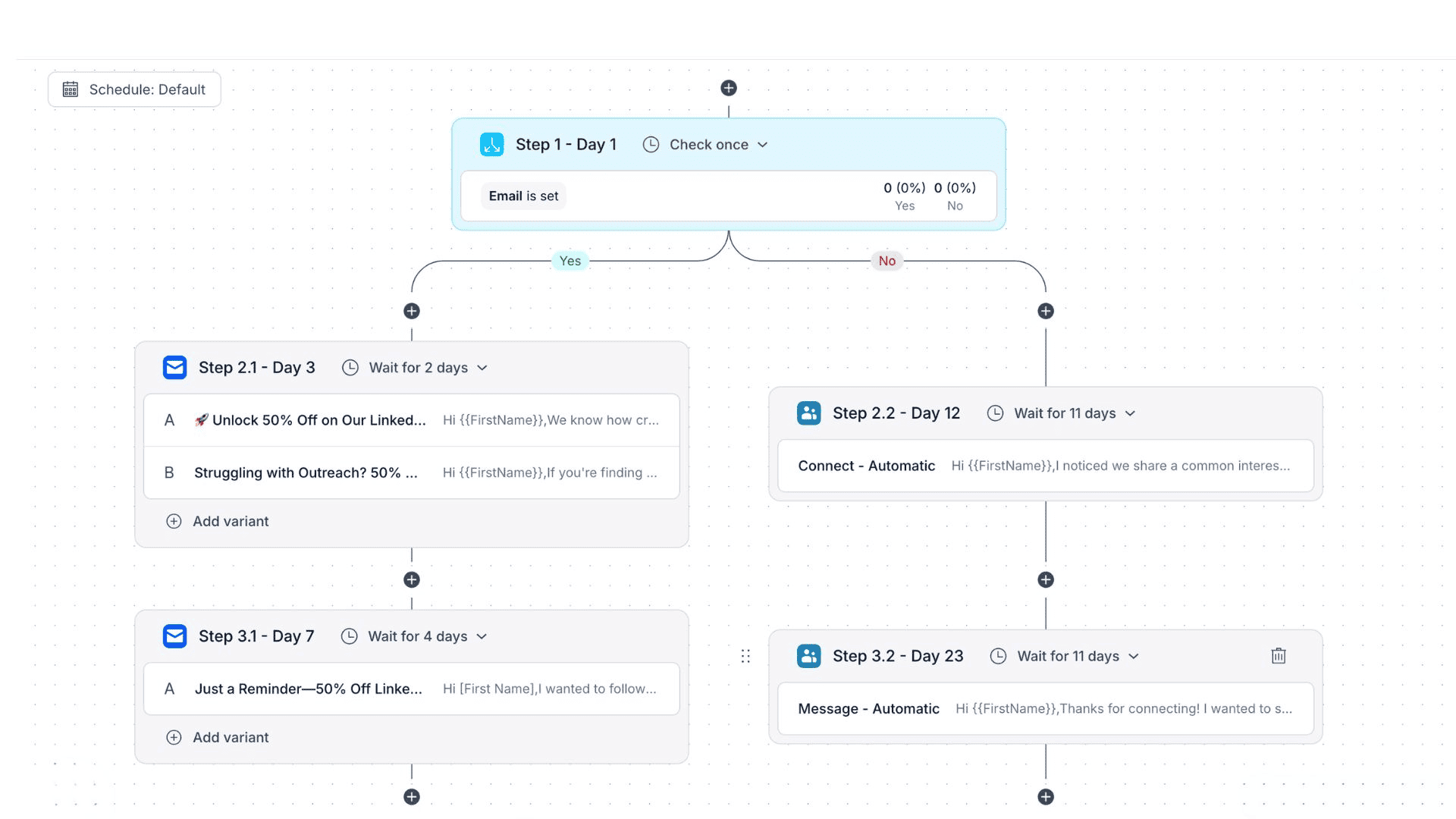
- Launch coordinated multichannel sequences across email and LinkedIn, and then add calls, SMS, or WhatsApp when it makes sense.
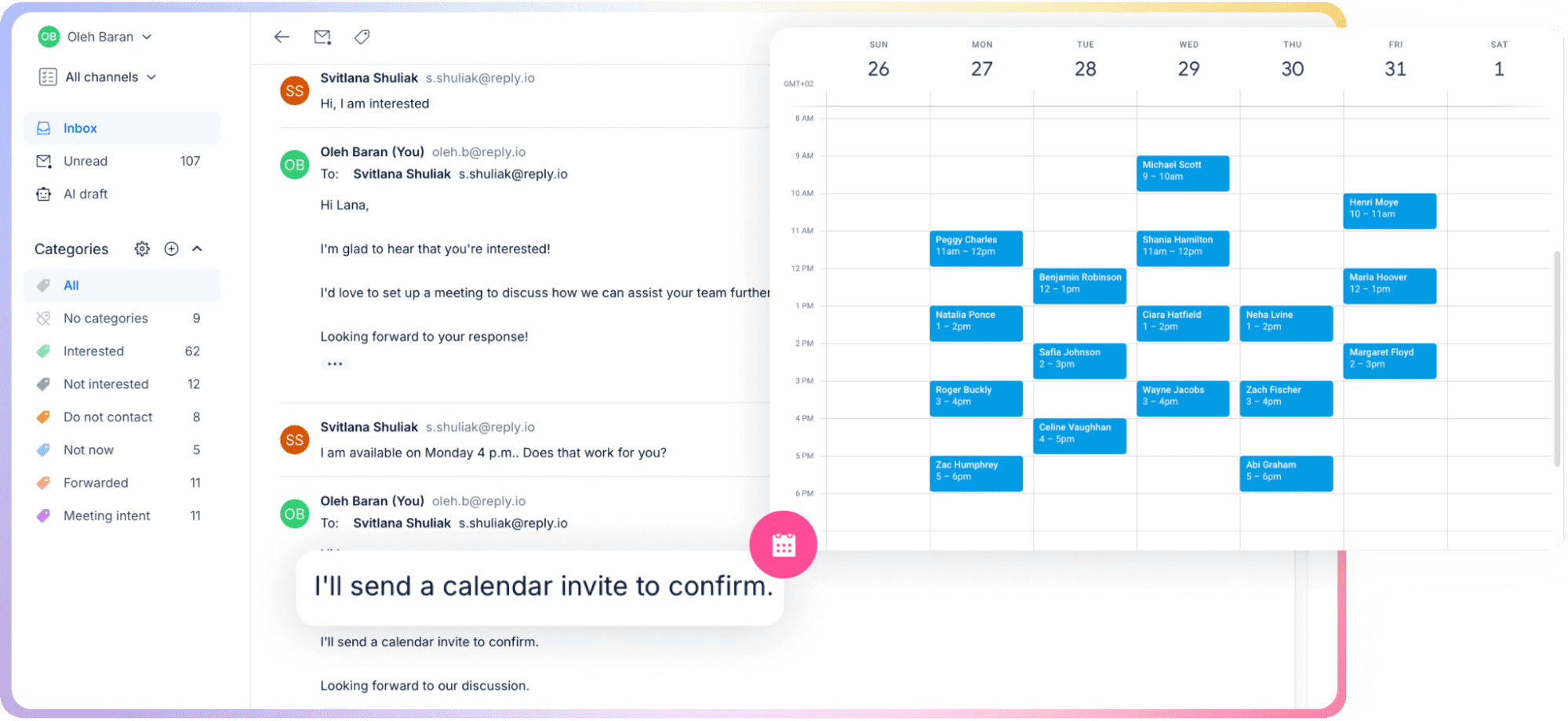
- Handle replies quickly, answer objections, re-engage quiet prospects, have ready nurture sequences, and make it easy for the leads to book meetings.
- Measure quality at every stage, from data and replies to meetings, opportunities, and revenue.
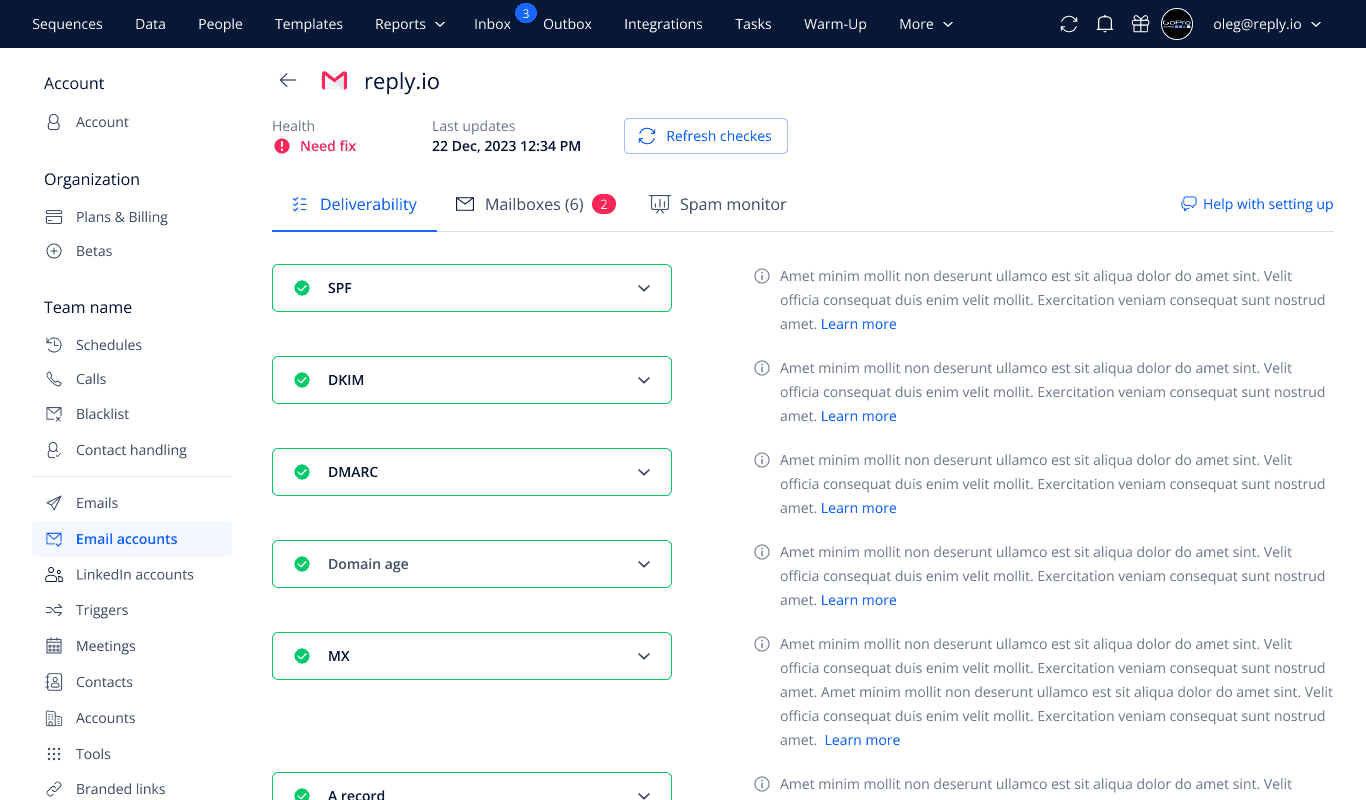
Reply.io gives you the entire foundation for data, lead generation, outreach, deliverability, and analytics. Jason AI is the AI sales agent that then helps execute most of that workflow on your behalf.