How to Write Your Perfect LinkedIn Connection Message [With 15+ Templates]

How to Write Your Perfect LinkedIn Connection Message [With 15+ Templates]

Key takeaways:

  1. LinkedIn connection messages have a 200-character limit for free users, 300 for premium users.
  2. LinkedIn allows only 5 personalized connection messages per month for free users; premium users have no limit.
  3. Personalizing connection messages increases acceptance and avoids LinkedIn account flags or bans.
  4. Connection requests with common points (mutual connections, events) improve chances of acceptance.
  5. Avoid sales pitches in connection messages; focus on building professional relationships first.

Is there a better way to connect with other professionals in today’s digital world than LinkedIn? 

Probably not. 

With over 800 million individual and company profiles spanning across all industries and locations, LinkedIn is the place to be for all professionals. Networking, partnering, recruiting, job hunting, selling—you name it. 

Much like traditional social platforms, you have to request a connection to begin any form of communication with the other party (think friend request for Facebook), only LinkedIn also offers the chance to send a short message along with your request, aka a connection message.  

This short connection message may very well be the difference between someone accepting or respectfully declining your request, so you gotta make it count! 

For those genuinely interested in connecting with someone on LinkedIn, we’ll explore how to craft the perfect LinkedIn connection message along with some examples for various situations. 

Quick overview of LinkedIn connection messages

The connection message on LinkedIn is a short introduction that goes along with your request to connect. At the same time, It’s your one and only chance to tip the scales in your favor with a short and personalized message mentioning why you want to connect in the first place. 
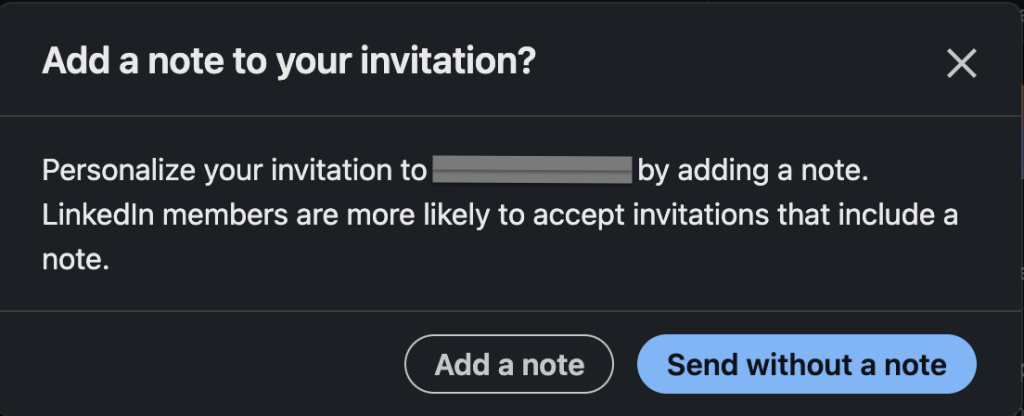
How to Write Your Perfect LinkedIn Connection Message

In 2026, the LinkedIn connection message character limit is just 200, so keep it brief, clear, and friendly.

Now sure why, but LinkedIn dropped their traditional 300-character limit that has existed since forever, and on top of that, they have recently (shockingly) added a limit of 5 personalized connection messages per month.

Premium users, on the other hand, get a slightly increased character limit of 300 characters along with an unlimited number of connection messages. Writing concise and compelling messages in a small space takes a bit of skill—similar to mastering structured formats like how to write a DBQ, where every sentence must carry weight and purpose. The same principle applies here: clarity, intent, and structure are key.

There are numerous instances when you may want to send that personalized connection message depending on who you’d like to connect with, and it could be: 

  • current or former colleagues 
  • industry peers 
  • industry thought leaders 
  • sales and marketing prospects 
  • potential partners 
  • event attendees 
  • fellow alumni 
  • potential hirees 

Until recently, LinkedIn used to provide a default message “I’d like to add you to my professional network” for each connection request which was, well, quite lazy and impersonal if you ask me. 

Nowadays, should you choose not to include a personalized message, the other person will simply receive a blank connection request. 

How to send a LinkedIn connection request message

Even though it’s a very straightforward process, here are the quick steps to send a LinkedIn connection message: 

  1. Visit the profile of the person you want to connect with; 
  2. Click on the ‘Connect’ button below their profile picture (you will also see any mutual connections there, should you have any); 
  3. Select the option to add a note; 
  4. Personalize your message following the best practices and template examples provided below;
  5. Hit ‘Send’, and you’re good to go.

Alternatively, you can choose to automate LinkedIn messaging with special outreach tools like Reply.io, especially if you often use LinkedIn for your work in sales, marketing, business development, or recruitment. 
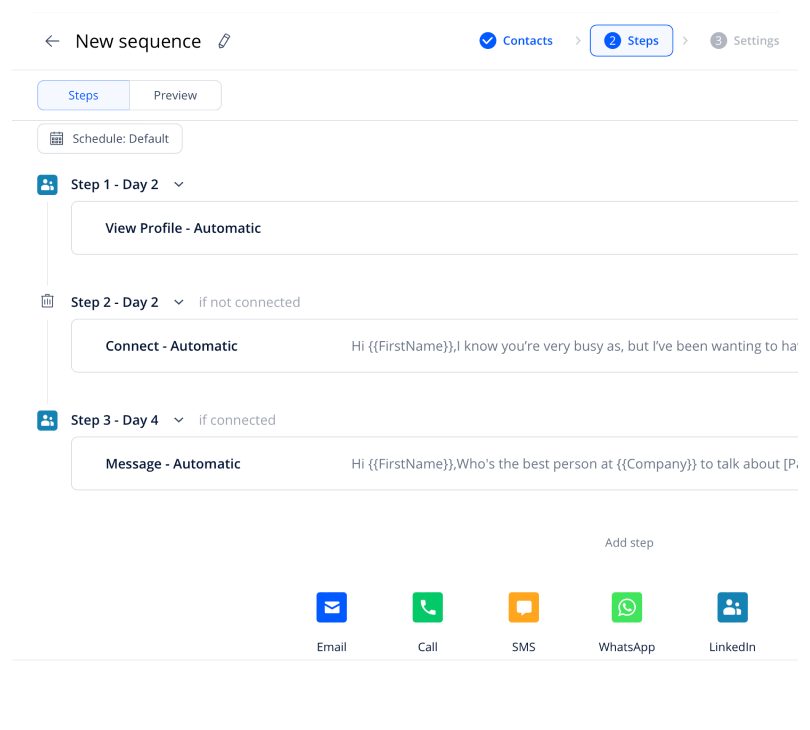
linkedin connection request message within conditional sequences on Reply

With Reply.io, users can not only automate all their LinkedIn actions (profile views, connection requests, connection messages, InMail) but also leave all the personalization to AI and supplement it with other outreach channels like email and calls.
For various reasons, you may also want to cancel a connection request, just keep in mind that once you cancel it, LinkedIn prevents you from connecting with the same person for 3 weeks.

LinkedIn connection message example for every scenario

Now that we’ve covered the basics, let’s take a look at some effective LinkedIn connection message examples for the most common scenarios where one would want to add someone to their network. 

Keep in mind that most of these templates fall within the 200-character limit, while others are slightly longer designed for premium users (or just tweak it a little bit to make it shorter). 

Mutual connection 

Scenario: You’re connecting with someone who shares a mutual connection, aka 2nd-degree connection in the LinkedIn lingo. 

Message:

Hi [Name], I see we both know [Mutual Connection]. I had the pleasure of working with [Mutual Connection] at [Company], and they spoke very highly of you. Since we’re both in [industry], I’d love to connect and see how our paths might intersect.

Mutual connection

Mutual community member 

Scenario: You’re connecting with someone who is a member of the same professional or interest-based LinkedIn community that you’re in. 

Message:

Hi [Name], I noticed we’re both part of the [Community Name] group. I’d love to connect and exchange ideas, considering we both seem passionate about [specific topic/industry focus].

Mutual community member

Why it works: Mentioning a shared community creates a sense of belonging, showing you’re connected through a mutual interest.

Networking event attendee

Scenario: You’re connecting with someone you met at a recent networking event, perhaps had a conversation with, and wish to maintain contact with. 

Message:

Hi [Name], It was great meeting you at [Event] last week. Your insights on [topic discussed] were truly eye-opening. I’d love to stay in touch and explore how we can continue the conversation. Let’s connect!

Networking event attendee

Why it works: By referencing the specific event, you show common ground, that you value the previous interaction, and are genuinely interested in maintaining contact. 

Someone you know (off work) 

Scenario: You’re connecting with someone you know personally, outside of work. LinkedIn does not have to be exclusively someone you’ve worked with or will potentially work with! 

Message: 

Hi [Name], I hope you’re doing well, it’s been a while! I’d love to connect here on LinkedIn and keep in touch professionally. Let’s stay updated on what we’ve got going on!

Someone you know (off work)

Why it works: Friendly and casual, this message builds on personal familiarity while transitioning to a slightly more professional context.

Industry leader 

Scenario: You’re connecting with someone you admire in your industry, perhaps a thought leader or someone who’s accomplished a lot in your professional realm.  

Message:

Hi [Name], I’ve been following your work in [field] for a while, and I’m particularly impressed by your recent [achievement]. It would be great to connect and learn more from your experiences.

Industry leader

Why it works: This message shows a deep appreciation for the recipient’s achievements while establishing a clear reason for connecting.

Ready to level up on LinkedIn?

Grab this hands-on Social Selling e-book and learn how to build your brand, generate leads, and close more sales on the platform with over 900 million users.

Sales prospect 

Scenario: You’re connecting with someone as a potential sales lead, first attempting to establish a connection rather than going for the pitch right away. After all, LinkedIn is a fantastic place to find targeted leads.

Message: 

Hi [Name], I came across your profile while researching companies in [industry]. I believe we have complementary goals and would love to connect and explore potential synergies.

Sales prospect

Why it works: Direct but respectful, this message immediately shows the value and purpose of the connection while offering a potential solution to their business needs. 

Collaboration/partnership proposal 

Scenario: You’re connecting with someone to propose a potential partnership or collaboration between your companies. 

Message:

Hi [Name], I’ve been impressed with [Company] for some time now. I believe there’s potential for us to create some exciting collaborations. Would love to connect and discuss opportunities!

Collaboration/partnership proposal

Why it works: It’s both personalized and professional, complementing their company’s success and showcasing an openness to create a mutually beneficial collaboration or partnership.  

Inbound marketing lead 

Scenario: You’re connecting with someone who showed some sort of interest in your company. 

Message:

Hi [Name], I noticed you’ve recently [taken action to show interest]. I’d love to stay in touch and share more insights that could be useful for [their company]. Let’s connect!

Inbound marketing lead

Why it works: It ties back to their interaction with your company or product, keeping the tone non-salesy but rather light and relevant​. 

Virtual event attendee 

Scenario: You’re connecting with someone who’s attended one of your company’s recent virtual events, which have seen skyrocketing growth over the past few years. 

Message:

Hi [Name], I noticed you attended [Event Name], hope it was informative for you! I’d love to connect and keep you updated on any other upcoming events.

Virtual event attendee

Why it works: While it’s a mere example of the previous point, it references their recent experience with your company and creates an easier bridge for further conversation. 

LinkedIn post author

Scenario: You’re connecting with someone who wrote an insightful post that really resonated with you or taught you something valuable. 

Message:

Hi [Name], I just read your post on [topic] and found your perspective fascinating, especially your thoughts on [specific part]. I’d love to connect and exchange ideas on [related topic].

LinkedIn post author

Why it works: This example is highly personalized, acknowledging their content while offering a solid reason to keep the conversation going.

LinkedIn post reaction 

Scenario: You’re connecting with someone who reacted to your post, perhaps by leaving an insightful comment. 

Message:

Hi [Name], I noticed your comment on my recent post on [topic], and I really appreciate it! I’d love to connect and keep in touch for more discussions around [topic/industry].

LinkedIn post reaction

Why it works: Quite straightforward, this message acknowledges the interaction and opens the door to continued engagement.

Current colleague 

Scenario: You’re connecting with someone who currently works at the same company. (Seems like a no-brainer, but there are countless companies with several thousand of workers) 

Message:

Hi [Name], I realized we both work at [Company] and haven’t connected on LinkedIn yet! It’s always good to stay connected professionally, especially since we’re part of the same team.

Current colleague

Why it works: It’s simple and professional, leveraging the existing workplace relationship to encourage a connection.

Former colleague 

Scenario: You’re connecting with someone you worked with before, but didn’t have the opportunity to connect on LinkedIn in the past. 

Message:

Hi [Name], It’s been a while since we worked together at [Company], but I always appreciated your approach to [specific work project]. I’d love to catch up and hear what you’ve been up to since!”

Former colleague

Why it works: The message is nostalgic and specific, referencing a shared experience while showing genuine interest in reconnecting.

Former alumni 

Scenario: You’re connecting with someone who attended the same school or university.

Message:

Hi [Name], as a fellow [College] alum (go [mascot/team]!), I’d love to connect and see how our paths may intersect in the future.

Former alumni

Why it works: Shared school ties create an instant bond, and it opens the door to sharing professional experiences post-graduation.

Suggested by LinkedIn 

Scenario: You’re connecting with someone recommended by LinkedIn’s connection suggestions.

Message:

Hi [Name], LinkedIn suggested we connect, and I see we share a background in [industry]. I’d love to connect and explore how we can collaborate or exchange ideas.

Suggested by LinkedIn

Why it works: Referring to LinkedIn’s suggestion feels natural and highlights shared professional interests, making it easy for the person to accept the connection.

If you’re doing outreach at scale, the biggest advantage of AI software isn’t just automation, but also lead targeting, enriched context for personalization, and coordination with emails and follow-ups. 

Reply.io launches multichannel outreach campaigns for each unique lead, leveraging automated LinkedIn touchpoints (connection requests, connection messages, profile views, voice messages, etc.), emails and follow-ups, WhatsApp, SMS, and calls. Its native lead database helps teams find targeted leads, along with their LinkedIn URLs, verified emails, and additional researched context, and then its AI engine uses all that to personalize every email, follow-up, and LinkedIn connection message.

Job seeker 

Scenario: You’re connecting with a recruiter regarding a potential job opening you noticed.

Message:

Hi [Name], I saw you’re recruiting for [specific position] at [Company]. With my [years of experience] in [field], I believe my skills could be a great fit. I’d love to connect and learn more about the role and how I might contribute.

Job seeker

Why it works: Job hunting is never easy. This message is specific to the job opening and highlights your potential value right from the get-go. 

Recruiter 

Scenario: You’re a recruiter reaching out to a potential candidate for one of your open positions. 

Message:

Hi [Name], your previous experience at [Company] and focus on [Topic of expertise] caught my eye. We’re currently seeking someone with your background for an exciting opportunity at [Company]. Let’s connect!

Recruiter

Why it works: It’s tailored to the candidate’s experience and presents a clear and exciting potential opportunity for them. 

All in all, a well-crafted and personalized LinkedIn connection request message template can greatly increase your chances of other professionals adding you to their network, especially considering that the majority of all other requests are simply blank. 

Crafting the best LinkedIn connection request message

You might think, well what’s the point of bothering with personalizing my connection messages rather than simply blasting out blank requests? 

The answer is quite simple. After a certain number of people deny your connection requests, LinkedIn will automatically flag this activity, leading to some sort of punishment like a temporary ban.  

So if you want to sustainably build up your social selling efforts, it’s crucial to build meaningful connections with other professionals rather than simply adding as many people to your network as possible (on top of consistently staying active on the platform, of course). 

When creating your own LinkedIn connection request message template, there are only a few straightforward rules to follow, given the tight 200-character limit: 

  • Avoid general messages → if you’re thinking of mass-using a general message similar to LinkedIn’s default “I’d like to add you to my professional network”, honestly, better to leave it blank! It shouldn’t take more than a minute or two to create a short personalized note that would show the other person you genuinely want to connect with them, whereas a general blanket statement will do the exact opposite. 
  • Personalize, personalize, personalize → regardless of why you’re adding them to your connections, personalizing not only shows you took time to get to know them but is also a great opportunity to leverage some common ground points—mutual connection, same industry, a conference you both attended, etc. 
  • Keep things professional → despite being a social network networking platform, LinkedIn is designed for professionals and businesses. So while it’s definitely not necessary to keep the same formality level as one would in an email, it’s important to stay professional and classy at all times without crossing the line of casual informality, unless it’s a friend of yours, that is. 

Best practices for business communication 

On top of the above-mentioned 3 best practices which should always be applicable, these are several extra points to consider if your LinkedIn connection is for sales, marketing, or partnership purposes:  

Target the right audience

The mass-sending approach that some sales and marketing teams may use in email outreach is not for LinkedIn. 

In B2B, for instance, LinkedIn is best used for account-based sales and account-based marketing by connecting with targeted decision-makers or leveraging Sales Navigator’s numerous search filters to create hyper-targeted prospect lists. The point is, with LinkedIn, it’s good practice to put quality over quantity when it comes to business outreach.

Avoid pitching

If the purpose of your connection is to potentially make a sale or secure a partnership/collaboration—the short, 200-character connection message just isn’t the time and place to make your pitch. 

Instead, the goal should be to build some rapport and connect as professionals, and should they accept your request—you can attempt to go for your proposal to see if there’s a mutually beneficial opportunity there.  

Leverage automation

Connecting LinkedIn to an AI outreach tool like Reply.io can automate and personalize your connection messages at scale, all while tracking performance, analyzing what messages get the best results, and last but not least—supplementing them with other channels like email, calls, WhatsApp, and SMS.  

Since the addition of LinkedIn back in 2020, we’ve significantly ramped up the features Reply.io users can enjoy such as AI personalization, conditional sequences, and much more.

How to tailor your LinkedIn connection message for different industries and roles

It goes without saying that a good LinkedIn connection message should feel relevant to the person getting it. While general greetings may work, most professionals are busy and prefer to know who you are and why you’re reaching out from the get-go. 

Sales leaders usually care about pipeline and growth, marketers think about positioning and campaigns, and engineers tend to respond better to technical relevance than vague networking talk. The goal is not to cram industry language into every note, but to make the connect message feel like it actually belongs in their world.

Tone matters here too — senior leaders usually respond better to short, respectful wording, while peer-level or more creative outreach can be a little more conversational. If you’re figuring out how to write a LinkedIn connection request, this is one of the simplest ways to improve acceptance rates: keep the structure clean, but adjust the wording based on the person’s role, seniority, and priorities.

How to handle replies and objections after your LinkedIn connection request

Sending the request is only the first step. Some people will accept and say nothing, some will ask for more context, and some will push back if the message feels too salesy. A good follow-up should always stay professional, brief, and useful.

If someone accepts but does not reply, a short thank-you and one relevant next step is usually enough. If they ask what the connection is about, answer plainly and keep it brief. And if there is pushback, don’t force it. 

A clear, respectful reply will usually land better than trying to persuade them into a conversation, and this is something many overlook when learning how to write a LinkedIn connection request that leads to actual conversations instead of just accepted requests.

How to optimize your LinkedIn profile to support your connection message

Even a strong LinkedIn connection message can fall flat if the profile behind it looks incomplete or unclear. Before accepting a request, a lot of people will check your photo, headline, recent activity, and the “About” section to decide whether the connection feels relevant.

That’s why your profile needs to support the same message your outreach is sending. A clear headline, a credible summary, and visible social proof make it easier for someone to trust the request, and therefore more likely to actually respond. This also matters if you’re figuring out how to send message with connection request on LinkedIn in a way that feels natural. The message may knock on their door, but it’s your profile that usually gets it opened.

Leveraging the powers of LinkedIn

LinkedIn truly is a gold mine of networking and business opportunities in our increasingly digital world, so if you’re not actively using it to further propel your career—it’s never too late to start! 

Keep in mind that LinkedIn is built on the foundation of professionalism and authenticity, so make sure to take a minute or two to craft that short personalized message when sending a connection request. 

Building meaningful professional relationships online is not easy, but following the above-mentioned best practices and templates will significantly increase your chances of growing your network. 

Who knows, one of your network connections could very well turn into a grand business venture one day!

FAQs

What is a LinkedIn networking message and why is it important?

A LinkedIn networking message is a short note you send when requesting to connect. It helps make a good first impression. A personal message increases the chance your request is accepted. It shows you genuinely want to connect, which builds trust.

How can I make my LinkedIn connection message stand out?

Keep it brief, clear, and friendly. Mention how you know the person, or why you want to connect. Avoid generic phrases. Showing you took time to write a unique note makes your message memorable and meaningful.

What is the best way to connect on LinkedIn with a message?

Visit their profile, click Connect, and choose Add a note. Write a short, personal message explaining why you want to connect. Be polite and professional. This approach is respectful and increases acceptance.

What should I say in a LinkedIn connection request to get a reply?

Say who you are and find common ground, like mutual connections or shared interests. Keep it conversational and avoid sales pitches. Showing interest in their work or ideas encourages more replies.

How do I message someone on LinkedIn to connect without seeming pushy?

Keep the tone friendly and genuine. Don’t sell right away. Focus on building a relationship first. Avoid long messages or too much detail. A polite introduction works best.

Can LinkedIn offer suggestions on what to say in a connection request?

LinkedIn suggests people you may know or want to connect with, but personalized messages work better. Using their suggestions naturally in your message helps start conversations and shows you researched them.

How often can I send personalized LinkedIn networking messages?

LinkedIn limits free users to five personalized connection messages per month. Premium users can send more. It’s better to focus on quality over quantity in your messages.

Should I automate how to connect on LinkedIn with a message?

Automating can save time but risks losing personal touch. Using smart tools with AI personalization helps you scale messages while keeping them relevant and respectful.

What kind of content works best for a LinkedIn connection message?

Short, relevant comments about their work or shared interests work well. You can mention events, groups, or mutual contacts. Personalize each message to build trust and interest.

What should I avoid when figuring out how to message someone on LinkedIn to connect?

Avoid generic or too salesy messages. Don’t send long paragraphs or multiple requests if ignored. Stay professional and do not pressure the other person. Respect their choice to accept or decline.

Subscribe to our blog to receive the latest updates from the world of sales and marketing.
Stay up to date.

Related Articles

How to Use Reply.io + Jason for Lead Generation for Software Companies in 2026

How to Use Reply.io + Jason for Lead Generation for Software Companies in 2026

How to Use Reply.io + Jason for Lead Generation for Software Companies in 2026
Top 12 GTM Outbound Sales Platforms to Try in 2026

Top 12 GTM Outbound Sales Platforms to Try in 2026

Top 12 GTM Outbound Sales Platforms to Try in 2026
How to Use Reply.io + Jason for B2B Demand Generation in 2026

How to Use Reply.io + Jason for B2B Demand Generation in 2026

How to Use Reply.io + Jason for B2B Demand Generation in 2026