Enterprise go-to-market teams are under more pressure than ever to effectively attract buyers without scaling headcount at the same rate. That’s exactly why AI outbound sales has moved way past simple mass email generation and into actual multi-step execution.
In 2026, the best enterprise AI outbound engines connect account targeting, buying signals, multichannel outreach, reply handling, and workflow optimization into one cohesive system that helps GTM teams run outbound faster, cleaner, and with a lot more operational control.
What is an AI outbound engine?
Let’s start with the basics.
An AI outbound engine is a coordinated system that helps sales teams generate leads and engage with prospects at scale. Instead of stitching together multiple separate tools for list building, message writing, sequencing, scheduling, and so on, it connects all of those steps into one repeatable workflow.
In practice, that means using AI and automation to find the right accounts, prioritize the right people, personalize outreach, manage multichannel sequences, and turn qualified interest into meetings — all running like clockwork.
This way, your team will have a scalable AI engine that runs all the operational work and hands over qualified leads, while your team keeps their focus on strategy, discovery, stakeholder mapping, and closing.
We will explore how to build and run an AI outbound engine shortly, but first, it’s important to understand the main elements at play here:
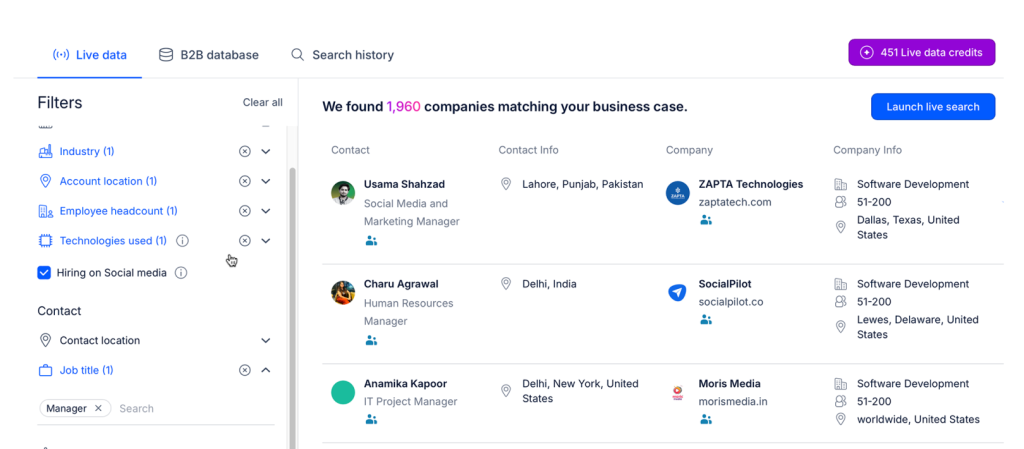
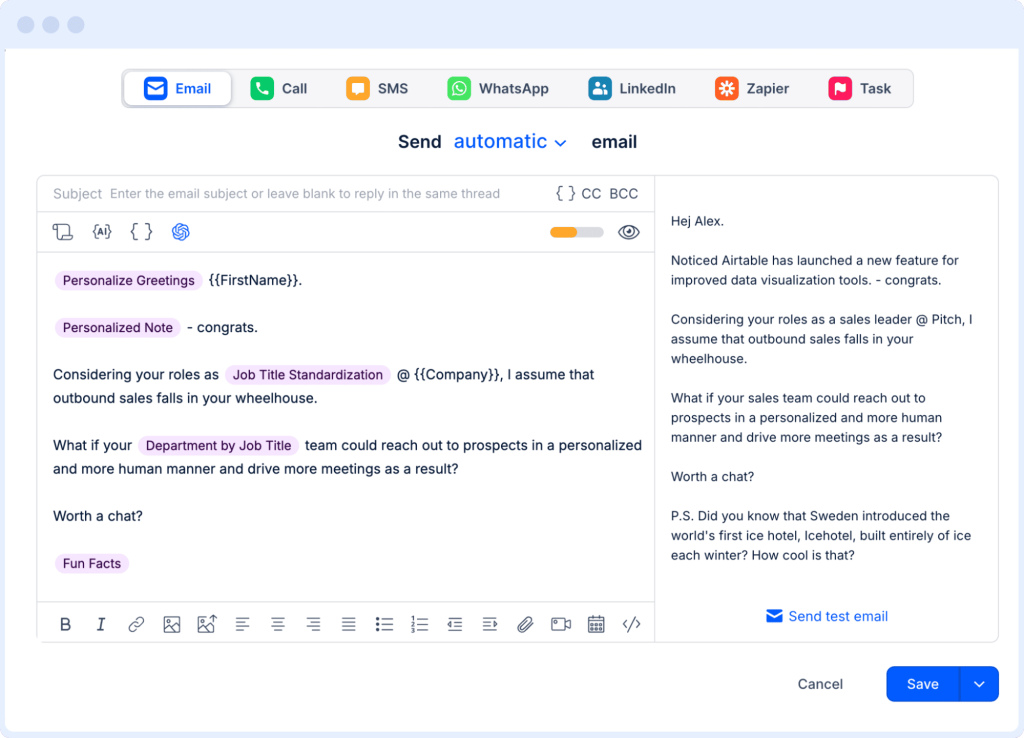
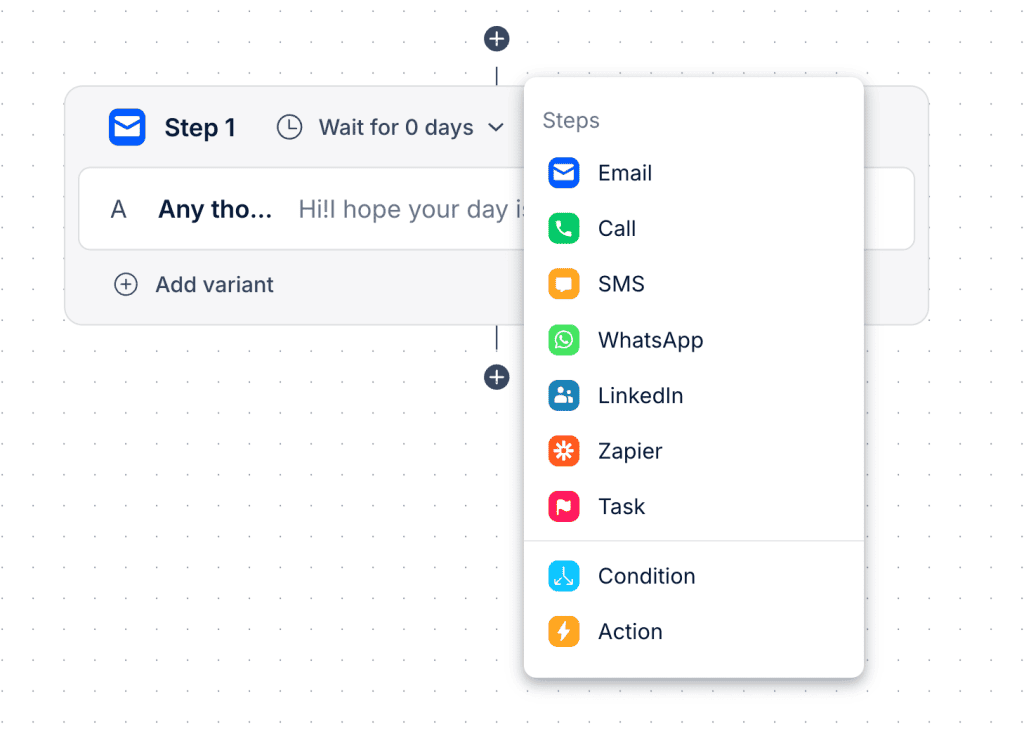
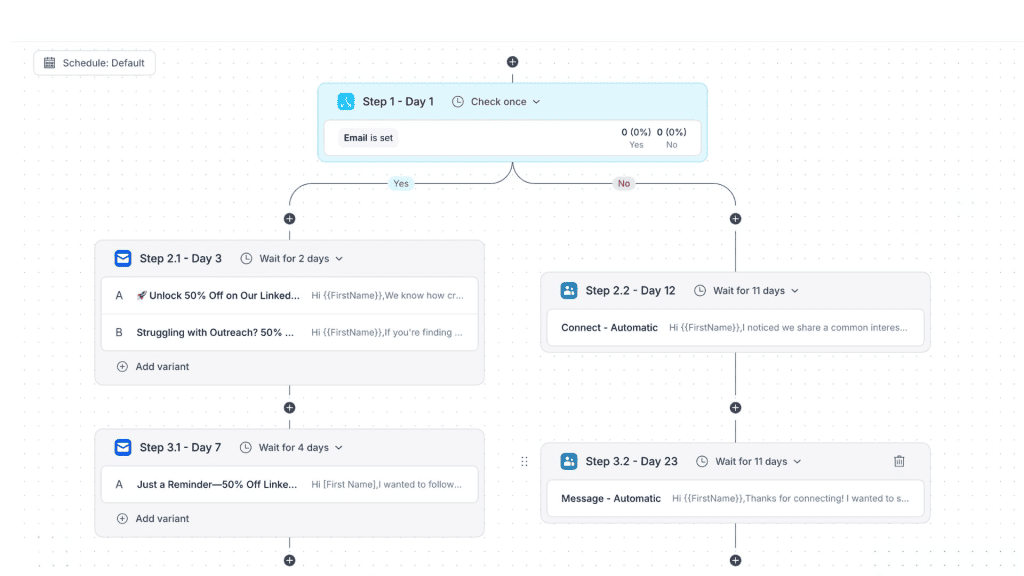
- At the core of any effective system, GTM teams need a solid, AI-powered sales automation platform like Reply.io. This is where teams find new potential accounts and buyers, launch their multichannel outbound campaigns, set up their email deliverability infrastructure, and work with performance analytics.
- On top of that, those teams that are looking to take it one step forward will also add standalone AI agents to the mix. Most notably, an AI sales agent like Jason AI can join your team and actually execute much of your entire outbound workflow — finding and researching buyers, launching outreach, personalizing messages, and even handling replies, all on your behalf.
- Then you can optionally add other agents like AI chatbots, AI web scrapers (for extra client and company research), and so on, all feeding data into your AI outbound system.
And once you add your team to the mix — allocating exactly what tasks are automated by the sales automation platform, what tasks are autonomously handled by an AI agent, and how qualified leads are handed over to human reps for closing — that’s when your system is battle-ready.